

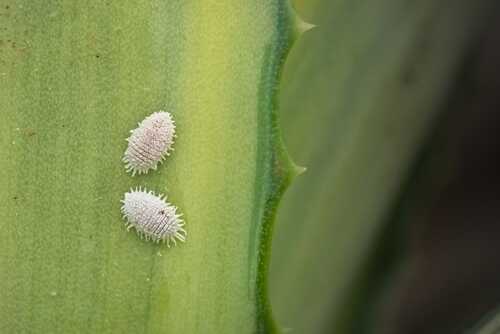
An invasive pasture mealybug, never before seen in North America, now ravages over 20 Texas counties, endangering the beef and hay that anchor America’s food security.
Story Snapshot
- Invasive pasture mealybug confirmed in more than 20 Texas counties, first ever in North America, attacking vital pasture grasses.
- Pest feeds at soil level, causing dieback that killed millions of acres in Australia, now threatening Texas livestock forage and hay production.
- Texas Department of Agriculture, Texas A&M AgriLife Extension, and USDA APHIS launch joint emergency response with producer vigilance calls.
- Texas, top U.S. cattle state, faces risks to grazing capacity, meat supply chains, and rural economies from this unchecked invader.
Pest Origin and Spread
Texas officials confirmed the pasture mealybug outbreak across more than 20 counties by late 2025. First described in Australia in 1928, this insect devastated millions of acres there through pasture dieback. It feeds at the soil level and inside plant tissues of grasses, weakening roots and crowns to cause patchy death. Texas producers reported unexplained dying pastures starting in 2024, leading to diagnostics by extension specialists. No prior North American records heighten containment challenges in the state’s warm climate.
Watch;
Threat to Texas Livestock Backbone
Texas ranks as the nation’s largest cattle producer, relying on rangeland, improved pastures, and hay for cow-calf and stocker operations. Livestock consume over 90 percent of state-grown corn, linking forage health to feed grain markets. Mealybug damage reduces grazing availability and hay yields, forcing producers to cut stocking rates, relocate herds, or buy supplemental feed. This raises costs and squeezes profit margins in an industry vital to national beef supplies and rural prosperity.
Official Response and Producer Role
The Texas Department of Agriculture coordinates with Texas A&M AgriLife Extension and USDA APHIS on surveillance, mapping, and management strategies. AgriLife provides entomology expertise for identification and control recommendations. Officials urge every producer to scout fields, quoting the need for eyes on the ground to report suspicious dieback or insects. No quarantines announced yet, but joint efforts assess host range and options like chemical or biological controls to curb spread.
Agricultural groups emphasize livestock-crop interconnections, as seen in prior USDA screwworm responses framing pests as direct attacks on Texas farming. President Trump’s administration prioritizes rural strength, investing in biotech and biosecurity to shield producers from such foreign invaders that slip through weak global trade gaps.
Invasive pest never before seen in North America threatens Texas food supply, officials warn https://t.co/rWZdebP4EM
— Fox News (@FoxNews) December 12, 2025
Economic and Supply Chain Risks
Short-term, affected pastures mean immediate forage shortages, prompting herd adjustments and higher feed expenses. Long-term, widespread establishment could shrink Texas grazing capacity, trigger herd liquidations, and ripple to meat prices nationwide. Rural communities face revenue hits, with calls likely for research funding, disaster aid, and stricter plant inspections at borders. This underscores needs for robust defenses against invasives that undermine food independence and hardworking ranchers.
Sources:
Invasive pest never before seen in North America threatens Texas food supply, officials warn
USDA Announces Sweeping Plans to Protect the United States from New World Screwworm
Invasive pest never before seen in North America threatens Texas food supply, officials warn