

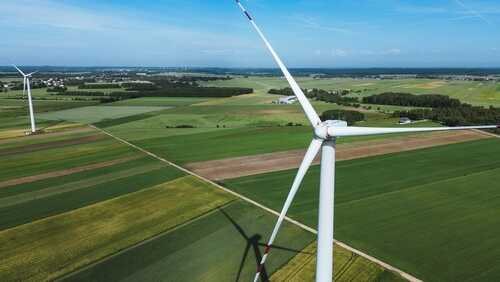
Germany’s electricity grid fees have more than doubled in the past decade—a direct result of their aggressive green energy transition.
At a Glance
- Germany’s grid fees soared from €15.9 billion in 2015 to €33 billion in 2024.
- Consumers are shouldering the skyrocketing costs of renewable energy integration.
- Regulatory changes may soon require electricity producers to share in the grid costs.
- Debate rages on whether the transition is economically sustainable.
Germany’s Expensive Green Transition
Germany’s ambitious energy transition, known as Energiewende, started in the early 2000s with the goal of shifting away from fossil fuels and nuclear power toward renewable energy sources like wind and solar. This shift accelerated post-2011 after the Fukushima disaster when Germany committed to phasing out nuclear power entirely by 2022. This policy required significant upgrades to an electricity grid that was originally designed for centralized, conventional power plants. The transition to decentralized and fluctuating renewable sources has driven up grid costs significantly.
The cost to upgrade and maintain the grid to accommodate these renewable sources has been astronomical. In 2015, grid fees for consumers and businesses totaled €15.9 billion. By 2024, these fees more than doubled to €33 billion, largely due to the necessary investments in grid modernization and the pressures from the loss of Russian gas supplies. As Germany phased out its final nuclear plants in 2022, the grid’s reliance on renewables increased, further straining the system and driving up costs.
German Green Agenda Saw Electric Grid Costs Double over Past Decade#greenshit
https://t.co/feK0bQqYf8 via @BreitbartNews— Elena (@helen44767171) July 21, 2025
Stakeholders and the Political Landscape
Key players in this unfolding drama include the Federal Network Agency (BNetzA), which sets grid fee rules, and the transmission grid operators who maintain and expand the grid infrastructure while passing costs onto consumers. The German government, as the policy driver of Energiewende, faces significant political risk as these rising costs affect consumers and businesses. While renewable energy producers benefit from the grid expansion, they remain exempt from grid fees—a situation that may change as regulatory reforms are considered.
Critics, like Sahra Wagenknecht of the BSW party, have called the fee increases “unacceptable” and a “failure of energy policy,” advocating for a state takeover of the grid. Klaus Müller, President of BNetzA, has emphasized the need for reform to address these challenges and distribute costs more fairly. The debate over whether these energy policies are economically viable continues to heat up, with growing calls for relief measures and structural reforms to ease the burden on consumers.
Economic and Social Implications
The impact of these rising costs is acutely felt by consumers and businesses, who now face higher energy bills with grid fees constituting a significant portion of electricity costs—over a quarter of the bill. Regions like Eastern Germany are particularly affected by higher increases in gas grid fees, exacerbating regional disparities. This has led to political pressure for relief measures, with energy poverty becoming a real concern for low-income households.
In the long term, high energy costs threaten Germany’s economic competitiveness, potentially eroding its industrial base and global standing. The renewable sector, while currently benefiting from the grid expansion, may face new charges if reforms pass, affecting investment incentives. Utilities must balance the need for grid stability against these cost pressures and looming regulatory changes.