South Korea just put Seoul under its first-ever severe heatwave warning, a stark reminder of how fragile modern cities can be when basic infrastructure and common-sense planning are pushed to the limit.
Story Snapshot
- Seoul received its first severe heatwave warning under a newly overhauled alert system.
- The new top-tier warning can be triggered in a single day when “feels-like” temperatures hit deadly levels.
- Authorities are telling people to stop outdoor work and crowd into government-run cooling shelters.
- South Korea’s record-breaking heat exposes how global energy and climate policies affect everyday families.
Seoul Hit With First-Ever Severe Heatwave Warning
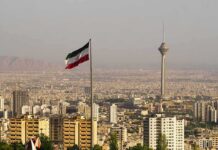
South Korea’s weather agency, the Korea Meteorological Administration, issued a severe heatwave warning for parts of Seoul for the first time since the new category was created this year. Officials said some districts had already seen two straight days where the apparent, or “feels-like,” temperature reached 35 degrees Celsius, with forecasts as high as 38 degrees from late Tuesday morning. The alert covers the capital’s dense urban neighborhoods, home to nearly nine million people, where heat builds up and is slow to escape.
The severe warning is part of a broader overhaul of South Korea’s heat alert system, the first major change in nearly two decades. The system now has three stages: heatwave advisory, heatwave warning, and severe heatwave warning, all based on perceived temperature rather than the air reading alone. That “feels-like” number reflects humidity, wind, and sun exposure, factors that make the same thermometer value much more dangerous for outdoor workers, children, and the elderly.
New Top-Tier Alert Designed For One-Day Extreme Spikes
Under the revised rules, the severe heatwave warning is the top tier and can be issued even if extreme heat lasts only a single day. Weather officials can trigger it when the daily maximum perceived temperature is forecast to reach 38 degrees or when the actual air temperature hits 39 degrees Celsius. This change means authorities no longer wait for several days of misery before acting, a shift driven by recent summers where temperatures have suddenly spiked toward the 40-degree mark with deadly results.
Earlier this season, the same severe alert was activated for southern cities like Gyeongsan and Pohang after temperatures neared 40 degrees and dozens of people sought medical care for heat illness. National media described these conditions as a real threat even to healthy people, not just the very old or sick. Officials now stress that a severe warning signals life-threatening heat, urging everyone to halt outdoor activity, avoid vehicles, and move to cool shelters as soon as possible.
Government Response: Cooling Shelters And Work Restrictions
With the new warning in place for Seoul, authorities are calling for outdoor activities and work to be halted or delayed wherever possible. The Korea Meteorological Administration’s guidance tells residents to move into air-conditioned buildings or designated heat relief shelters, and to check on family members, neighbors, and pets who may be trapped in hot cars or small apartments. The city has also expanded its heatwave support rooms and opened more public cooling centers to handle the influx of people seeking relief.
🇰🇷 South Korea's weather agency issued a "severe heatwave warning" for Seoul on Monday, the first such advisory since introducing the designation this year to alert the public about extreme temperatures.
➡️ https://t.co/oNHtICpUkm pic.twitter.com/ilEhbFoG2e— AFP News Agency (@AFP) August 3, 2026
South Korea’s leaders say these steps are needed because heatwaves have become longer, more intense, and less predictable in recent years. Researchers have tied the rise in extreme heat to broader global trends, including heavy urban development and worldwide climate policies that strain energy supplies while pushing systems to rely on less reliable power sources. For families, that means they depend even more on strong grids, affordable electricity, and clear local planning when facing heat that can turn deadly in hours, not days.
Record-Breaking Heat Shows Global Stakes For Everyday Families
South Korea recently recorded its highest-ever temperature, 42.5 degrees Celsius, in the southeastern city of Yangsan, underscoring how fast conditions can escalate. On that day and the days around it, more than twenty localities fell under emergency or severe heat alerts, and national disaster teams urged people to stop outdoor work immediately. Those warnings echo a simple reality: when governments ignore basic resilience, or chase “green” headlines without protecting grids and water systems, regular people pay the price first.
For American readers, Seoul’s experience is a reminder not to take reliable power, sane spending, and local control for granted. When temperatures soar, families need affordable air conditioning, not rolling blackouts and excuses from distant bureaucrats. They need clear, honest alerts based on real risk, not politicized climate messaging. As other nations scramble to redesign their systems after heat-driven crises, President Trump’s focus on energy independence, secure infrastructure, and national sovereignty stands out as the path that keeps American communities safer when nature turns harsh.
Sources:
insiderpaper.com, today.rtl.lu, english.seoul.go.kr, chosun.com, reuters.com, biz.chosun.com, youtube.com, en.yna.co.kr