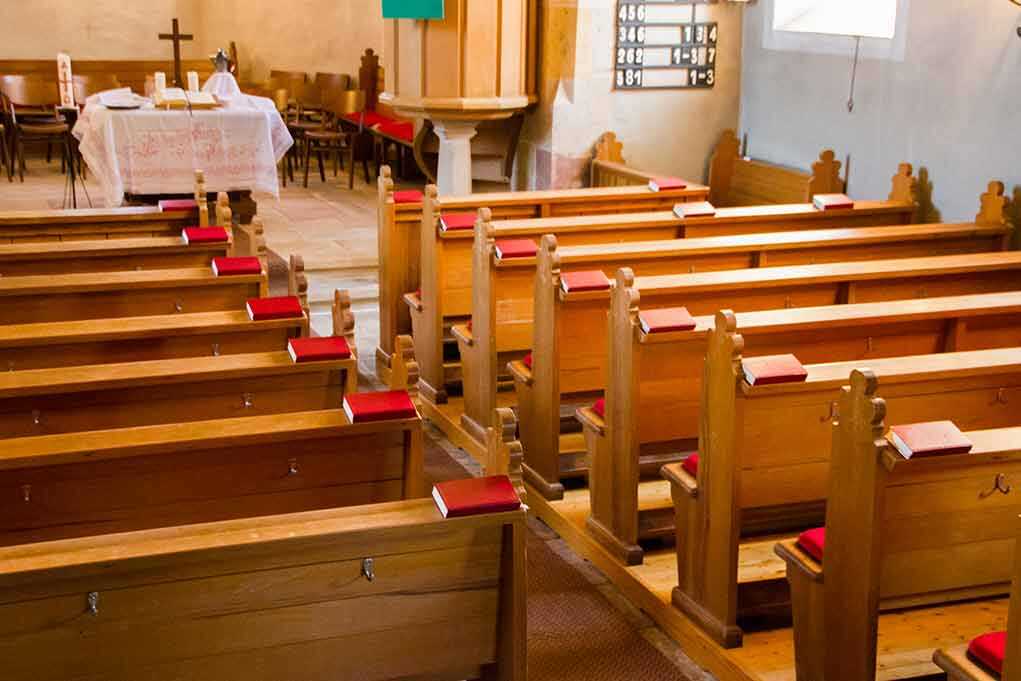
A new Rhode Island bishop is rolling out pro-LGBTQ-focused Masses and parish “listening sessions,” raising hard questions about how far Catholic outreach can go without bending Church teaching.
Story Snapshot
- A newly installed Providence bishop plans LGBTQ-focused Masses and listening sessions at local parishes.
- He says “Jesus’s love is available to everybody” and calls the Church “a welcome place” for all.
- His outreach follows years of local tension over Pride events and Catholic teaching on sexuality.
- Many faithful worry “inclusive” language could slide into support for agendas that clash with doctrine.
Bishop Lewandowski’s LGBTQ Outreach Plan
New Providence Bishop Bruce Lewandowski has begun his term by stressing outreach and listening, including plans for parish consultations and special events that would include LGBTQ-focused Masses and listening sessions across Rhode Island. He describes his vision in simple terms: he wants people to know that “Jesus’s love is available to everybody” and that the Catholic Church “is a welcome place” where all are invited to meet the Lord, including those who identify as LGBTQ. These steps are presented as pastoral care within the Church, not as a formal change to doctrine.
During interviews, Lewandowski has linked this outreach to a broader push for evangelization, saying he is “knocking on doors” to invite people to experience Jesus by the witness Catholics give with their lives. He repeats the same image in homilies, calling the Church to “knock on the doors of people’s hearts” by leaving comfort zones and engaging those on the margins. His message is that outreach, even to groups that raise moral questions, should start with personal contact, listening, and clear invitation to faith.
A Diocese With a History of LGBTQ Tension
The Diocese of Providence has wrestled with LGBTQ issues for decades, which makes the new outreach especially sensitive. In the mid-1980s, a prior bishop opposed a city ordinance that added protections for LGBTQ residents, arguing that homosexual acts were contrary to Catholic teaching. More recently, a Providence bishop warned Catholics not to attend Pride Month events, saying they did not fit Catholic values and might harm children, which triggered sharp backlash and public debate. Local priests then urged LGBTQ parishioners not to leave the Church, trying to keep them engaged without endorsing Pride politics.
That history matters because it shows the divide many Rhode Island Catholics feel. Some worry the Church has been too harsh in tone and want more welcome for people who struggle with sexuality or identity. Others fear that softening language about sin will invite confusion and pressure to bless same-sex unions or gender ideology. In that context, Lewandowski’s push for “welcome” and “listening” is not happening in a vacuum; it lands in a community already on edge about how to balance mercy and moral clarity.
“Knocking on Doors” and Catholic Teaching
Lewandowski’s public talks frame his entire ministry around outreach, not policy change. At his installation Mass, he said baptism calls Catholics to knock at people’s hearts by bravely sharing what Jesus has done in their lives. He promised to knock on doors to defend and protect life, to stand with immigrants, and to invite men and women to serve the Church as priests, sisters, deacons, and lay ministers. In other words, his “knocking” language covers pro-life work, social outreach, and evangelization, with LGBTQ engagement just one part of a larger pastoral agenda.
Importantly for faithful Catholics, nothing in his public remarks suggests that official teaching on marriage or sexual morality has changed. The Church still holds that marriage is between one man and one woman and that sexual acts outside that bond are sinful. Lewandowski’s emphasis is on how the Church speaks to and accompanies people, not on rewriting doctrine. For many conservatives, that distinction is key: welcome is not the same as approval, and listening should not mean surrender to activist demands. The stress point will be whether future events keep that line clear.
Listening Sessions, Parish Life, and Conservative Concerns
A parish bulletin recently described a “new one time program” for diocesan consultation with parish assemblies, set for summer or early fall, to review ministries and set direction for the coming years. These listening sessions are framed as prayerful, local conversations about how the diocese serves people and where it should focus mission work. When LGBTQ-focused events are woven into this structure, they likely will be explained as part of that broader listening effort, meant to understand needs and invite people deeper into Catholic life.
For conservative Catholics and many other traditional Christians, the concern is less about talking with anyone than about message clarity. They support real outreach, especially the call to defend life, protect families, and serve the poor. But they also know that language of “inclusion” is often used, in culture at large, to push radical gender ideology, attacks on the family, and pressure on church schools to adopt Pride-themed programs. As President Trump’s administration fights government overreach and defends religious liberty nationally, many will watch closely to see whether Rhode Island’s local church keeps a firm stand on doctrine while it opens its doors.
Sources:
lifesitenews.com, marylandmatters.org, cnn.com, bostonglobe.com