RFK Jr. launches $100 million faith-based initiative to combat addiction as a “spiritual disease,” delivering a rare win for conservative values amid frustrations with endless foreign wars and government overreach.
Story Highlights
- HHS Secretary Robert F. Kennedy Jr. announces STREETS program, funneling $100M to faith-based groups for addiction recovery targeting homelessness and mental illness.
- Kennedy credits 12-step programs and “spiritual fire” for his own recovery, emphasizing community over fragmented secular systems.
- Initiative coordinates law enforcement, housing, and health services, inspired by evidence-based Dutch models under Trump’s MAHA agenda.
- Opens funding to faith organizations meeting standards, plus $10M for Assisted Outpatient Treatment and opioid meds for at-risk families.
- Promises faster recovery paths from streets to self-sufficiency, countering urban drug crises without bloating federal bureaucracy.
Announcement Details
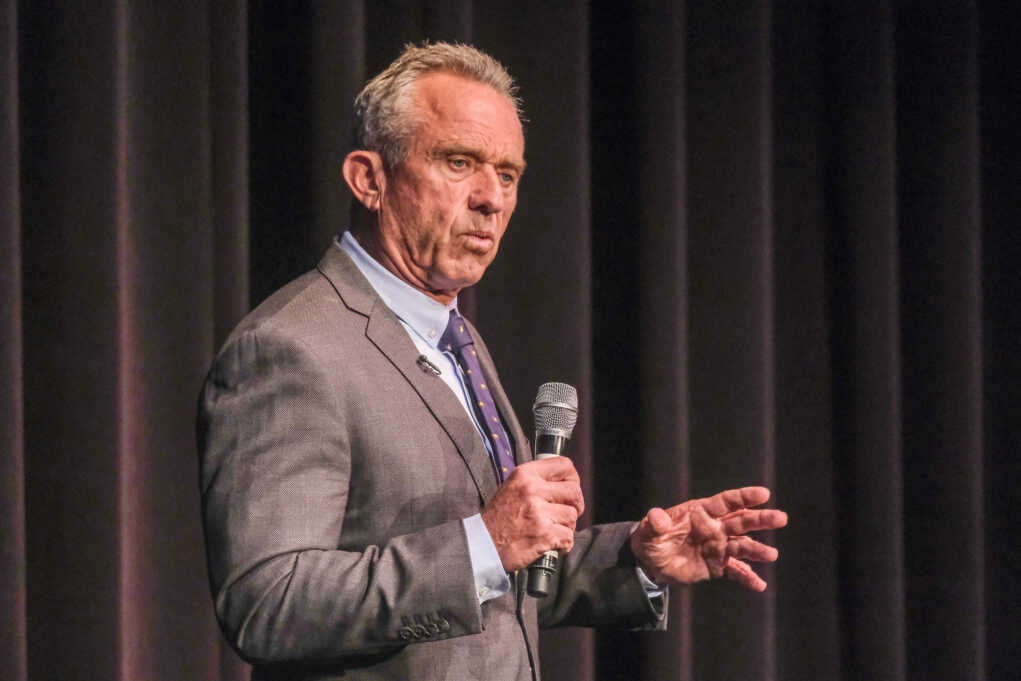
On February 2, 2026, HHS Secretary Robert F. Kennedy Jr. unveiled the Safety Through Recovery, Engagement and Evidence-Based Treatment and Supports (STREETS) initiative at SAMHSA’s Prevention Day in Washington, D.C. The $100 million program expands federal funding to faith-based organizations for addiction recovery. It targets homelessness, mental illness, and substance use disorders rampant in urban areas. Kennedy framed addiction as a “spiritual disease” needing a “spiritual fire” and reconnection to community, drawing directly from his 14-year battle with heroin overcome through 12-step programs. This approach fulfills promises from his 2024 campaign and documentary Recovering America.
Faith-Based Shift in Federal Policy
STREETS marks a departure from prior fragmented secular efforts by integrating faith-based providers who meet evidence-based standards. The program coordinates law enforcement, courts, housing, and health services to move individuals from streets to self-sufficiency and employment. It builds on historical precedents like the 1996 welfare reform’s charitable choice and Bush-era faith initiatives. Kennedy stressed faith groups’ critical role, stating they play in bringing holistic recovery. Amid over 100,000 annual overdose deaths pre-2026, this targets root causes like national malaise of loneliness and despair without expanding Big Government.
Unlike past programs, STREETS draws from Dutch Housing First protocols proven effective. It includes a $10 million Assisted Outpatient Treatment grant and 50% federal matching for opioid medications in foster care-risk cases via the Administration for Children and Families. Faith organizations can now apply for funding, gaining resources to expand community outreach. This aligns with Trump administration’s Make America Healthy Again overhaul of HHS, prioritizing non-pharmaceutical recovery paths over endless spending on failing systems.
Background and Stakeholder Roles
Kennedy’s vision stems from personal experience; he attends 12-step meetings weekly and advocated tough love during his 2024 campaign visits to drug courts and faith-based wellness farms. The Substance Abuse and Mental Health Services Administration hosted the event, signaling federal buy-in for prevention focus. Trump administration agencies like HHS, law enforcement, and courts enable multi-agency coordination. Tensions persist with blue states like California resisting federal shifts, highlighting state-federal divides after the 43-day 2025 shutdown exposed service gaps.
Fueled by Trump’s 2024 promises on addiction amid rising homelessness encampments, the initiative counters urban crises visible nationwide. Faith providers gain leverage through required evidence standards, pressuring secular ones to improve coordination. Kennedy plans a national tour of recovery sites, echoing his campaign, to gather input and build momentum.
Potential Impacts and Conservative Appeal
Short-term, STREETS enables faster outreach and housing for homeless addicts via faith partnerships, aiming to cut emergency room visits and jail cycles. Long-term, it shifts the addiction paradigm toward spiritual and community focus, potentially lowering recidivism rates. Urban poor, mentally ill individuals, and at-risk families stand to benefit most, with economic upsides from $110 million investment fostering employment pipelines. Socially, it tackles spiritual malaise without woke agendas or globalist overreach.
For conservatives frustrated with fiscal mismanagement, inflation, and unkept promises on avoiding new wars, this program resonates as common-sense governance. It empowers local faith communities over distant bureaucrats, upholding family values and individual liberty. While details remain somewhat vague, cross-verified reporting confirms its active rollout with open funding applications. This bolsters MAHA politically against resistant states, proving targeted spending can deliver results without eroding constitutional principles.
Sources:
RFK Jr. Unveils $100M Faith-Based Plan To Stem ‘Spiritual Disease’ Of Addiction
Faith-based organizations can now get funding for addiction recovery under RFK Jr.
Trump, Kennedy addiction initiative targets ‘spiritual malaise’
RFK Jr. Expands Faith-Based Addiction Care as Drug Use and Homelessness Increase
Secretary Kennedy Announces $100 Million Investment in Great American Recovery