A new policy threatens federal urban planning integrity, sparking concern among citizens.
Story Highlights
- President Trump’s unprecedented firing of the entire NCPC board raises alarms over politicization.
- The move symbolizes increased federal control over D.C., a city already under federal oversight.
- Local officials and urban planners worry about the erosion of nonpartisan governance.
- The dismissals could set a precedent for future political interventions in urban planning.
Trump’s Bold Move and Its Implications
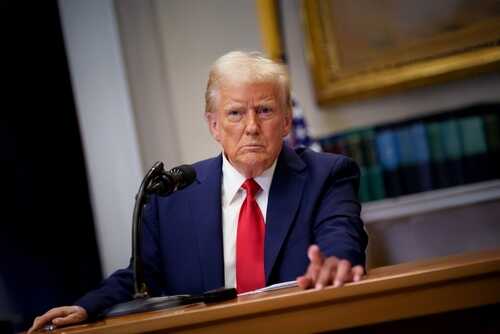
President Donald Trump took the extraordinary step of dismissing the entire board of the National Capital Planning Commission (NCPC). This federal agency plays a pivotal role in overseeing Washington, D.C.’s construction and development projects. The decision was perceived as an effort to assert greater federal control over D.C., raising significant concerns about the politicization of urban planning.
The shift in control was not merely administrative but symbolic, reflecting Trump’s broader campaign to reshape D.C.’s skyline according to his administration’s vision. Local leaders, including D.C. Mayor Muriel Bowser, expressed strong opposition, fearing that the move undermines the city’s autonomy. Urban planning experts warned that such actions might compromise the integrity and balance traditionally upheld by the NCPC.
Trump fires board that oversees D.C. construction projects, as he plans major changes to White Househttps://t.co/P2s4drOScN
— Scott MacFarlane (@MacFarlaneNews) October 29, 2025
Political and Local Reactions
The abrupt firing of the NCPC board members led to immediate backlash from both local officials and urban planners. Many viewed it as a direct attack on the nonpartisan nature of the commission, which has historically balanced federal and local interests. The replacements, selected for their perceived loyalty to Trump, sparked debates on the potential long-term impacts on D.C.’s urban landscape.
Federal-local relations in Washington, D.C., are inherently complex due to the city’s unique status as a federal district. The NCPC has long served as a mediator, ensuring that both federal interests and local needs are respected in urban development. By disrupting this balance, the Trump administration’s actions have raised fears about future politicization and the erosion of local input in decision-making processes.
Watch:
Long-term Implications for Urban Planning
The long-term consequences of Trump’s intervention in the NCPC remain uncertain. The move not only disrupted ongoing construction projects but also set a controversial precedent for federal involvement in local urban planning. With new board members possessing limited experience in urban planning, there is concern about the commission’s ability to maintain its standards of professionalism and impartiality.
Looking ahead, the potential shift in D.C.’s urban landscape underscores a broader trend of increasing federal control over local affairs. This development could influence other cities with federal interests, leading to heightened scrutiny of federal appointments and governance in urban planning. As the debate continues, stakeholders remain divided on the balance between federal efficiency and local autonomy.
Sources:
CBS News: Trump fires board that oversees D.C. construction projects
Washington Examiner: Trump fires design review panel overseeing planned ballroom
San: Trump replaces fine arts panel amid $300M ballroom project
Wall Street Journal: White House fires all Commission of Fine Arts members