

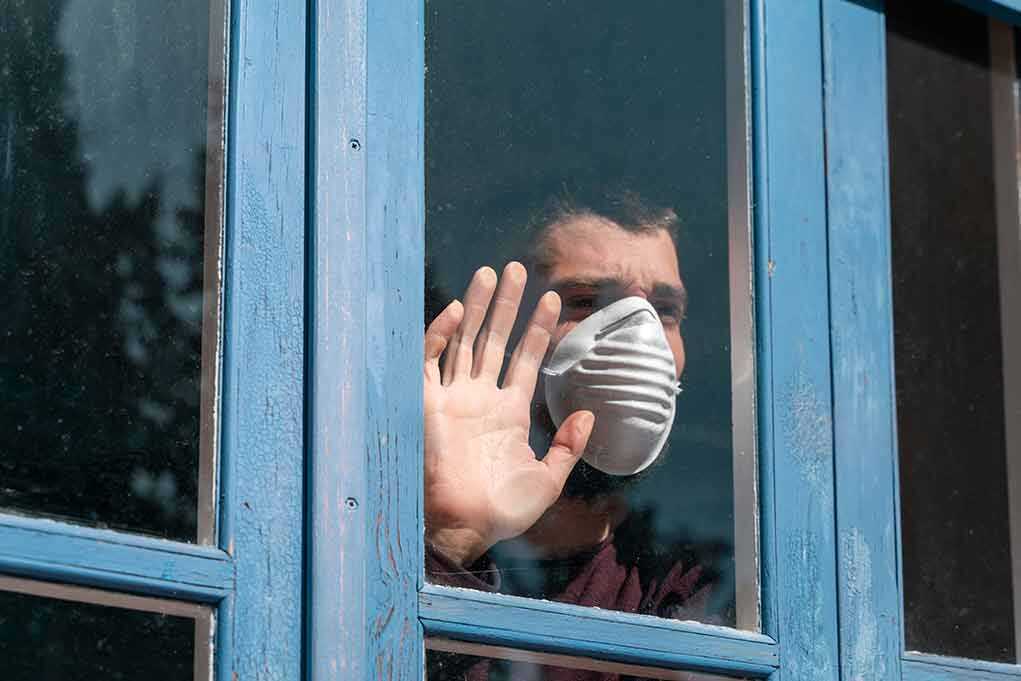
California’s health department told residents to “consider masking” indoors for the holidays, reviving memories of pandemic-era rules while offering little public data to back it up.
Story Snapshot
- California urged indoor masking for holidays but issued no statewide mandate.
- The message lumps flu, COVID-19, and RSV without showing virus-specific evidence.
- Some counties ordered masks only in high-risk medical settings.
- Public wording is vague and includes a grammar error, adding to confusion.
What California Officials Said And Did Not Show
California’s health department posted holiday guidance telling people to wear an N95 mask in indoor public places. The message claims the mask protects against flu, COVID-19, and respiratory syncytial virus. It stops short of a mandate and frames masking as a choice. The statement does not publish case counts, hospital numbers, or wastewater trends that drove the call. The wording is also clumsy, saying “especially if you are or around people at higher risk,” which clouds who the target is.
Local reports said the recommendation remained voluntary and did not require masks at Thanksgiving gatherings. That distinction matters after years of harsh rules. The post ties three different viruses to one fix but does not cite any study or expected benefit. For a statewide message, officials did not share a threshold or map of hot spots to show where risk was highest. The result feels like a broad nudge without the receipts that build trust.
How Counties Diverged: Narrow Orders In Medical Settings
County health officers acted more narrowly than the state’s broad holiday nudge. Santa Cruz ordered masks for skilled-nursing facilities and infusion centers from November through March. The rule targets places with medically fragile people, not grocery stores or churches. Sonoma issued a similar order for specified patient-care areas and urged indoor masking when local transmission runs high. These local steps focused on clear, higher-risk settings instead of the public at large.
San Mateo County described flu as high and rising, with COVID-19 still circulating and respiratory syncytial virus picking up. It recommended quality masks like N95 or KN95 in crowded indoor spaces. That local note offered context on timing and risk trends but still did not publish hospital or wastewater figures in the same post. The contrast stands out: counties tied action to vulnerable settings, while the state cast a broader, fuzzier net ahead of family holidays.
Why This Lands Poorly With Many Families
Conservative readers remember moving goalposts and blanket rules during the pandemic. Vague statewide nudges trigger the same alarms, especially when tied to holiday worship, travel, and family time. Media noted that many Californians said they are not “doing this again.” Critics argued that earlier heavy-handed steps did not stop spread, so a new round of broad advice without clear data will not win hearts or minds now. Trust needs clarity, not slogans.
The right way to protect high-risk people is targeted and honest. Publish the decision memo and the data that led to the holiday post. Show hospital trends by county and virus. Explain expected benefits of N95 use in crowded indoor places, with real numbers. Coordinate with local officers so state words match local risk. Keep facility orders where they belong and stop hinting at mandates for everyone. Families deserve straight talk, clear scope, and respect for personal choice.
Sources:
thegatewaypundit.com, yournews.com, breitbart.com, santacruzcountyca.gov, westernjournal.com, sonomacounty.gov