A former president’s conviction for coup plotting threatens to deepen Brazil’s political divides.
Story Highlights
- Brazil’s Supreme Court convicts Jair Bolsonaro of coup plotting and assassination plans.
- Bolsonaro was sentenced to 27 years, marking the first conviction of its kind for a Brazilian leader.
- The case has strained Brazil’s international relations, notably with the U.S.
- Mass protests erupt across Brazil, reflecting deep national polarization.
Bolsonaro’s Conviction and Its Historic Significance
Brazil’s Supreme Court has convicted former President Jair Bolsonaro of orchestrating a coup plot and planning the assassination of his political opponent, Luiz Inácio Lula da Silva, and a Supreme Court justice. This unprecedented conviction, reached by a majority of the five-judge panel, marks the first time a former Brazilian president has been found guilty of such charges. Bolsonaro, along with several co-defendants including high-ranking military officials, faces a lengthy prison sentence of 27 years and 3 months.
The conviction follows a series of events where Bolsonaro spread disinformation about Brazil’s voting system from 2021, culminating in his loss in the 2022 presidential election. His supporters’ subsequent storming of government buildings in Brasília in January 2023 echoed the U.S. Capitol attack, further dividing the nation. The trial, starting in August 2025, concluded with a conviction in September, illustrating the judiciary’s assertive stance against anti-democratic actions.
Watch: Brazil’s former President Jair Bolsonaro found guilty of plotting military coup | BBC News
Reactions and Implications for Brazil’s Democracy
The trial and conviction of Bolsonaro have led to significant unrest, with protests erupting across Brazil. Justice Alexandre de Moraes, a target of the assassination plot and a central figure in the trial, described Bolsonaro as “the leader of a criminal organization,” citing “overwhelming evidence” against him. The political climate remains volatile, putting Brazil’s democratic institutions to the test.
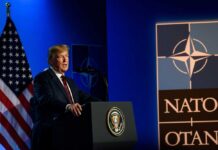
The international response has been varied, with the United States imposing sanctions and tariffs on Brazil. President Trump, a vocal supporter of Bolsonaro, denounced the trial as a “witch hunt” akin to his own legal challenges. This international dimension adds complexity to Brazil’s political landscape, as global actors watch closely how the situation develops.
Potential Long-term Effects and Concerns
The conviction and subsequent sentencing of Bolsonaro could have far-reaching effects on Brazil’s political and social fabric. Economically, U.S. tariffs and sanctions may harm Brazil’s exports and investment climate, while socially, increased polarization and unrest could further erode trust in institutions. Politically, the case sets a precedent for prosecuting former leaders and may lead to a chilling effect on political dissent. Concerns about civil-military relations and possible military discontent add another layer of complexity to Brazil’s path forward.
As Bolsonaro’s legal team plans to appeal, citing procedural concerns, the ongoing legal battles will continue to shape Brazil’s political discourse. The judiciary’s handling of the case remains under scrutiny, underscoring the importance of maintaining institutional integrity in a deeply divided nation.
Sources:
Brazil Supreme Court Forms Majority to Convict Bolsonaro of Coup
Bolsonaro Guilty, Yet His Supporters and President Donald Trump Will Feel Vindicated