
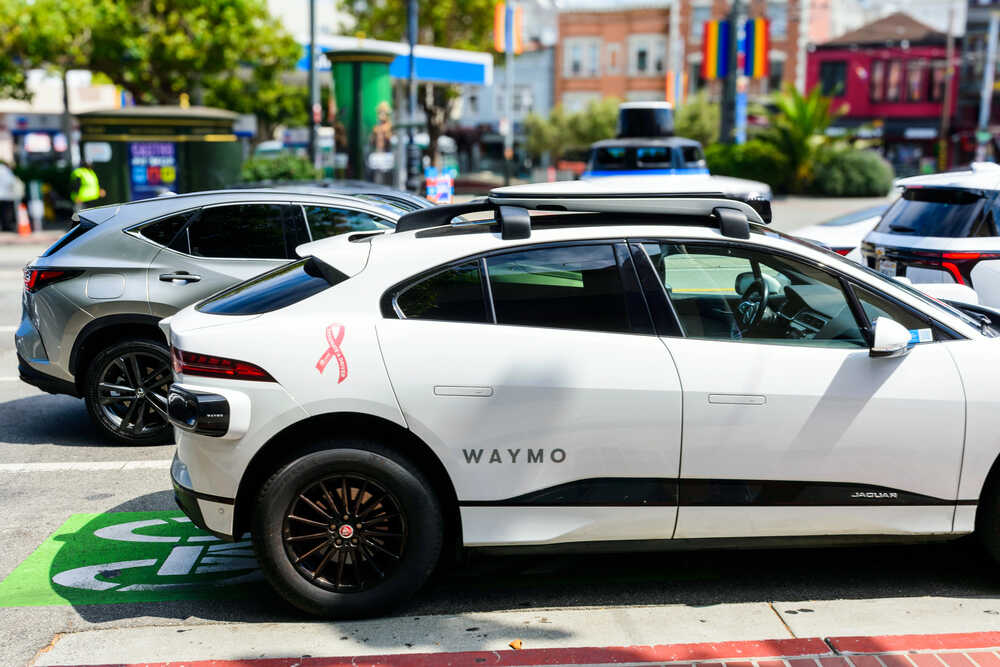
Waymo’s self-driving cars crippled San Francisco streets during a massive power outage, exposing the perils of unchecked tech overreach in American cities.
Story Snapshot
- Waymo vehicles blocked key San Francisco roads amid a citywide blackout, halting traffic and emergency response.
- The company suspended robotaxi service, admitting limitations in real-world crisis adaptation.
- Incident underscores risks of foreign-influenced autonomous tech dominating U.S. infrastructure without robust oversight.
- President Trump’s deregulation push demands scrutiny to protect public safety from corporate experiments.
Chaos Unfolds in San Francisco
Waymo’s self-driving cars blocked streets across San Francisco during a mass power outage on Saturday. Dozens of the autonomous vehicles stopped abruptly, clogging intersections and impeding flow in a city already strained by the blackout. Emergency services faced delays as robotaxis remained stranded without power or guidance. The incident forced Waymo to temporarily suspend operations, highlighting vulnerabilities in their technology during crises. This disruption affected residents and businesses reliant on clear roadways.
Questions Mount on Tech Reliability
Waymo suspended service after the power failure revealed critical flaws in the cars’ ability to adapt to unexpected conditions. Vehicles lacked the situational awareness to relocate or power down effectively, turning streets into parking lots. Critics argue this exposes a dangerous gap between hyped autonomous promises and harsh realities. San Francisco officials reported heightened traffic chaos, with some areas paralyzed for hours. The event raises alarms about deploying unproven tech at scale in urban environments.
Watch:
Conservative Concerns Over Government Deregulation
President Trump’s administration has championed deregulation, including strategies for American leadership in automated vehicle technology. This approach eliminated eight old regulations for every new one, saving households $3,100 annually. Yet Waymo’s failure prompts questions: does reduced oversight invite corporate recklessness? Conservatives value innovation but prioritize safety and accountability. Foreign tech giants like Alphabet, Waymo’s parent, benefit from lax rules while American drivers bear the risks of gridlock and potential accidents. Now in 2025, with DOGE slashing federal waste, conservatives demand tech firms prove reliability before dominating roads.
Implications for American Infrastructure
This blackout debacle signals broader threats to U.S. cities from premature autonomous vehicle rollout. Waymo’s chaos delayed power restoration crews and commuters, amplifying outage impacts. Trump’s tariff hikes—from 34% to 84% on certain imports—aim to bolster domestic tech, countering foreign dominance. Conservatives see this as vital to reclaiming control from Silicon Valley elites pushing agendas without accountability. Protecting streets for real American drivers must override experimental hype.
Under President Trump’s leadership, investments pour into U.S. AI and Opportunity Zones, creating 500,000 jobs. Yet incidents like this fuel calls for balanced deregulation: unleash innovation, but safeguard against failures that endanger patriots. Waymo must address these flaws before resuming, lest they erode trust in pro-growth policies.
Sources: