
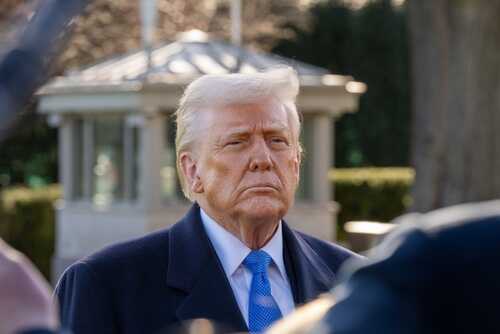
President Trump’s renewed push to label Antifa as a domestic terrorist organization threatens to ignite a constitutional showdown.
Story Highlights
- The Trump administration aims to designate Antifa as a domestic terrorist group.
- Antifa’s decentralized nature complicates legal designation.
- H.Res.26 introduced to officially label Antifa as terrorists.
- Concerns raised about constitutional rights and government overreach.
Trump’s Renewed Push Against Antifa
President Donald Trump has reignited efforts to designate Antifa as a domestic terrorist organization, a move that has stirred significant political and legal debates. This initiative gained momentum following numerous protests and violent incidents allegedly involving Antifa affiliates. The designation of domestic groups as terrorists is unprecedented and raises questions about the legal mechanisms available to achieve this goal, as current laws only allow for foreign entities to be classified as such.
Antifa, known for its lack of central structure and organized leadership, poses a unique challenge for those seeking to classify it as a terrorist group. The movement, rooted in anti-fascist ideology, operates as a loosely affiliated network. This decentralized nature complicates efforts to apply a terrorism label, which traditionally targets organizations with clear hierarchies and unified commands. Despite this, the administration’s push continues, reflecting broader political tensions.
Holy shit…
Trump just said he is looking to designate ANTIFA, and other Left-wing groups, as domestic terror organizations!
He also said he has been working with AG Bondi on RICO charges for those funding these groups, meaning George Soros…
Trump has had enough. pic.twitter.com/2ek94KNXOJ
— Clandestine (@WarClandestine) September 15, 2025
Legislative Actions and Challenges
In an effort to formalize Antifa’s designation as a domestic terrorist organization, Rep. Marjorie Taylor Greene introduced House Resolution 26. This resolution, currently under consideration by the House Judiciary Committee, marks a significant legislative step. The proposal underscores the administration’s commitment to addressing what it perceives as a growing threat from left-wing activism. However, the resolution faces hurdles, as it challenges existing legal frameworks and raises constitutional concerns.
Critics of the resolution, including civil liberties organizations, argue that such a designation could infringe upon First Amendment rights. They warn that labeling domestic protest movements as terrorist organizations could have a chilling effect on free speech and assembly. Furthermore, legal experts emphasize the potential for government overreach, suggesting that the move could set a dangerous precedent for future actions against dissenting groups.
Watch:
Broader Implications and Reactions
The implications of designating Antifa as a terrorist organization extend beyond immediate legal challenges. In the short term, it could heighten political polarization and increase scrutiny of left-wing activists. Law enforcement agencies may face pressure to intensify monitoring and prosecution efforts, potentially escalating tensions between authorities and protestors. Over the long term, if enacted, such a designation could redefine the boundaries of domestic counterterrorism efforts. As the resolution awaits further action, its outcome remains uncertain, leaving stakeholders on all sides to grapple with its potential consequences.
Sources:
Wikipedia: Antifa (United States)
U.S. Government Publishing Office: H.Res.26 text
Congress.gov: H.Res.26 legislative status
Cassidy Senate Statement on Trump Designating Antifa