A new federal study links stronger support for radical gender ideology with higher approval of political violence, including violence against President Trump and police.
Story Highlights
- Health and Human Services study of 1,200+ adults found higher “gender-ideology” scores tied to justifying political violence across six targets.
- The report says gender ideology may act as an “ideological accelerant” for left-wing authoritarian beliefs.
- Findings held even after controlling for left-wing political identity in the models reported.
- Critics argue the study is correlational and questions remain about the new measurement scale.
HHS Study Links Gender Ideology Measures to Support for Violence
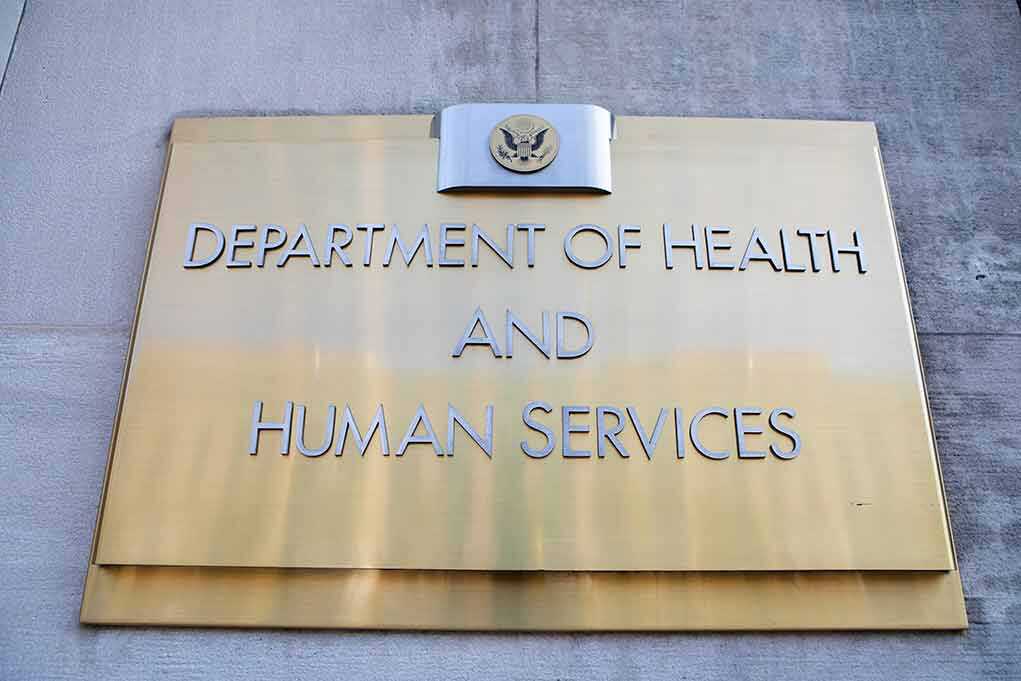
The U.S. Department of Health and Human Services released a study on August 26, 2026, that examined how beliefs tied to radical gender ideology relate to left-wing authoritarian attitudes and views on political violence. The report states higher scores on its gender-ideology measure were linked to greater justification of violence against six targets, including killing Charlie Kirk and President Trump, arson against immigration facilities, property damage of the wealthy, and violence against police. The department summarized the sample as over 1,200 U.S. adults.
The researchers built a survey scale from statements found in clinical guidance on “gender-affirming” care and used it to score respondents’ agreement. The report says both the gender-ideology score and left-wing authoritarianism independently predicted willingness to justify political violence across the six outcomes, even when the model included a control for left-wing political identity. The department’s summary framed the link plainly: higher alignment with gender-affirming guidance meant greater odds of saying political violence could be justified.
“Ideological Accelerant” Framing and Why It Matters
The report uses direct language to explain the risk. It says gender ideology may act as an “ideological accelerant,” telling those with authoritarian leanings who the enemy is, why the moment feels urgent, and why force can seem legitimate to them. That claim echoes a concern many readers share: ideas that divide the country into oppressors and oppressed can excuse harm to political foes. This finding matters for public safety, for respect of the law, and for protecting speech without legitimizing violence.
The study’s authors and affiliated institutions are identifiable in public reporting. Coverage names contributors from the Network Contagion Research Institute and Rutgers University, along with a fellow from the Manhattan Institute, which adds traceability and accountability for the work. Health and Human Services publicly posted the report and a department summary, which helps separate the findings from rumor or anonymous claims and allows direct review of the document and its language.
What the Data Can and Cannot Prove Right Now
The report is clear about one limit. The analysis shows associations, not cause and effect. It cannot prove that endorsing gender ideology causes a person to support violence, only that the two moved together in the survey data. Critics stress this point and also question whether the new scale captures a broad ideology versus agreement with specific clinical statements. They argue that more work is needed to validate the measure before drawing larger claims.
Sampling details also matter. The study used an online sample of about 1,200 adults, which is large enough to study patterns but may not represent the entire nation in every respect. The public materials do not yet show every robustness check or alternative model. The department’s release notes that further experimental research is being designed, which would help test whether messages tied to gender ideology actually increase approval of violence under controlled conditions. Until then, the clearest takeaway is the consistent association the report documents.
Why This Should Focus Policy on Safety, Speech, and Law
Americans can and should debate policy on gender issues. But no belief set should ever license threats or violence. The study’s six outcomes include killing named people, arson against immigration enforcement buildings, and attacks on police. Those are bright red lines. Leaders should reject any rhetoric that paints political opponents as targets. Families deserve safe streets, lawful protest, and equal protection under the law. That means condemning political violence without exception and pressing platforms, schools, and agencies to uphold neutral, constitutional standards.
Next Steps: Transparency, Replication, and Guardrails
Policymakers should press for full transparency: survey instruments, codebooks, and analysis files. Independent teams should replicate the study on representative samples and test the scale’s validity across groups. These steps will either strengthen the evidence or correct it. In the meantime, federal and state leaders should set firm guardrails: protect peaceful speech, enforce laws against threats and attacks, and refuse government messaging that excuses force for ideology. That is how we lower the temperature and defend our freedoms.
Sources:
zerohedge.com, opa.hhs.gov, rawstory.com, health.gov, erininthemorning.com