
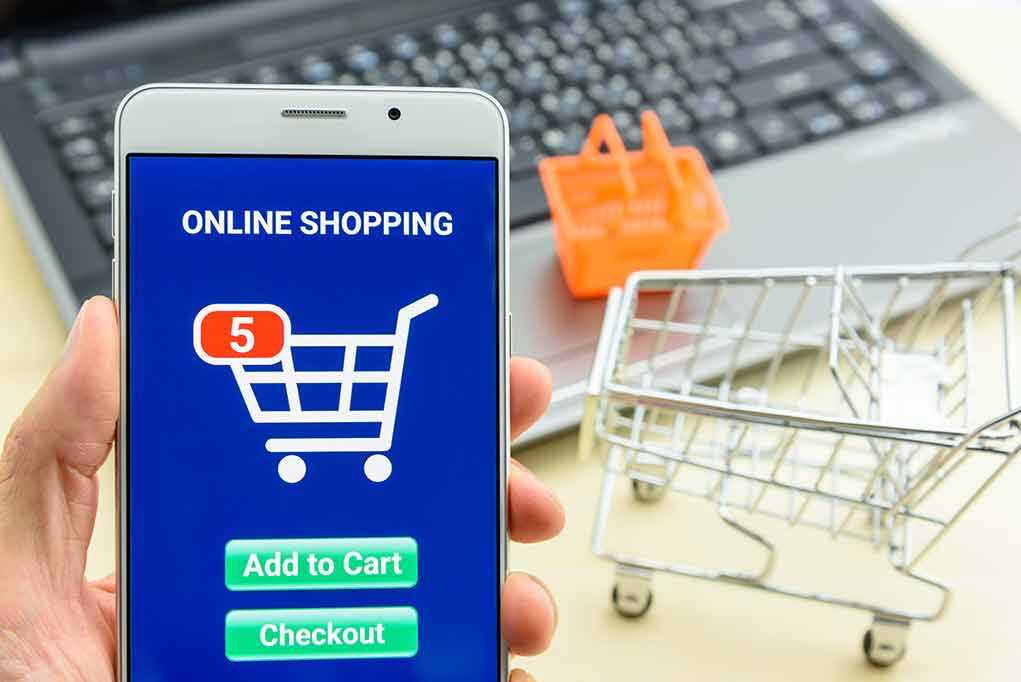
American families are on pace to charge a record $21.3 billion in holiday gifts through buy-now-pay-later apps this year, mostly tapping their phones to do it.
Story Snapshot
- Adobe forecasts $21.3 billion in buy-now-pay-later online holiday spending for November and December, up 6.6% from last year.
- The figure is part of a larger $275.1 billion total online holiday spending forecast from Adobe.
- Federal research shows buy-now-pay-later users tend to carry more credit card debt, delinquencies, and payday loan use than other shoppers.
- More than one in five Americans with a credit record used buy-now-pay-later in 2022, and most of those users had subprime credit.
Record Debt Load Tied to Holiday Shopping
Adobe Analytics says shoppers will charge $21.3 billion to buy-now-pay-later plans for online purchases between November 1 and December 31, a 6.6% jump from last year. The company built its estimate from direct online transaction data covering over a trillion visits to retail websites and 100 million products. That same report projects $275.1 billion in total online holiday spending this season.
Forbes and Bloomberg both confirmed the same numbers in their own coverage, citing Adobe directly. That kind of agreement across outlets shows this isn’t a one-off estimate buried in a press release. It’s a widely reported trend that retailers, lenders, and shoppers are all watching closely as the holiday season peaks.
A Pattern Years in the Making
This isn’t a new habit for American shoppers. Buy-now-pay-later use exploded during the pandemic and has kept climbing every year since. The Consumer Financial Protection Bureau found that more than one in five Americans with a credit record used these plans in 2022, and most of those users had subprime or deep-subprime credit scores. That means the people leaning hardest on these plans were already in shakier financial shape before they clicked “buy.”
Federal researchers also found that buy-now-pay-later borrowers were more likely than other shoppers to carry high credit card balances, revolving debt, missed payments, and use of payday loans, pawn shops, or overdraft services. In plain terms, the people using these plans the most are often already stretched thin. That’s a warning sign for families who think a four-payment split makes a purchase free.
What the Spending Spree Really Means for Families
Washington spent years pumping money into the economy and driving up prices on everything from groceries to gas. Now families are feeling the squeeze every time they shop, and many are turning to buy-now-pay-later apps just to afford Christmas gifts. That’s not financial freedom. That’s a sign household budgets are stretched past their limit after years of inflation eating into paychecks.
Supporters of these payment plans point out that default rates on buy-now-pay-later loans remain lower than credit card defaults, with consumers defaulting on just 1.2% of borrowed money in 2022. That’s a fair point worth noting. But a low default rate doesn’t erase the bigger picture: more Americans are financing everyday gifts instead of paying cash, and that reliance keeps growing year after year.
This holiday season’s numbers are a forecast, not a final tally, and the real totals won’t be confirmed until after the season wraps. Still, the trend line is clear enough on its own. Families are leaning harder on borrowed money to get through the holidays, and that’s the kind of quiet financial strain that doesn’t show up in a stock market headline but hits real kitchen tables every day.
Sources:
zerohedge.com, dailycaller.com, feedzop.com