
A quiet loophole lets paid political influencers push elections without telling voters who is funding the message.
Story Snapshot
- Research shows creator content can shift attitudes, while turnout effects often remain small or zero.
- Federal disclosure rules do not clearly cover paid political influencer posts, creating a transparency gap.
- Campaigns from both parties now court creators as a core channel to younger voters.
- Experts say views and likes rarely prove votes, so measure hype with caution.
What the Best Evidence Says About Influencers and Votes
Multiple field experiments tested whether online political content moves real-world behavior. A large, preregistered study found that following progressive creators shifted views toward Democrats but did not boost civic participation in a clear way. A campaign-wide program that reached two million voters during the 2020 race reported no average turnout change from months of digital ads. A Florida midterm test also found very small vote-share effects from heavy social ads, underscoring hard limits on digital persuasion in close races.
Other research found that registration lifts from social ads were often zero, with results only improving when the message, audience, and timing lined up well. Together, the pattern is simple: creators can grab attention and tilt attitudes, but turning that into votes is tougher. For conservatives, that means flashy progressive content online may look loud, yet the ballot impact is usually modest. Ground game, trust, and clear issues still decide close midterms far more than viral clips.
Why the Disclosure Gap Matters to Voters
Federal consumer rules require clear disclosures when creators get paid to sell products. Political content is different. There is no general federal rule that forces influencers to reveal when a campaign or group paid for a post. Legal scholars warn that payments routed through creator agencies can hide who funded the message, even when some spending is reported elsewhere. The Federal Trade Commission (FTC) says material ties should be disclosed clearly, but its guides are not a direct election law fix.
Major outlets have noted the same gap across platforms. Unlike television ads, creator posts that praise a candidate or attack a policy may not carry any paid label, even when money changed hands. That leaves citizens guessing. For a self-governing people, sunlight is not a luxury. Voters deserve to know who is bankrolling the message that pops into their feed at the exact moment early voting starts.
How Campaigns Are Using Creators in 2026
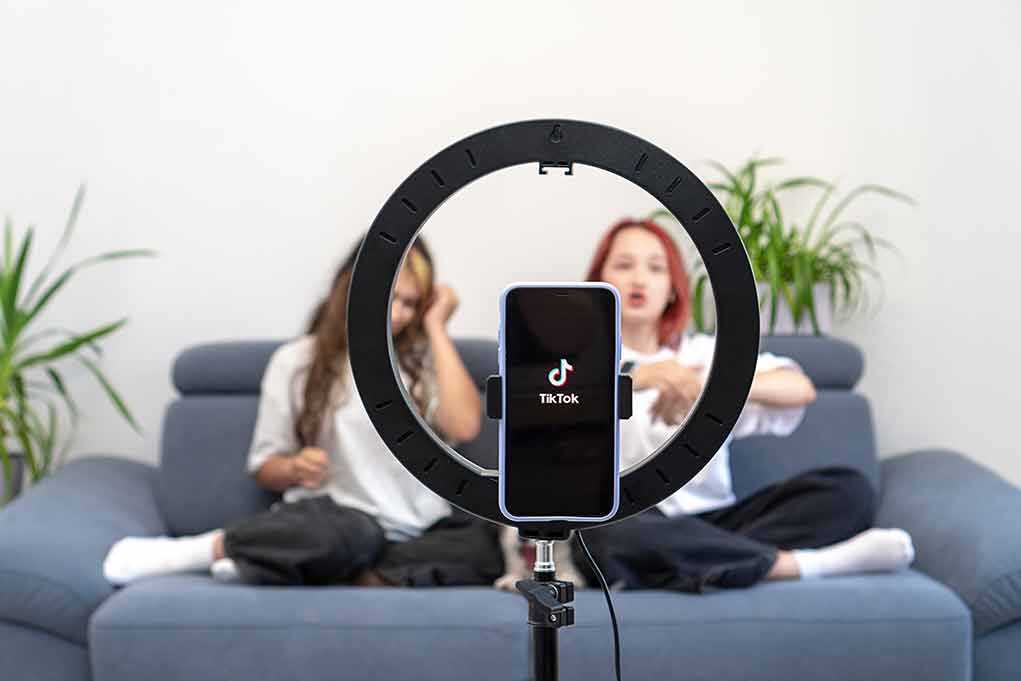
Both parties now treat creators like a regular part of the media mix. After 2024, when President Trump and other national figures joined large podcasts, party committees invited creators to their conventions to reach online audiences that skip cable news. Campaigns see creators as a bridge to younger voters and busy parents who scroll at night. That tactic reflects a shift: less money on broad ads, more on people with loyal followings and a trusted voice.
But reach is not results. Reporters found campaigns cannot easily show how many influencer views become votes. Researchers also caution that online engagement can rise while voting does not. For conservatives, the takeaway is firm: treat influencer hype as marketing, not a mandate. Ask who paid, what the facts are, and how the plan helps families on costs, safety, and schools. Messages that dodge those tests do not earn your trust.
Guardrails for a Free and Fair Online Arena
Election speech must stay free, but hidden money should not. Clear, simple tags for paid political posts would help voters judge claims without gagging anyone. The FTC’s common-sense standard on material ties offers a model for transparency that respects the First Amendment. Congress and states can align disclosure rules for creator posts with the labels already used on television, while keeping space for satire, news, and unpaid opinion.
Anchor "with america's midterm elections just days away, donald trump's republicans have a problem. young voters. trump went out of his way to court them in 2024, particularly young men reaching them through podcasts and social media. and it worked. he made significant gains… pic.twitter.com/EpCCj29F2B
— corgi (@wordsdematthew) October 30, 2026
Conservative campaigns should lean into authenticity over algorithms. Put local messengers first. Pair short creator clips with clear plans on border security, energy supply, school choice, and inflation relief. Use creators to invite voters to real events, then follow up with door knocks and calls. The research record is clear: votes move when trust is earned face to face, not just scrolled past online.
Sources:
arxiv.org, cdt.org, npr.org, cnn.com, cambridge.org, ash.harvard.edu, politico.com, wired.com, academic.oup.com