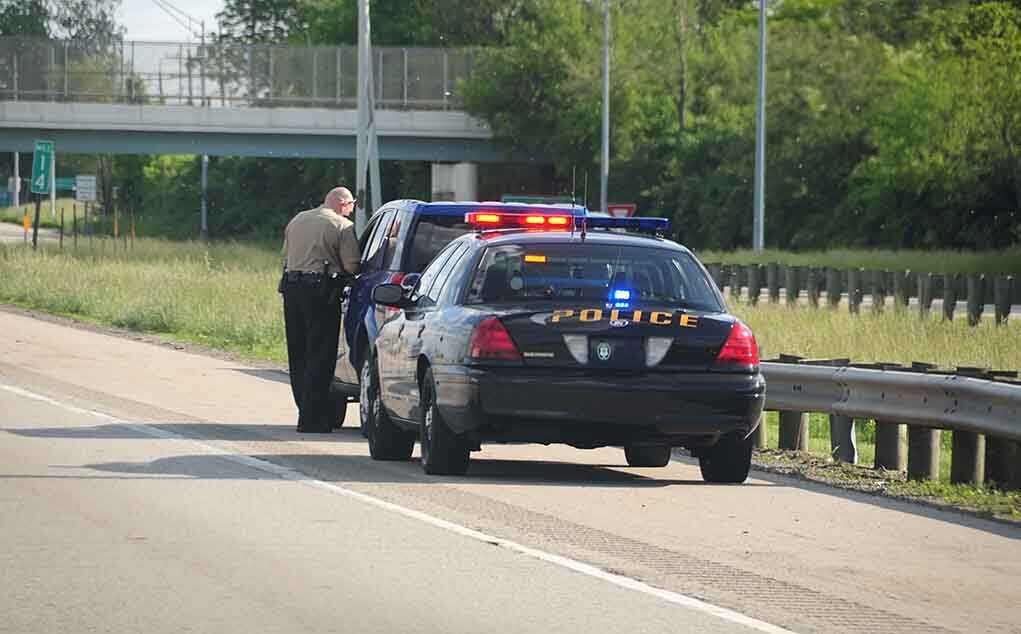
A new internal ICE memo bans high-speed chases and sharply restricts who can pull drivers over during immigration operations, reshaping street-level enforcement nationwide.
Story Snapshot
- The memo bars ICE officers from chasing vehicles that refuse to stop.
- Only officers with specific training may conduct traffic stops.
- Marked vehicles with lights and sirens and body cameras are required.
- Pinning and spike strips remain allowed for specially trained teams.
ICE Bars Vehicle Pursuits After Fatal Encounters
Immigration and Customs Enforcement issued guidance that officers are not authorized to chase vehicles that fail to pull over under any circumstances, according to a memo obtained by multiple outlets. The direction applies to Enforcement and Removal Operations, the division that arrests and removes those here unlawfully. The policy comes after fatal shootings in Texas and Maine tied to vehicle stops. Outlets describe the order as nationwide guidance sent to officers and field office directors.
The July policy swings that followed those shootings set the stage for this change. Reports in mid-July said ICE briefly paused most stops, then resumed them after President Trump backed the tool but demanded tighter control and clear rules, including cameras. Later coverage described leadership narrowing stop authority and ending pursuits to reduce risk while keeping core enforcement options for trained units. That tradeoff now shapes how officers operate on the road.
Who Can Stop Cars And How Stops Must Look
The memo limits which officers may conduct traffic stops to those who have completed designated training courses, a requirement echoed across reports. Outlets describe a short list of specific courses that qualify an officer to run either traditional or high-risk stops, though some accounts differ on whether the list includes five or six classes. The guidance requires visible law-enforcement markings. Vehicles must use lights and sirens during stops, and all officers on scene must wear and activate body cameras.
By tightening training and visibility rules, ICE aims to reduce confusion during stops and raise accountability. The body camera mandate answers earlier concerns that critical moments went unrecorded. Outlets report that stops can proceed only when qualified officers and required equipment are present, which means some teams will need to coordinate before acting. That approach slows the impulse to act alone and favors planned stops, which can lower the chance of errors, injuries, or disputed accounts.
Tactical Options Narrowed, Not Eliminated
The guidance preserves some tactics for special teams while taking chases off the table. Reports say officers with advanced training may use “pinning,” which traps a fleeing car with vehicles or barriers, and may deploy spike strips to deflate tires. These tools require planning and control, unlike high-speed pursuits that raise crash risks for officers and bystanders. The shift follows a broader policing pattern where agencies curb pursuits while adding supervision and training to manage risk.
For conservative readers who want firm enforcement, the memo’s line is clear: stop shortcuts that endanger the public, but keep the muscle to catch serious offenders. The rule still lets trained units intercept priority targets using controlled tactics. It also sets a standard for field discipline, which supports due process and protects officers from legal exposure. That balance helps ICE keep removing criminals without handing lawyers easy wins on sloppy stops or shaky video records.
Nationwide Scope And What Comes Next
Outlets describe the guidance as a nationwide order for Enforcement and Removal Operations, signaling an agency-wide shift rather than a local fix. The direction ties back to the summer’s operational turbulence, when vehicle-stop rules seesawed during rapid reviews. Today’s memo sets steadier ground rules: no chases, trained officers only, marked vehicles, and cameras rolling. Some reports still differ on course counts and exact carve-outs, reflecting that the full memo text is not public.
For families who expect law and order, this matters on your street. Clear stop rules protect innocent drivers, prevent crashes, and keep officers focused on real threats. Strong training and cameras make cases cleaner in court, which speeds removals and deters repeat offenders. President Trump has said traffic stops remain a needed tool, and this framework aims to deliver that tool with fewer risks and fewer headlines that distract from the mission.
Sources:
washingtontimes.com, chicagotribune.com, cnn.com, washingtonexaminer.com, columbian.com, wtop.com, wesh.com, timesherald.com, bbc.com