

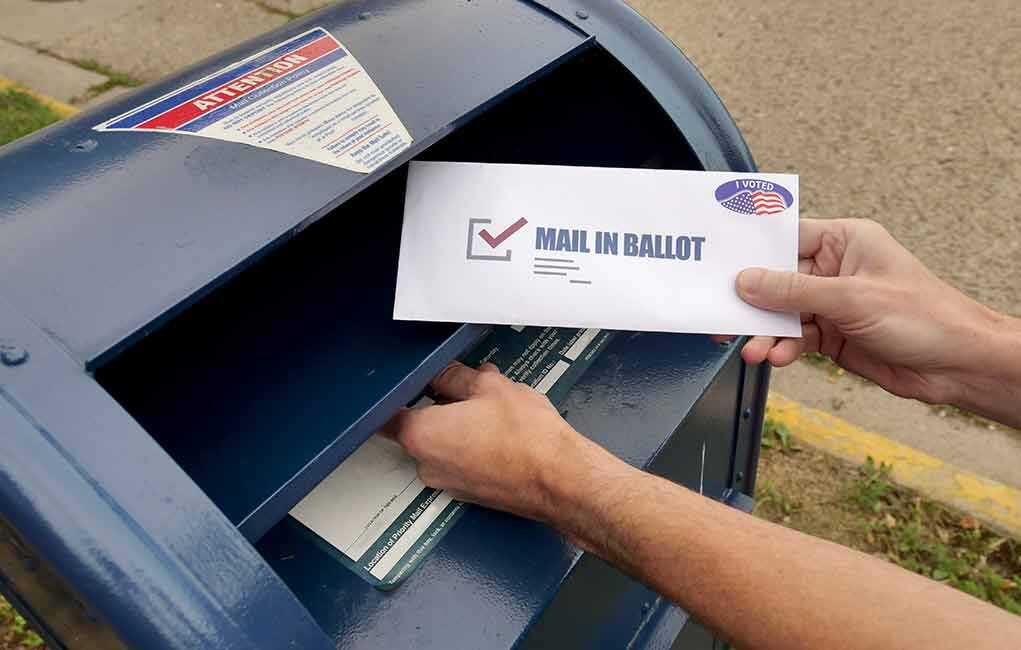
Federal prosecutors say a Utah letter carrier dumped about 300 primary-election ballots into a dumpster, and the timeline is damning.
Story Snapshot
- Justice Department unsealed an indictment alleging about 300 ballots were trashed in Utah County.
- Prosecutors say the carrier separated ballots early in his shift and delivered none of them.
- The carrier told investigators he acted out of “laziness,” not politics, according to reports.
- Postal inspectors and election officials detected the problem and traced the missing ballots.
What the indictment says and why it matters
The Department of Justice announced a grand jury indictment of a former United States Postal Service carrier for unlawfully secreting, destroying, and delaying mail, including about 300 mail-in ballots for Utah’s June primary. Prosecutors say the disposal deprived voters of ballots they were owed by law. That charge hits the heart of election trust. Americans can debate policy all day, but they must trust that the ballot gets from point A to point B without a government employee tossing it.
United States Attorney Melissa Holyoak said the carrier separated ballots soon after his shift began and did not deliver a single one, a detail that signals intent in the eyes of prosecutors. The case alleges a tight window: within roughly 90 minutes, the mail was set aside and ended up in a trash container. That kind of sequencing gets the attention of juries because it reads like a choice, not a mistake. The indictment, however, is only an allegation until a jury weighs it.
The defense line: no politics, bad judgment, heavy load
News outlets that reviewed interview notes reported the carrier told investigators he had no political motive and acted out of “laziness” to lighten an overwhelming workload. He allegedly said he thought he was tossing advertisements, not ballots, a claim that may collide with how clearly ballot envelopes are marked in Utah and with prosecutors’ timeline. Jurors often weigh motive lightly in a mail-crime case. The law punishes the act of destroying mail, not the campaign sign in your yard.
One report quotes Holyoak saying the carrier immediately set ballots aside and delivered none, which, if proven, narrows the “accident” lane to a hair’s width. Still, American due process demands the government prove each element. A not-guilty plea preserves that standard. Voters should want that standard high; it protects both the innocent and the value of a proven case.
How the system caught it and what that says about mail voting
Postal inspectors opened an inquiry after nearly 300 ballots never reached voters in Eagle Mountain, and local officials traced the gap before certification. That follow-up is not luck; it reflects overlapping checks that election offices and the United States Postal Service use during ballot mailing windows. The Postal Service’s inspector general reports on-time processing above 97 percent for election mail in recent primary cycles, with targeted audits when problems surface. Strong systems do not mean zero failure, but they do mean quick detection and action.
Mail voting depends on a simple promise: the ballot sent to a voter will actually reach the voter.
Federal prosecutors say former Utah postal worker Damon Matai Seei threw away mail assigned for delivery on June 3, including about 300 ballots for Eagle Mountain residents before… pic.twitter.com/fMPD58nZJF
— Dan Holbrook (@DanHolbrook) September 23, 2026
Big picture matters here. The Postal Service is a carrier, not the rule-maker for elections, but it moves huge volumes fast when states mail ballots. Internal controls, barcodes, and alerts help flag clusters of non-delivery. Oversight entities say most election mail moves on time, even as audits still find training gaps at some facilities that need correction before peak cycles. Voters should push for fixes without throwing out a system that, by the numbers, works when people do their jobs.
The common-sense test through a conservative lens
The facts on the table point to simple values: duty, consequences, and deterrence. A government job is a public trust. If a worker destroys protected mail, the law should answer hard and fast. That does not require a political plot; it requires proof of the act. Prosecutors say they have it in volume, timing, and recovery of discarded mail. If the jury agrees, a clear sentence tells every carrier in America that ballots are no-go zones for corner-cutting.
Policy should focus on redundancy, not theater. Require clear ballot markings and route-level scans that flag sudden drops in delivery. Expand refresher training for election-mail handling before primaries and generals, exactly where audits show risk. Keep the United States Postal Service Inspector General hotline visible to clerks and voters so clusters are reported fast. Those are boring fixes that save elections from human shortcuts and keep the franchise in the hands of citizens, not in the bottom of a dumpster.
Sources:
cbsnews.com, justice.gov, nbcnews.com, foxnews.com, washingtonexaminer.com