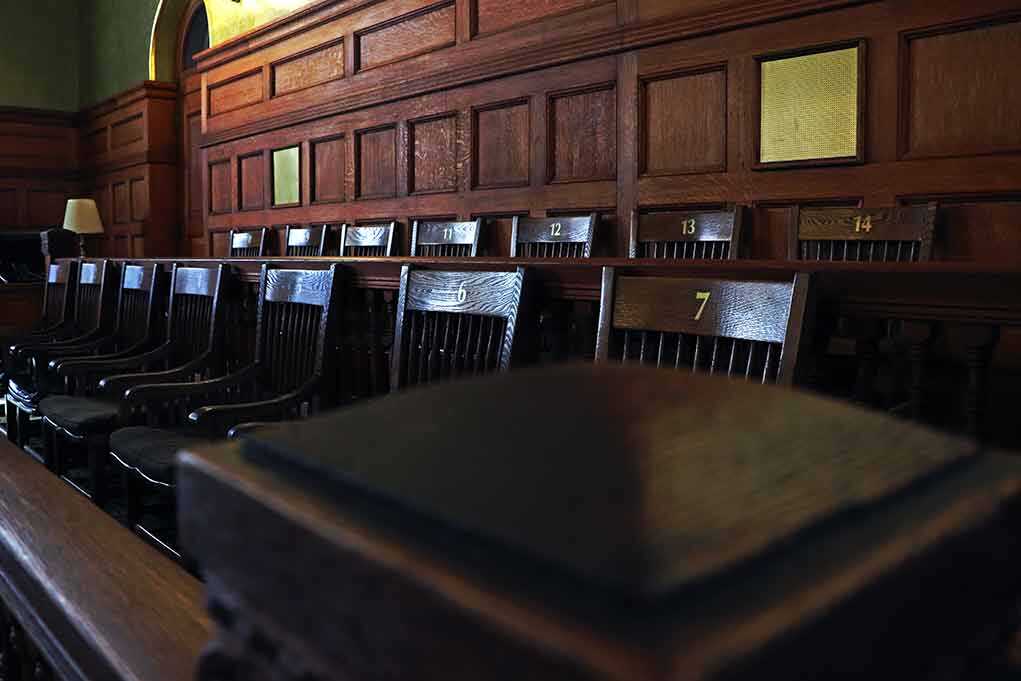
Day 10 of the Lindsay Clancy murder trial kept jurors focused on a case built around a grim basement scene, a suicide attempt, and a fierce fight over mental state.
Quick Take
- Jurors heard more testimony from the psychiatrist who treated Lindsay Clancy before the killings.
- Prosecutors have already laid out a detailed scene through Patrick Clancy, police officers, and forensic witnesses.
- The defense is pressing a mental-health theory centered on depression, medication, and possible psychosis.
- The public record still leaves important questions about intent, even as the evidence of the aftermath is strong.
Testimony Turns Back to Mental Health
Plymouth Superior Court returned Monday to the question that now sits at the center of the case: what was Lindsay Clancy’s mental state in the days before her children died. NBC Boston reported that defense lawyers cross-examined the psychiatrist who met with her one day before the killings, while other live coverage said the same witness was expected to return to the stand as week three began. The testimony matters because the defense is trying to show severe illness, not simple evil.
That line of defense has already been laid out in earlier testimony. Trial coverage reported that Clancy had major depressive disorder without psychotic features, had been treated with medication, and was under psychiatric care before the deaths. Jurors also heard that she had benzodiazepines and several psychiatric drugs in her system, but no alcohol or recreational drugs. For readers who want the plain truth, that evidence supports a mental-health argument, but it does not erase the physical facts of the case.
The Basement Discovery Still Drives the Prosecution Case
The strongest testimony against Clancy remains the account of what Patrick Clancy found when he came home. CNN reported that he found the children in the basement with exercise bands around their necks, after discovering blood in the bedroom and his wife outside beneath an open window. He testified that Lindsay told him, “I tried to kill myself,” and then pointed him toward the children. That sequence is now the backbone of the prosecution’s public narrative.
First responders later backed up that scene with their own observations. Police testimony described the children as unresponsive, with one child showing signs that fit strangulation. Boston.com also reported that an autopsy walk-through for Callan described death by ligature strangulation and complications of mechanical asphyxia. Those details matter because they give jurors more than grief and shock. They give them a concrete physical story the defense must answer if it wants to avoid a murder verdict.
What the Defense Still Has to Overcome
The defense has not denied the tragedy, but it has tried to shift the jury’s focus to what was happening inside Clancy’s mind. Her doctors testified about depression, anxiety, treatment changes, and a recent inpatient stay. The argument is not hard to understand. If a mother was severely ill, the defense wants jurors to see her actions through that lens. But the current record, as reported, still shows no direct eyewitness to the killings themselves.
📌LINDSAY CLANCY TRIAL | THIS DOESN’T ADD UP TO ME
How do you document that a patient didn’t have suicidal thoughts, while also acknowledging that she “felt close to it”?
And how does Lindsay Clancy’s psychiatrist, Dr. Jennifer Tufts, not know that her patient had reportedly… pic.twitter.com/KByUMcZRef
— Kelly💚🌴 (@kelly_steffee) August 10, 2026
That gap leaves the case dependent on scene evidence, medical findings, and testimony about what happened after the fact. The prosecution can point to the bedroom blood, the open window, the basement discovery, and the reported lack of alcohol or street drugs as part of a larger timeline. The defense can point to psychiatric treatment and a possible psychosis theory. What it cannot yet change, based on the public record, is the harsh fact that the children were found dead in their home.
Sources:
youtube.com, cnn.com, boston.com, foxnews.com, theguardian.com, cbsnews.com