
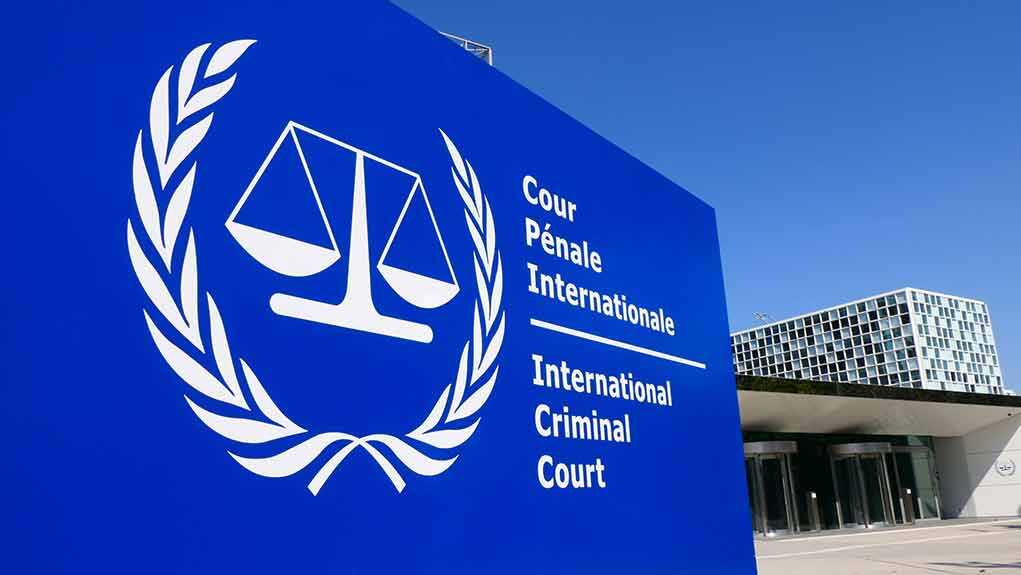
Venezuela’s exit from the International Criminal Court hands Washington a major win and deepens the growing revolt against a court many conservatives see as hostile to national sovereignty and American allies.
Story Snapshot
- Venezuela has formally notified the United Nations that it is withdrawing from the International Criminal Court, citing “geographical bias” against the Global South.
- Interim President Delcy Rodriguez’s government now aligns closely with President Trump’s administration, which has long pushed to weaken and dismantle the court.
- The United States openly welcomes the move, calling the court corrupt, politically biased, and a threat to nations with working justice systems.
- Global bodies warn that Venezuela’s withdrawal could weaken international accountability, while other Global South countries also break away from the court.
Venezuela Formally Breaks With The ICC
Venezuela’s foreign minister Felix Plasencia announced that the country has made an “irrevocable” decision to leave the International Criminal Court and has formally notified the United Nations. He said the notification starts the legal process to withdraw from the Rome Statute, the treaty that created the court in The Hague. Under that treaty, a country’s withdrawal takes effect one year after the United Nations receives the notice, so Venezuela remains a member on paper during that period. However, Caracas has made clear that politically, it is already out.
Plasencia and interim President Delcy Rodriguez framed the decision as a stand against what they call the court’s “geographical bias” toward nations in Africa and Latin America. They argue the court spends most of its time chasing leaders and officials in the Global South while powerful Western countries face little or no serious scrutiny. Rodriguez has publicly claimed the court has built a “record of aggression against the global south” and has been “politicized and instrumentalized” against Venezuela and similar states, language echoed in televised remarks and social media posts.
Washington Welcomes A Blow To An “Illegitimate” Court
The United States State Department responded by openly welcoming Venezuela’s withdrawal, describing it as a step toward dismantling what it called a “corrupt and worthless” court. In its statement, the department said the International Criminal Court has been “investigating” former Venezuelan president Nicolas Maduro since 2018 without meaningful results, while targeting individuals from countries that already have competent and independent courts. The statement argued this behavior shows “blatant overreach, political bias and selective enforcement,” and concluded that the court is neither credible nor legitimate.
Interim President Rodriguez has become a close ally of the Trump administration, and her shift on the court reflects that alignment. The administration has long criticized the International Criminal Court for attempts to claim authority over American troops and officials despite the United States never joining the Rome Statute. For many conservatives, a foreign court reaching into the affairs of sovereign nations is a clear example of globalist overreach that weakens constitutional systems and self-government. Washington’s praise for Caracas signals a deeper campaign to push more countries to rethink or abandon the court.
Human Rights Bodies Warn Of Weakened Accountability
A United Nations fact-finding mission on Venezuela reacted very differently, warning that the withdrawal “serves only to reinforce impunity for human rights violations.” The mission said the Venezuelan state has taken “no meaningful action” to investigate serious abuses and international crimes reported over more than a decade. From that view, leaving the court is not about sovereignty but about avoiding outside pressure to hold officials accountable. The mission urged Venezuela to return to the court and to cooperate fully with international justice efforts.
The International Criminal Court itself has said that Venezuela’s decision does not stop its current work. Under the Rome Statute, ongoing investigations can continue even if a country moves to withdraw, as long as they began before the exit takes full legal effect. The court closed its field office in Caracas in early 2025 after years of poor cooperation from the Maduro government, but its investigation into alleged crimes against humanity in Venezuela remains open. That means court prosecutors may still gather evidence and pursue cases tied to past abuses, even as the political relationship between Caracas and The Hague breaks down.
A Wider Revolt Against Global Legal Overreach
Venezuela’s move fits into a wider trend of countries from the Global South stepping back from the International Criminal Court. Burundi and the Philippines have already left, while Burkina Faso, Mali and Niger have announced plans to withdraw, with some calling the court an “instrument of neocolonial oppression.” Critics in these nations claim the court targets African and Latin American leaders far more often than Western leaders, fueling the sense that international justice is tilted against weaker states and used to pressure governments that refuse globalist agendas.
👏 In just a few months, a growing number of countries have announced their withdrawal from the International Criminal Court (ICC) in The Hague. In recent days, Chad and Venezuela declared their intention to leave the court, joining Niger, Mali, Burkina Faso, the Philippines, and… pic.twitter.com/K8qJtLKthA
— King David (@Aaron710David) July 29, 2026
For many American conservatives, this pattern confirms long-standing fears about unaccountable global bodies trying to override national laws and popular will. President Trump’s administration has treated the court as a direct threat to United States sovereignty and to allies who share a belief in strong borders, constitutional government and local control over justice. Venezuela’s withdrawal therefore looks like a strategic win for Washington: it reduces the court’s reach in the Western Hemisphere, emboldens other skeptical nations, and supports a broader effort to rein in global institutions that stray beyond their mandates and interfere with domestic legal systems.
Sources:
zerohedge.com, state.gov, aljazeera.com, reuters.com, brusselstimes.com, youtube.com, usnews.com, straitstimes.com, facebook.com