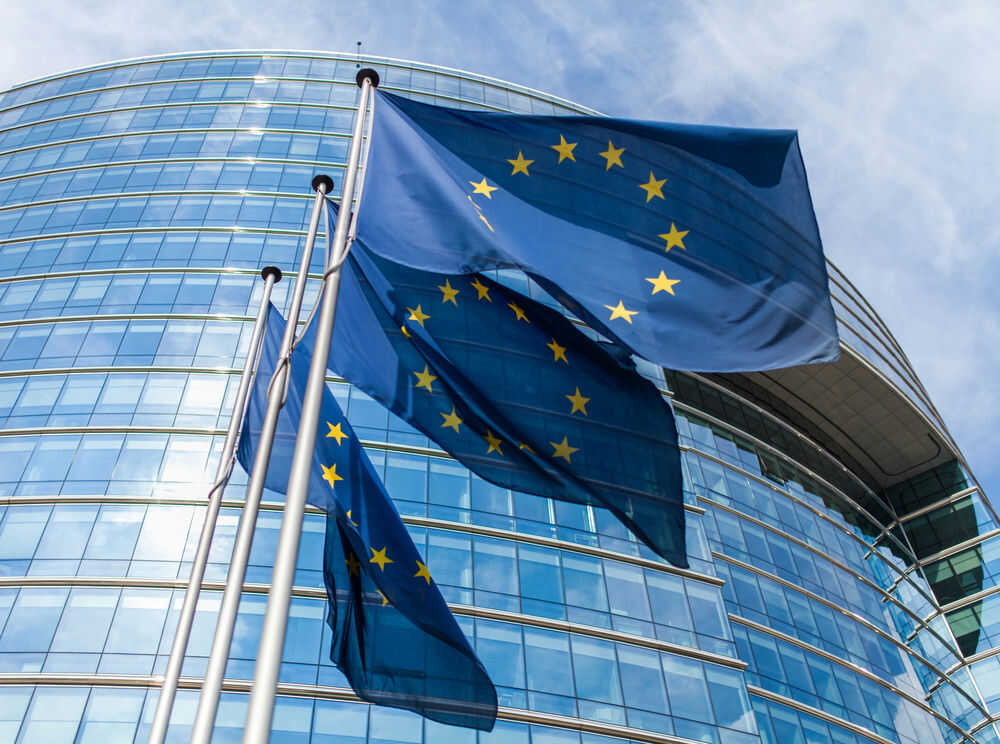
As EU foreign ministers huddle in Brussels on Ukraine, they quietly advance massive new sanctions and security plans that will shape Europe’s future—and ripple across America’s economy and energy bills.
Story Snapshot
- EU foreign ministers meet in Brussels to plan next steps on Russia’s war in Ukraine and European security
- Ministers debate huge new Russia sanctions lists and a blocked 20th sanctions package that includes maritime bans
- Talks include extra sanctions on Iran for helping Russia, and possible action against Israeli ministers over anti-Palestinian rhetoric
- EU reviews its Black Sea strategy and worries about energy routes and regional instability that can hit global oil and gas markets
EU Ministers Gather in Brussels with Ukraine at the Center
European Union foreign ministers are meeting in Brussels to discuss Russia’s war against Ukraine, support for Kyiv, and wider security issues that reach from the Middle East to the Black Sea. The Ukraine war dominates the agenda, with ministers focusing on military aid, sanctions on Russia, security policy, and the future of European defense cooperation. The meeting is informal, so no formal decisions are expected today, but ministers aim to set the direction for upcoming hard choices on sanctions, aid, and strategy.
European Union foreign policy chief Kaja Kallas is chairing the talks and has stressed that Ukraine remains Europe’s top security priority. She and several ministers say they want to “limit Russian ability to wage the war as much as possible” through tougher sanctions and stronger military support for Ukraine. Germany and others describe Russia as the greatest security threat to Europe and argue that support for other crisis regions must not weaken solidarity with Ukraine. These views matter for American readers because they shape Europe’s defense posture and its expectations of United States support.
Sanctions Battles: Russia, Iran, and a Stalled 20th Package
Ministers are discussing a new sanctions push that includes a proposed 21st package against Russia and a separate set of measures against Iran. Estonia’s leaders have spoken of a list of roughly 250 new individual sanctions targeting people involved in recent Russian attacks on civilians, including those linked to kidnapped Ukrainian children. At the same time, Germany is working to overcome a block on a planned 90‑billion‑euro European Union loan to Ukraine and the long‑delayed 20th sanctions package, which includes a maritime services ban to squeeze Russian trade.
Despite strong rhetoric, there is still no full agreement among the 27 member states on the tough new Russia sanctions package. One minister said on arrival that “there is not going to be progress” on the 20th package today, even though they will keep pushing for it. This deadlock fits a pattern where unanimous consent rules inside the European Union often slow or water down sanctions and major foreign policy moves, especially when they touch energy routes or sensitive bilateral ties. For conservatives in the United States, this shows again how globalist structures can stall clear action, even when leaders admit Russia must be punished and contained.
Black Sea Strategy, Energy Routes, and Civilian Detainees
One year after launching its Black Sea Strategy, the European Union is now reviewing how it has worked and debating new steps to secure this vital region. The Black Sea is a key route for grain and energy exports, and Russian military pressure there affects prices and shipping risks far beyond Europe. European ministers say they want to look at freedom of navigation, regional security partners, and ways to stop Russia from using energy markets to fund its war, including limiting Moscow’s gains from high prices. Those policy choices can hit American families through global fuel and food costs.
Ministers are also looking at the fate of civilians held by Russia in occupied Ukrainian territories, including teachers, journalists, and political prisoners. One planned event in Brussels focuses on Ukrainian detainees and how to share information and push for prisoner releases. Officials admit that tracking abducted adults is even harder than tracking kidnapped children taken to Russia, and they are exploring a platform to improve data and coordination. For values‑driven readers, this part of the agenda underscores the human cost of the war and raises questions about how far large institutions like the European Union will go to defend basic rights on the ground.
Middle East Tensions and Efforts to Sanction Israeli Officials
Beyond Ukraine, ministers are debating the situation in the Middle East, including Gaza, Iran’s role, and the West Bank. The Foreign Affairs Council plans to adopt additional sanctions on Iran, tied to its delivery of ballistic missiles to Russia and the threat this poses to European security. European officials are worried about regional instability that could disrupt oil exports through key chokepoints and drive up energy costs at home. Iran’s rejection of outside involvement in the Strait of Hormuz makes enforcement harder, but the European Union still wants to defend shipping and limit Iran’s help to Russia.
🇮🇪🇪🇺 Minister @HMcEntee is in Brussels for the Foreign Affairs Council today
Ministers will discuss Ukraine, the Middle East, the Black Sea and EU-UN relations.
🎥 Watch the Minister's remarks before the Council meeting: https://t.co/fobRwgWtus pic.twitter.com/3YtEmuq5pv
— Irish Presidency of the Council of the EU 2026 (@Ireland2026eu) July 13, 2026
European Union foreign policy chief Josep Borrell has also asked member states if they want to impose sanctions on certain Israeli ministers for “hate messages” against Palestinians. Diplomats say it is unlikely the European Union will reach the needed unanimity for those sanctions, because members are split over how far to go against Israel. Legal experts inside the Council even disagree on whether trade measures tied to settlements should require full unanimity or a lower threshold of qualified majority voting. That debate matters for American conservatives who watch closely how European institutions use trade rules and speech standards to punish allied democracies, and who worry about similar tools being used against political opponents at home.
Sources:
youtube.com, mezha.net, dw.com, auswaertiges-amt.de, tandfonline.com