Russia has closed key Azov Sea routes to civilian shipping after a wave of Ukrainian drone strikes battered tankers and bulkers near Crimea and the Don–Azov corridor.
Story Highlights
- Ukraine claims dozens of strikes on Russia’s “shadow fleet” tankers supplying Crimea.
- Russia halted canal traffic between the Don River and the Sea of Azov and paused Crimean Bridge transits.
- Reports describe drone swarms damaging multiple fuel carriers and disrupting exports.
- Conflicting totals and limited official documents leave gaps on the full scope of damage.
Russia Shuts Routes After Drone Hits On Tankers
Russian authorities stopped navigation through the canal that links the Don River to the Sea of Azov and paused new passage requests around the Crimean Bridge after a surge in Ukrainian sea drone attacks. Secondary reports say the halt began late Friday and affected civilian traffic and exports across the region. The move followed several days of strikes that targeted Russian-flagged tankers and bulkers. The step signals security fears around fuel flows to Crimea and highlights the risk to trade when conflict spreads to shipping lanes.
Shipping analysts and open-source trackers reported attacks on at least 21 Russian-flagged ships over a 72-hour window. They described hits on bridges and living quarters aboard tankers and bulkers, with vessel names like Venus 3, Sonar 1, and Durech cited in summaries of incident reports. Ukraine’s Defense Ministry also claimed a broader tally. Officials said at least 36 ships were struck in four days, including 32 tankers tied to the “shadow fleet” that supports fuel deliveries into Crimea. The exact overlap between these sets remains unclear.
Ukraine Targets “Shadow Fleet” Financing Russia’s War
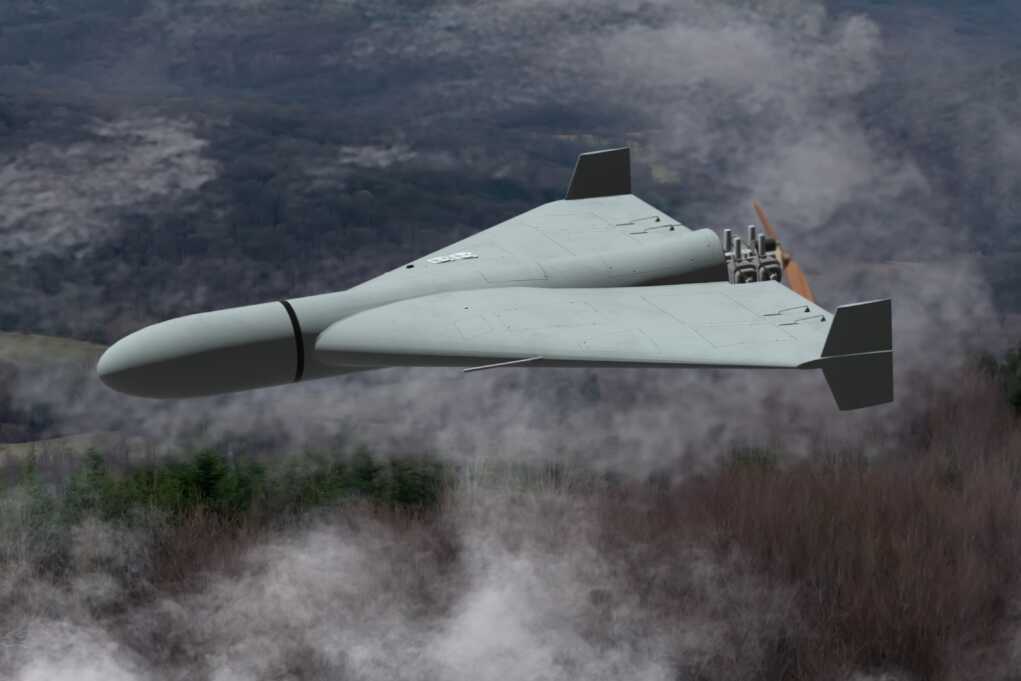
Ukraine’s security services and military say these strikes aim to choke off money and fuel that help Moscow wage war. Ukrainian officials argue that tankers used to dodge sanctions are legitimate military targets because they fund and feed the conflict, and that many were trying to deliver fuel to Crimea. A Ukrainian account said drones with large warheads hit a lead tanker’s storage area, causing heavy fires and chaos across a convoy in the Sea of Azov, disrupting movement and forcing delays. These claims underscore a strategy that mixes military and economic pressure.
President Vladimir Putin has admitted trouble in Russia’s oil sector from recent Ukrainian strikes, noting fuel strains and transport headaches linked to these attacks. That public admission matches reports of growing pressure on supply lines and terminals. Together, the claims and the shutdown suggest Russia seeks to secure routes while it regroups. But the stoppage also affects civilian trade, which raises costs and ripple risks for energy markets already stressed by conflict in the region and beyond.
What We Know, What We Do Not
Clear facts exist on several points: reported strikes on named vessels, Ukraine’s stated focus on sanction-dodging tankers, and Russia’s halt to canal and bridge-adjacent transits. Yet key gaps remain. No public, primary Russian decree formally spelling out the closure’s legal basis has surfaced in these sources, which rely on secondary reporting. Tally disputes also persist. Some videos and threads claim “over 70” ships hit, but confirmed figures in sourced summaries point to lower, time-bound counts. Independent audits would sharpen the picture.
A full vessel-by-vessel breakdown is missing. There is no open manifest list proving that every targeted ship carried military cargo, even as Ukraine links most targets to sanction evasion or fuel runs to Crimea. Insurance claims, satellite tracking, and third-party maritime security assessments could verify which ships were damaged, what they carried, and how closures changed routing. Until then, the debate over “civilian disruption” versus “military necessity” continues without firm totals or a clear cargo profile.
Why This Matters To American Families
Energy and shipping shocks hit American wallets. When routes close, costs rise from the Black Sea to the gas pump at home. That squeeze lands hardest on working families and seniors on fixed incomes. Ukraine says it is hitting Russia’s war economy. Russia says it must secure routes. Either way, bad actors exploit chaos, and markets react. America needs strong energy policy, steady drilling and refining at home, and a secure supply chain so foreign crises do not set our prices on fire.
Everything the American bully said has turned out the opposite, and every plan they made has backfired. Now they’re stuck and helpless, not knowing what to do. They started a mess they can’t clean up and launched a destructive game that, no matter how they try to end it, will… https://t.co/QS1mNBI1Dn
— Dr.Ata_Mhm (@mhm_ata) July 9, 2026
Washington should push for clear lanes for civilian traffic, tougher tracking of sanction-dodging fleets, and real-time transparency on closures. That means pressing for public notices, satellite-verified routing data, and independent damage checks. It also means rejecting globalist energy games that leave us exposed. A stable, American-led energy base protects families from shock pricing and keeps our military and allies supplied. Peace through strength starts with energy security, honest data, and open sea lanes where civilians are not pawns.
Sources:
redstate.com, youtube.com, linkedin.com, pravda.com.ua, upstreamonline.com