
Four New York Times reporters now face federal subpoenas simply for asking if President Trump’s Qatari‑gifted Air Force One is truly battle‑ready, turning a technical security fight into a direct test of press freedom and presidential safety.
Story Snapshot
- The Qatari Boeing 747‑8 “bridge” Air Force One may lack key missile‑defense and hardened communications systems, according to multiple expert reports.
- President Trump briefly switched back to the older VC‑25A when leaving Turkey, with some accounts citing Secret Service security concerns linked to Iran.
- The Air Force and White House insist the retrofitted jet is “safe, secure, and state‑of‑the‑art,” but have released no detailed upgrade list.
- The Trump Justice Department subpoenaed four New York Times reporters after they exposed alleged security gaps, raising alarms about government overreach against the media.
Qatar’s Luxury Jet Becomes America’s Interim Air Force One
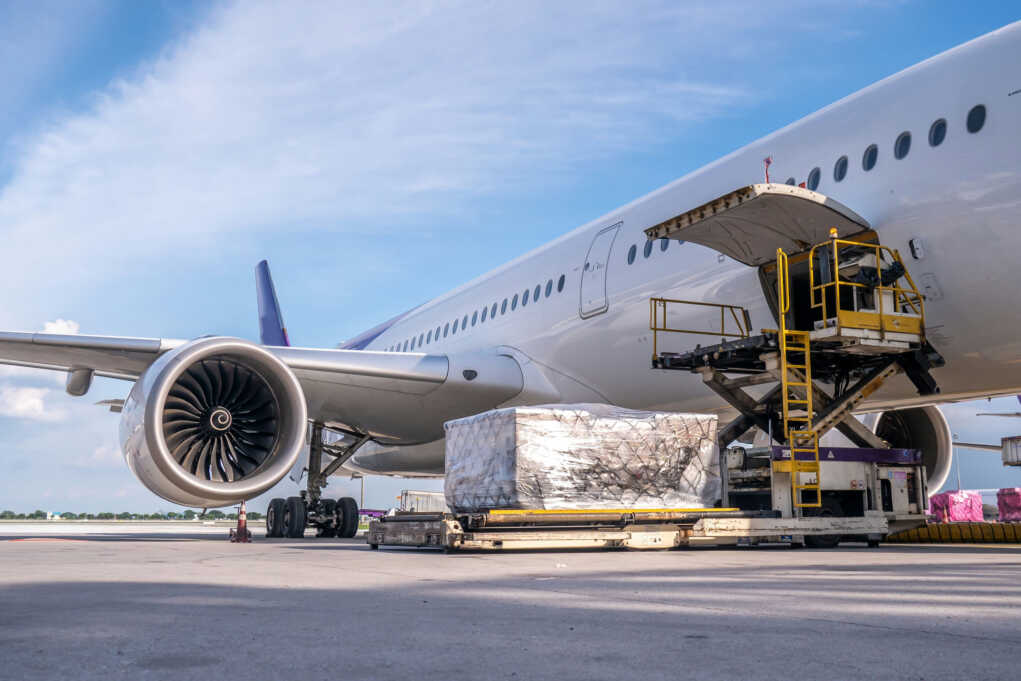
President Trump accepted a $400 million Boeing 747‑8 that once flew Qatar’s royal family, turning it into a temporary Air Force One while the new standard fleet is delayed. The administration argues this saves money and speeds up getting a newer jet, since Boeing’s official replacements may not arrive until near or after 2029. The White House says the gift goes to the United States government, not Trump personally, to avoid emoluments clause problems and normal gift limits for federal officials.
Air Force officials describe this “VC‑25B Bridge” jet as fully safe for the presidential mission after a fast retrofit. They say teams stripped the aircraft down to cables to search for hidden foreign devices and then added American systems. Air Force Secretary Troy Meink claims every mission requirement was “meticulously evaluated” and that no tradeoffs were made on security, safety, or core communications, only on “less commonly used mission sets,” a phrase critics find vague.
Serious Questions About Missile Defense And Secure Communications
While the Pentagon talks up safety, open‑source reporting paints a more troubling picture of what is missing from the Qatari jet. Public descriptions of the VC‑25B Bridge say it lacks some advanced antimissile capabilities that exist on the older VC‑25A fleet, including high‑end infrared missile countermeasures. Former Air Force Secretary Frank Kendall has warned that if a president wants a “luxury flying palace” fast, he can waive some hardened features, and nobody can force him to accept the full protection package.
Security experts quoted by major outlets describe specific gaps, not just general worries. A retired Marine Corps colonel told CNN the Qatari‑based plane was converted quickly and cheaply, missing infrared missile defenses, electronic warfare tools, chaff and flare systems, and strong protection against electromagnetic pulse attacks. Analyst Becca Wasser said the rushed retrofit left weaknesses in survivability and secure communications, including incomplete missile detection and limited ability to ride out the worst‑case nuclear scenarios.
The Turkey Plane Swap And Conflicting Stories
The security debate exploded after Trump’s trip to the NATO summit in Ankara, Turkey, where he arrived on the new Qatari jet but left on the older VC‑25A. The New York Times, citing people briefed on the decision, reported that the switch happened at the urging of the Secret Service as a security precaution because of rising tensions with Iran and the new plane’s missing defensive features. Those sources said the bridge jet simply does not yet match the hardened profile of the long‑serving VC‑25A.
President Trump flatly denies that security drove the change, telling reporters there were “no issues” and saying the swap was made so base personnel in England could see the new aircraft. The White House communications office backs that line, calling the new plane “state‑of‑the‑art” and fitted with high‑level security protocols. Yet neither the Air Force nor the Secret Service has released a technical checklist that proves systems like top‑tier missile defenses and fully encrypted nuclear command links are actually on board, leaving everyday Americans asked to take “trust us” on faith.
DOJ Subpoenas Reporters And The Fight Over Transparency
The most alarming turn for many conservatives is not just the plane’s hardware but how the government is treating people who question it. After the New York Times reported on the Turkey swap and quoted unnamed sources about missing countermeasures, the Trump Justice Department issued subpoenas to four of the paper’s reporters. Officials frame this as a leak investigation tied to national security, but the practical effect is to scare off whistleblowers and journalists who dig into what protects the commander in chief.
Trump subpoenas journalists over Qatari Air Force One reporting
https://t.co/yRpMOVaWQ9 via @scmpnews Subpeonas for what? The whole country should be questioned then. Obviously Trump switched for a reason and it wasn't for troops to 'tour' the plane. We aren't stupid.— Truth Partisan (@TruthPartisan) July 12, 2026
Senator Andy Murphy, a Democrat from Connecticut, has his own angle, pressing the Air Force and defense contractor L3Harris for full details on the retrofit costs and security work. His letter estimates about $1 billion is needed to strip down the Qatari jet, add encrypted communications, and build up defenses, and warns that rushing upgrades for a luxury interior could create “real national security concerns.” Conflicts of interest also worry critics since the jet is expected to move to the Donald J. Trump Presidential Library Foundation after he leaves office, making it part of his legacy.
What Patriots Should Watch For Next
For constitutional conservatives, two questions matter most here. First, does the president’s plane truly have the best defenses America can build, including advanced antimissile systems and fully hardened communications in a world where Iran already calls Trump its top target? Second, is the federal government using leak probes and subpoenas to punish reporters who raise good‑faith security concerns, weakening the free press that helps hold powerful people to account?
Key fixes are clear and simple. The Air Force could release a non‑classified upgrade checklist showing which missile defenses, electronic warfare systems, and hardened communication lines are installed on the VC‑25B Bridge. Congress could demand independent audits by outside aviation security experts to test survivability. Until then, the public is stuck between anonymous warnings and official spin. That is no way to run presidential security in a dangerous world or to respect the First Amendment that protects every American’s right to know.
Sources:
military.com, nationalreview.com, thehill.com, bbc.com, abcnews.com, youtube.com, reddit.com, facebook.com, esd.whs.mil, murphy.senate.gov, airandspaceforces.com, forbes.com, whitehouse.gov, instagram.com