Trump’s last-minute cancellation of U.S. envoys headed to Pakistan for Iran peace talks signals a hard pivot from “process” to leverage—and it could determine whether this war drags on or narrows toward a deal.
Quick Take
- President Trump canceled Steve Witkoff and Jared Kushner’s planned trip to Islamabad as they prepared to fly, saying too much time was being wasted and Iran’s leadership was in disarray.
- The White House had described the trip as “direct talks,” but Iran insisted no direct U.S.-Iran meetings were scheduled during Foreign Minister Abbas Araghchi’s Pakistan visit.
- Pakistan’s role as mediator remains uncertain after Araghchi held lengthy meetings in Islamabad and then departed for Oman without a clear breakthrough.
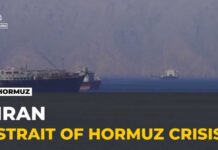
- The diplomatic freeze raises the risk of renewed escalation around the Strait of Hormuz, a chokepoint critical to global oil flows.
Trump pulls the plug as envoys prepare to depart
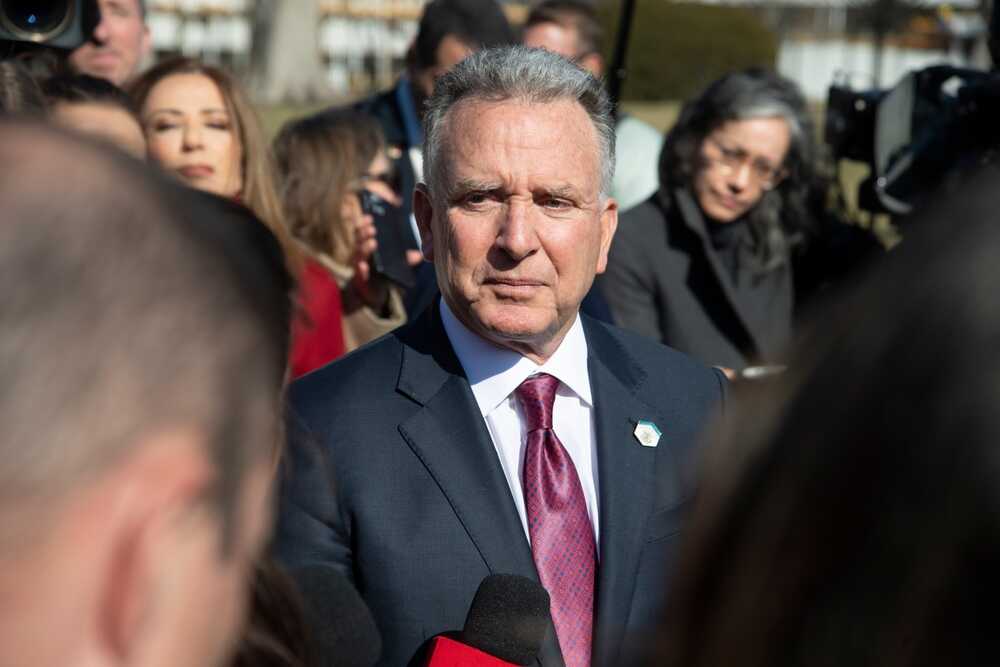
President Donald Trump abruptly canceled a planned Saturday trip by special envoy Steve Witkoff and senior adviser Jared Kushner to Islamabad, Pakistan, where a second round of peace talks connected to Iran was expected. Trump said the effort was no longer worth the time, arguing that too much had been wasted and that Iranian leadership infighting made progress unlikely. He also emphasized U.S. negotiating advantage, saying America held the cards if Iran truly wanted to talk.
The cancellation came after the White House had publicly framed the trip as part of a push for direct engagement aimed at a “lasting peace deal.” Timing mattered: the decision landed as the envoys were preparing to travel, and it followed earlier signs of delay, including the postponement of Vice President JD Vance’s anticipated second-round visit. The result is a public reset that puts the burden back on Tehran to signal seriousness through action.
Iran disputes the “direct talks” framing, complicating the narrative
Iran’s position, as reported, undercut the White House message that direct U.S.-Iran talks were on the agenda in Islamabad. Iranian officials said Foreign Minister Abbas Araghchi’s trip was focused on bilateral discussions with Pakistan, including conveying Iran’s conditions and reservations about proposals to restart negotiations. That dispute over what was actually scheduled is more than semantics: it reveals how fragile the channel was, and how easily diplomacy collapses when each side claims the other is misrepresenting the plan.
Araghchi arrived in Islamabad and held roughly 20 hours of meetings with Pakistani leadership, including Prime Minister Shehbaz Sharif, before departing for Oman. Reports described the Pakistan meetings as “fruitful,” but there was no announced breakthrough tied to U.S. demands for direct engagement. With no rescheduling announced after Trump’s cancellation, the immediate outlook is a stalemate—one in which both sides appear to be testing who will blink first, and Pakistan’s mediator role faces a credibility stress test.
Pakistan’s mediator role highlights a wider trust problem
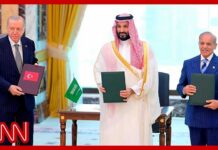
Pakistan’s emergence as a host for U.S.-Iran diplomacy is unusual and points to how narrow the list of workable intermediaries has become. Islamabad can convene meetings, provide security, and carry messages, but it cannot force either side to compromise. That limitation becomes more pronounced when Washington advertises “direct talks” and Tehran insists the meetings were never meant to be direct. For Americans already skeptical of bureaucratic theater, this episode looks like a case study in process outrunning results.
Why the cancellation matters to energy prices and U.S. leverage
The talks unfolded against the backdrop of major U.S.-Israeli combat operations against Iran that began February 28, striking military, government, and infrastructure targets. In that context, Trump’s cancellation reads as a decision to preserve leverage rather than spend political capital on talks that may not have been genuinely teed up. The most immediate practical risk is escalation around the Strait of Hormuz, a critical corridor for global oil shipments where disruptions can quickly pressure prices.
For many voters—right and left—this is also about confidence in whether government can execute clear strategy instead of mixed signals. Conservatives tend to favor credible deterrence, defined objectives, and energy stability at home. Liberals often worry about humanitarian fallout and broader inequality effects from higher costs. With negotiations stalled and messaging contested, the common frustration is familiar: officials can announce big initiatives, but if basic facts like “are these direct talks?” aren’t aligned, the public is left paying the price.
Bombshell Report on Iran's Damage to US Bases…
'Far Worse' Than Publicly Known…
Peace talks cancelled…— Citizen Watch Live (@Citizenwatchrep) April 26, 2026
For now, the central unanswered question is simple: does Iran “call,” as Trump suggested, and accept a format Washington will recognize as real negotiations—or does the war’s momentum keep pushing events faster than diplomats can manage? The research available so far does not show a new meeting date, only a collapse in the planned travel and continued disagreement over what was supposed to happen in Islamabad. Until that changes, markets, allies, and American families remain stuck in limbo.