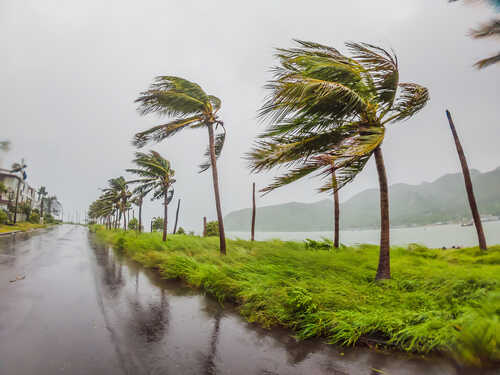
Hurricane Melissa’s devastation in Haiti underscores the urgent need for robust disaster response and infrastructure improvements in vulnerable Caribbean nations.
Story Highlights
- At least 25 people confirmed dead in Haiti due to Hurricane Melissa’s destruction.
- Massive flooding and high winds have caused widespread damage across multiple Caribbean islands.
- Aid agencies are mobilizing to provide urgent relief, but logistical challenges persist.
Hurricane Melissa’s Path of Destruction
As Hurricane Melissa swept through the Caribbean, it left a wake of destruction in its path. The storm, described as one of the most powerful to hit the region, brought sustained winds exceeding 185 mph. In Haiti, at least 25 individuals have lost their lives, and the death toll is expected to rise. The storm’s rapid intensification caught many off guard, exacerbating the already vulnerable conditions in the region.
The hurricane’s impact has been catastrophic, not only in Haiti but also in Jamaica, Cuba, and the Bahamas. Entire neighborhoods have been decimated, with tens of thousands displaced. The devastation in Jamaica is particularly notable, as it experienced the strongest storm on record. This disaster highlights the urgent need for international aid and robust disaster response systems in these vulnerable nations.
🌀 Powerful Hurricane Melissa claimed At least 30 lives in the Caribbean
➡️ Melissa caused the La Digue River to overflow, resulting in flooding in southern Haiti, killing 25 people
➡️ Jamaica, also hit by Melissa, has evacuated approximately 25,000 people to shelters… pic.twitter.com/h5OW7hhy7j
— Anadolu English (@anadoluagency) October 30, 2025
Challenges Facing Relief Efforts
With widespread destruction and flooding, relief efforts in Haiti and other affected areas face significant challenges. Aid agencies like the Red Cross and Médecins Sans Frontières are on the ground, mobilizing resources to offer emergency relief. However, access to remote areas remains limited due to debris and flooding, complicating the distribution of essential supplies.
The Haitian government, already strained by ongoing political and economic challenges, has declared a state of emergency. This highlights the critical role of international support in disaster response. Coordination between local and international actors is crucial but often hampered by logistical and political barriers, underscoring the need for improved infrastructure and preparedness strategies.
Watch: Hurricane Melissa devastation revealed in satellite imagery
Implications for the Future
The aftermath of Hurricane Melissa presents both immediate and long-term challenges for the Caribbean. In the short term, there is an urgent need for food, water, and medical aid. Long-term, the region faces economic setbacks, increased poverty, and the potential for disease outbreaks due to compromised infrastructure.
As residents rebuild their lives, the focus must shift to enhancing disaster preparedness and infrastructure resilience. This includes investing in climate adaptation strategies and early warning systems to mitigate future disasters. The international community’s support in these efforts is vital for the Caribbean’s recovery and future sustainability.
Sources:
CBS News: Hurricane Melissa’s devastating, deadly destruction leaves …
NBC Washington: Hurricane Melissa aftermath in Cuba, Jamaica, and Haiti