
The U.S. military’s aggressive new strategy in the Pacific has resulted in the elimination of 14 alleged narco terrorists.
Story Snapshot
- U.S. military strikes on four drug-laden vessels in the Eastern Pacific.
- Operation led by Defense Secretary Pete Hegseth, killing 14 alleged “narco terrorists.”
- Strikes conducted with international coordination, involving Mexican rescue teams.
- Policy shift towards routine military operations against drug trafficking infrastructure.
U.S. Military Intensifies Operations in the Pacific
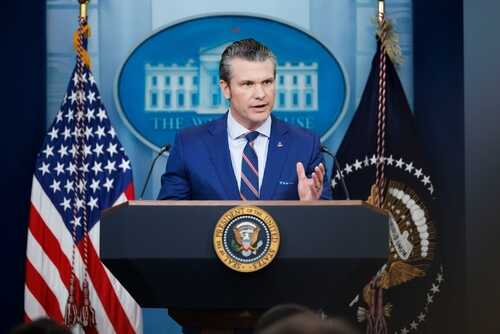
On October 28, 2025, the U.S. military executed a targeted operation against four vessels suspected of drug trafficking in the Eastern Pacific Ocean. Defense Secretary Pete Hegseth announced this strategic move, which resulted in the deaths of 14 individuals labeled as “narco terrorists.” This operation signals a significant escalation in the U.S. military’s commitment to counter-narcotics efforts in maritime regions.
The operation involved three separate strikes across the four vessels, highlighting a coordinated approach to dismantling drug trafficking infrastructure. The U.S. military’s actions reflect a broader strategy to combat illicit drug routes that have increasingly utilized the Eastern Pacific as a transit zone for narcotics bound for North American markets.
Watch: Trump Administration Strikes “Drug Boats” In Pacific, Killing At Least 14 | Firstpost Live | N18G
International Coordination and Impact
Mexican search and rescue teams played a crucial role in the aftermath, coordinating closely with U.S. forces to recover a known survivor. This cooperation underscores the importance of international partnerships in addressing transnational security threats such as drug trafficking. The U.S. military’s superior capabilities allow for decisive actions that disrupt criminal networks, sending a clear message to drug cartels operating in the region.
The characterization of these targets as “narco terrorists” rather than mere smugglers marks a shift in rhetoric, aligning with a militarized approach to drug policy. This strategy may deter future trafficking attempts, although its long-term effectiveness remains uncertain. Concerns about maritime safety and rules of engagement have been raised, as military operations continue to intensify.
Policy Implications and Future Operations
Defense Secretary Hegseth has indicated that such military operations will become a daily occurrence, suggesting a sustained campaign to pressure drug trafficking networks. This policy shift reflects a commitment to leveraging military resources to achieve significant reductions in drug flow through maritime routes.
The potential for increased maritime security concerns and questions about civilian harm prevention remain as the U.S. military continues its operations. Regional governments must navigate the complexities of security cooperation while ensuring the safety of their maritime environments.
Sources: