A new policy threatens to restrict Iranian diplomats’ access to wholesale stores, raising alarms among conservative watchdogs.
Story Snapshot
- The Trump administration is weighing restrictions on UN diplomats’ access to wholesale stores in NYC.
- Targeted countries include Iran and Sudan, with movements and privileges potentially curtailed.
- US lawmakers are pressing for stringent measures against perceived adversaries during the UNGA.
- Critics argue these actions could undermine US diplomatic credibility and legal obligations.
New Diplomatic Restrictions Under Consideration
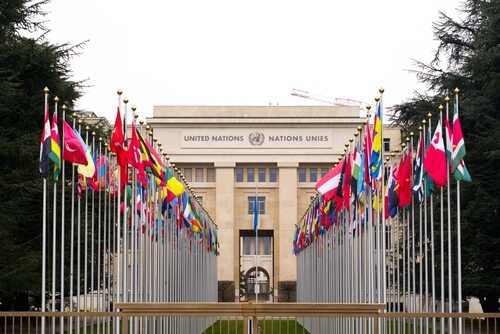
The Trump administration is reportedly considering new measures to restrict the movements and privileges of foreign diplomats at the United Nations. This initiative, specifically targeting delegations from Iran and Sudan, could see diplomats’ access to facilities like wholesale stores limited. This action is part of broader efforts to leverage US control over UN host privileges as a foreign policy tool, especially against countries accused of human rights abuses or supporting terrorism.
The Trump administration may restrict foreign diplomats at the UN, including banning Iranian officials from wholesale stores. https://t.co/jyca9FGznP
— Newsweek (@Newsweek) September 5, 2025
Historical Context and Previous Incidents
The US, as host country to the UN headquarters, has long held the right to regulate the entry and movement of foreign diplomats. Typically, access is granted unless national security concerns arise. The Trump administration has previously used visa restrictions as a diplomatic tool, notably with travel bans on predominantly Muslim countries. In 2019, the US denied visas to several Iranian officials, a precedent that supports the current discussion on restricting diplomats’ access to wholesale facilities.
In recent years, tensions with Iran have intensified, marked by the US withdrawal from the Iran nuclear deal and subsequent sanctions. With the annual UN General Assembly in New York drawing numerous foreign officials, the ability to control access becomes a significant diplomatic tool, albeit one subject to international scrutiny.
Watch:
Implications and Reactions
Short-term implications of these proposed restrictions include disrupting diplomatic activities for targeted countries during the UNGA, potential retaliation, and increased diplomatic tensions. Long-term, these actions could erode the US’s reputation as a neutral host and set a precedent for future host countries to impose similar restrictions. The economic impact could be felt by New York businesses, particularly wholesale stores frequented by diplomats.
Critics warn that these measures may violate the spirit of the UN Headquarters Agreement, potentially damaging US credibility and the efficacy of international organizations. Supporters argue the restrictions are a necessary response to security threats and human rights concerns. The administration’s actions draw a mixed response, with some US lawmakers advocating for harsher measures while others caution against diplomatic fallout.
Sources: