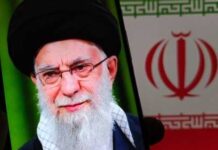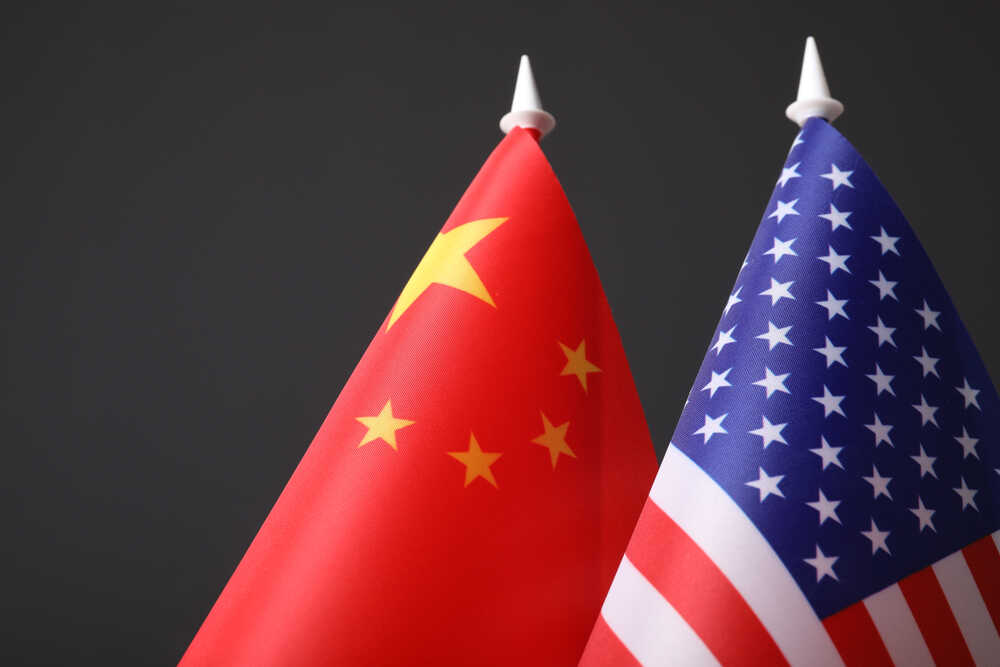
Marco Rubio pleads with China to diplomatically engage with Iran to prevent global chaos as tensions threaten the Strait of Hormuz and energy stability.
At a Glance
- U.S. Secretary of State Marco Rubio called on China to intervene in Iran’s potential closure of the Strait of Hormuz.
- Iran’s parliament proposal to close the strait awaits the supreme council’s decision.
- 20% of global oil passes through this critical maritime route.
- Recent U.S. military actions against Iranian nuclear facilities increased oil prices.
Critical Diplomatic Plea
Marco Rubio’s urgent appeal to China comes at a time when global energy markets teeter on the brink of chaos. China imports more Iranian oil than any other nation and holds a solid alliance with Tehran. Rubio’s strategy hinges on using this leverage to keep the Strait of Hormuz open for energy transport. Without China’s diplomatic intervention, the risk of a major disruption in the global oil supply is imminent, and as the oil price hovers at a five-month high, the stakes have never been greater.
While China has been quick to criticize U.S. military interventions, they remain silent on their responsibility in maintaining regional stability. China’s UN Ambassador, Fu Cong, urged all involved parties to avoid further escalation. However, the ultimate question remains whether Beijing will take Rubio’s warnings to heart and prevent Iran from disrupting this vital maritime route.
Potential Economic Catastrophe
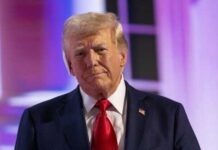
Iran’s threat to close the Strait of Hormuz could spark an economic catastrophe. Former President Donald Trump has also weighed in, using social media to advocate for keeping oil prices down and warning that the current trajectory only benefits adversaries. A move to close this waterway would affect not just the Middle East but Asia’s largest economies, including India, Japan, and South Korea, all heavily reliant on its oil shipments.
“EVERYONE, KEEP OIL PRICES DOWN. I’M WATCHING! YOU’RE PLAYING RIGHT INTO THE HANDS OF THE ENEMY. DON’T DO IT!” – Donald Trump.
There’s no denying the economic fallout would be severe. Not only would oil prices inflate further, adding pressure to inflation, but economies already bearing the brunt of struggling post-pandemic recoveries could find themselves on their knees. It’s no surprise Rubio called potential strait closure “economic suicide,” a term that’s no exaggeration given the dire geopolitical and economic consequences.
China’s Dilemma
Despite accusing the U.S. of escalating tensions, China stands at a crossroads. They either seize the diplomatic high ground by working with Iran or risk geopolitical instability that could ripple through their economy. China’s Global Times warns that U.S. involvement in Iran could lead to a Middle East conflict that spirals out of control. The clock is ticking, and every actor’s decision in the coming days will significantly influence the fate of international energy markets.
“I urge Beijing to reach out to Iran since they rely significantly on these shipping lanes for their energy needs.” – Marco Rubio.
As leaders grapple with this complex situation, it becomes increasingly apparent: The time for diplomatic engagement is now, or we risk plunging into a crisis affecting not just oil prices but global economic stability.