

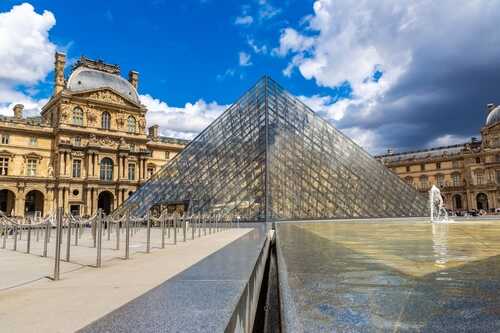
Louvre Museum workers have launched strike action following a brazen $102 million daylight heist that exposed catastrophic security failures at France’s most prestigious cultural institution.
Story Highlights
- Professional thieves stole French Crown Jewels worth $102 million in under eight minutes during museum hours
- Workers demand enhanced security measures and adequate staffing after criminals penetrated galleries with power tools
- Strike action targets institutional accountability and staff safety concerns following unprecedented security breach
- Four additional suspects arrested as most stolen jewels remain missing despite international manhunt
Unprecedented Security Breach Sparks Labor Action
The October 19, 2025 heist at the Louvre’s Apollo Gallery represents an alarming failure of institutional security that has rightfully triggered worker outrage. Professional criminals forced entry through a window during public hours, used disc cutters and power tools to smash display cases, and escaped via freight elevator to waiting scooters—all within eight minutes. This brazen operation targeting Napoleon-era crown jewels including Empress Marie-Louise’s emerald necklace demonstrates how inadequate security protocols endangered both priceless cultural heritage and museum staff who work in these vulnerable conditions daily.
Museum workers’ strike demands center on legitimate safety concerns after witnessing how easily armed criminals penetrated supposedly secure galleries. The theft of eight pieces of French Crown Jewels valued at approximately 88 million euros exposes systemic vulnerabilities that put employees at risk. Staff unions correctly argue that tourism revenue and political ambitions have outpaced investment in core security infrastructure, leaving workers to face potential criminal threats without adequate protection or resources.
Watch:
Government Response Falls Short of Real Solutions
President Emmanuel Macron’s characterization of the heist as “an attack on a heritage we cherish” rings hollow when his administration failed to properly fund museum security in the first place. Director Laurence des Cars’ Senate testimony promising “security reviews and upgrades” represents typical bureaucratic deflection rather than immediate action to address worker safety concerns. The Culture Ministry’s oversight of national museums has clearly prioritized public relations over practical security measures, leaving staff vulnerable to criminal gangs equipped with professional tools and detailed operational knowledge.
French authorities’ emphasis on forensic traces and international cooperation through Interpol, while important for prosecution, does nothing to address the fundamental security gaps that enabled this unprecedented breach. The Apollo Gallery remains closed for forensic work, but workers rightfully question whether promised upgrades will materialize or simply amount to cosmetic changes designed to restore public confidence without addressing underlying staffing and resource inadequacies.
Strike Demands Reflect Common Sense Security Priorities
Workers’ demands for enhanced physical barriers, adequate staffing levels, and real consultation on security policies represent basic workplace safety requirements that any responsible institution should provide. The fact that criminals could operate power tools for eight minutes in a supposedly high-security environment reveals shocking negligence in both technology and human resource allocation. Museum staff deserve assurance that their workplace won’t become a target for armed criminal gangs seeking to exploit obvious vulnerabilities in France’s cultural crown jewel.
Workers at the Louvre Museum have voted for strikes to protest their working conditions, a ticket-price hike for non-European visitors and security weaknesses that a brazen daylight theft of France’s Crown Jewels highlighted in October. https://t.co/GSAfHcAq0Q pic.twitter.com/gxwXKdKyG8
— ABC News (@ABC) December 8, 2025
The Louvre’s status as the world’s most visited museum makes worker safety concerns even more pressing, as inadequate security threatens both employees and millions of international visitors. Only Empress Eugénie’s emerald-set imperial crown has been recovered—found damaged and discarded—while most stolen pieces remain missing despite four additional arrests of suspects aged 31-40. This ongoing criminal investigation underscores how institutional failures have real consequences that extend far beyond administrative embarrassment to encompass worker safety and cultural preservation.
Sources:
Louvre jewelry heist: Paris prosecutor reports 4 more arrests in connection to robbery