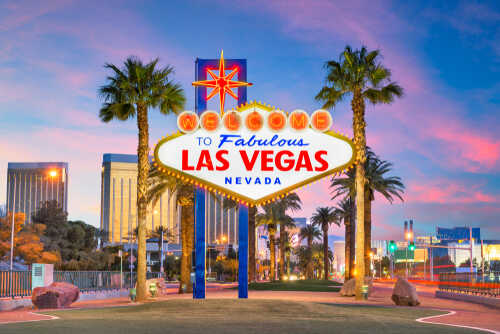
Las Vegas casino executives are scrambling to adapt dining strategies as tourism plummets 11% and visitors abandon the city’s once-famous cheap buffets for higher-end experience.
Story Snapshot
- Las Vegas tourism dropped 11.3% in June 2025, with international visitors down 13%
- Casino CEOs report dining habits shifting from budget buffets to premium experiences
- Trump administration tariffs and immigration policies blamed for deterring Canadian and Mexican tourists
- Rising prices and inflation force casinos to abandon Vegas’s traditional value proposition
Tourism Numbers Reveal Alarming Decline
Las Vegas visitor volume crashed to just under 3.1 million in June 2025, marking an 11.3% year-over-year decline that has sent shockwaves through the hospitality industry. International visitors suffered the steepest losses at 13%, with Canadian arrivals plummeting 21.5% according to WestJet passenger data. Hotel occupancy rates fell approximately 15%, creating widespread concern among casino operators and tourism officials about the city’s economic future.
The Las Vegas Convention and Visitors Authority attributes this dramatic downturn to multiple factors, including federal tariffs, immigration crackdowns, and rising operational costs. Mayor Shelley Berkley bluntly stated that Canadian and Mexican tourism has “dried up,” while LVCVA President Steve Hill directly linked the decline to strained international relations under current federal policies.
The city known for lavish shows, endless buffets and around-the-clock gambling welcomed just under 3.1 million tourists in June, an 11% drop compared to the same time in 2024.
READ MORE: https://t.co/9FJgVc5p8L pic.twitter.com/dOKaaoxb4e— Las Vegas Review-Journal (@reviewjournal) August 19, 2025
Casino CEOs Adapt to Changing Consumer Preferences
Derek Stevens, CEO of Circa Resort & Casino, reveals that dining habits are fundamentally shifting as visitors seek premium experiences over traditional budget options. The era of cheap buffets that once defined Las Vegas’s value proposition is ending, replaced by upscale dining venues that cater to guests willing to pay higher prices for quality experiences. This transformation reflects broader economic pressures forcing casinos to increase prices while maintaining profitability.
Industry leaders acknowledge that rising labor costs from recent Culinary Workers Union negotiations, combined with inflation, have made the old business model unsustainable. Casinos are now targeting affluent customers who view dining as entertainment rather than budget-conscious visitors seeking inexpensive meals. This strategic pivot represents a permanent departure from Vegas’s historical appeal as an affordable destination for middle-class Americans.
Watch: Las Vegas feels the hit as international tourism drops across the US
Federal Policies Create Economic Headwinds
Ted Pappageorge, secretary-treasurer of the Culinary Workers Union representing 60,000 hospitality workers, directly blames what he calls the “Trump slump” on federal immigration and tariff policies. These measures have created barriers for international visitors, particularly from Canada and Mexico, who traditionally contributed disproportionately to Las Vegas’s tourism revenue despite representing smaller visitor numbers.
Economic analyst John Restrepo from RCG Economics points to broader consumer confidence issues and economic uncertainty as contributing factors. The combination of federal policy changes and domestic economic pressures has created a perfect storm that threatens Las Vegas’s recovery trajectory. Union representatives warn that continued declines could lead to significant job losses and reduced hours for hospitality workers throughout the region.
Sources:
Las Vegas tourism: Blame Trump’s tariffs, immigration crackdown? – ABC News
Las Vegas Tourism Trump Slump – TIME
The whole town is slower: Las Vegas economy hits the brakes – Las Vegas Review-Journal
What Las Vegas Tourism Decline May Mean for US Travel Industry – TravelPulse
Las Vegas tourism decline recession economy gambling high prices – Business Insider