
A recent military operation in the Pacific raises questions about the limits of executive power and the future of America’s war on drugs.
Story Snapshot
- US military strikes on December 15, 2025, killed eight in the Pacific Ocean.
- The boats were linked to narcotics trafficking by “designated terrorist organizations.”
- No public evidence of contraband was presented, fueling legal debates.
- Operation Southern Spear continues with heightened scrutiny from Congress.
Trump Administration’s Aggressive Anti-Drug Campaign
The Trump administration has intensified its campaign against narcotics trafficking by designating drug cartels as terrorist organizations. This reclassification allows for military interventions without traditional judicial oversight. The most recent strikes, carried out on December 15, 2025, targeted three small boats in the eastern Pacific Ocean, resulting in eight fatalities. These vessels were suspected of supporting drug trafficking operations. The strikes form part of Operation Southern Spear, led by US Southern Command (SOUTHCOM).
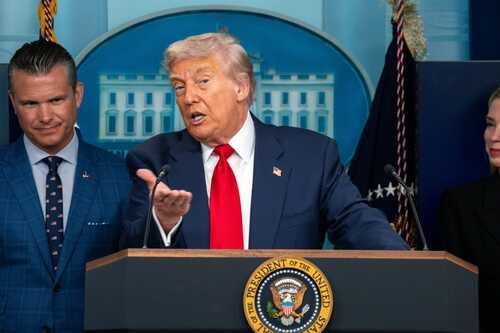
SOUTHCOM, directed by Secretary of War Pete Hegseth, announced the strikes shortly after execution. Despite their claims, no tangible evidence of drugs or weapons has been provided to the public. The operation’s legality has been questioned by some lawmakers, who argue that these actions could constitute a breach of international law. This situation highlights the ongoing tension between national security priorities and legal norms.
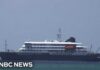
Watch:
Legal and Political Implications
The recent strikes have reignited debate over the legal framework used to justify military actions against drug trafficking. By labeling cartels as terrorist organizations, the Trump administration has expanded the scope of military operations. Critics, including Congressional Democrats and international legal experts, have raised concerns about the lack of transparency and judicial oversight in these operations. They argue that unverified killings in international waters risk setting a dangerous precedent.
In response, the administration maintains that these measures are necessary to stem the flow of narcotics into the United States. However, the lack of visible contraband or weapons in these operations fuels speculation and criticism from both domestic and international observers.
Impact on US-Latin American Relations
The escalation of military actions in the Pacific could have significant implications for US-Latin American relations. The strikes are part of a broader pressure campaign targeting Venezuela, where the US has accused President Nicolas Maduro of colluding with drug cartels. The deployment of troops and a carrier strike group in the region underscores the seriousness of the US’s stance.
These developments could heighten regional tensions, potentially affecting diplomatic ties and economic relations. The US’s approach to counter-narcotics, shifting from law enforcement to military intervention, may deter traffickers or push them towards more covert methods, such as submarines or air drops. The broader implications of these actions continue to unfold as scrutiny from Congress and human rights organizations intensifies.
Sources:
US Strikes Three Boats in Pacific, Raising Legal and Evidentiary Questions
US Military Strikes Three More Boats in the Pacific Ocean, Killing Eight
US Military Strikes in the Pacific Ocean
Military Strikes in the Pacific Ocean