British teachers say a toxic online culture is bleeding into classrooms—and Parliament’s answer could end up expanding government control over speech without actually protecting kids.
Quick Take
- A peer-reviewed survey of 200 UK teachers found majorities reporting “extreme concern” that online misogyny is shaping student behavior, especially in secondary schools.
- Teachers described boys praising high-profile “manosphere” influencers and repeating misogynistic talking points toward female students and staff.
- UK lawmakers are debating aggressive responses, including proposals tied to an under-16 social media ban, while critics warn bans can push kids to darker, less accountable corners online.
- Government-backed media literacy reforms are planned, but the main curriculum changes are slated for 2028, leaving a near-term gap for parents and schools.
Teachers’ frontline reports: misogyny showing up in real school behavior
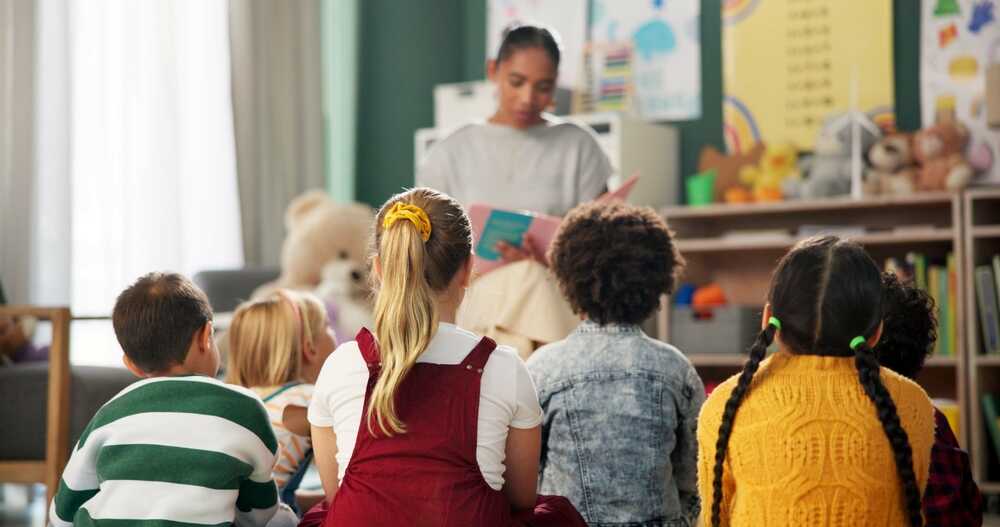
UK classrooms are becoming a real-world proving ground for the most extreme ideas kids absorb online. A February 2025 PLOS One study surveyed 200 teachers across primary and secondary schools and found large majorities “extremely concerned” about online misogyny influencing students. Teachers reported boys praising influencers such as Andrew Tate and echoing beliefs that degrade women. Some accounts included comments justifying violence against women and incidents that made female pupils fear attending school.
The study’s value is in what it captures: teachers describing behavior they are encountering daily, not just abstract “screen time” worries. The researchers emphasized that direct research on children and adolescents exposed to misogynistic content has been limited, even while educators report that the trend is intensifying. Notably, teachers didn’t frame the issue as a niche problem; many asked for practical tools to address it, including targeted classroom materials aimed specifically at online misogyny.
Algorithmic influence vs. parental authority and classroom order
UK reporting and education groups describe a wider trust problem that conservatives will recognize immediately: authority shifting away from parents and teachers and toward anonymous online personalities. One reported data point says roughly one in five pupils now use social media for GCSE revision, showing how deeply platforms have embedded themselves into learning habits. When students treat influencers as “teachers,” schools end up trying to compete with algorithm-driven content designed to provoke, addict, and monetize attention.
Child-safety research cited in the broader debate also points to scale. One estimate says 75% of UK children report some form of online harm, and the rate rises to 85% for vulnerable children, including those with special educational needs. Those figures don’t prove causation for misogyny specifically, but they do help explain why teachers say the online ecosystem is influencing school culture. Higher exposure hours mean more opportunities for extreme content to become “normal” among peers.
The policy fight: under-16 ban proposals collide with free-expression concerns
British lawmakers are now wrestling with whether the state should restrict access outright. Under the Children’s Wellbeing and Schools Bill, an under-16 social media ban proposal has moved through Parliament in a back-and-forth process. The House of Commons defeated a related Lords amendment on March 9, 2026 by a 307–173 vote, with the issue returning to the Lords later in March. The bill’s status shows the UK is not settled on the basic question: restriction, or resilience.
Digital-rights advocates argue bans can fail in predictable ways: minors migrate to less regulated services, enforcement becomes a cat-and-mouse game, and broader speech gets swept up in age-gating systems. Other policy analysts warn that “tech panic” responses repeat old mistakes, where broad restrictions get sold as child protection but wind up cementing more surveillance and centralized control. For American readers, the constitutional lesson is familiar: when government expands power in the name of safety, it rarely contracts later.
Media literacy is coming—late—and parents may be the immediate backstop
UK officials have also pushed media literacy as a longer-term answer, including plans to embed media and AI literacy more systematically in education, with curriculum elements expected from 2028. Advocates argue this approach helps kids recognize manipulation, propaganda, and degrading content without requiring blanket censorship. The downside is timing: teachers facing disruptions now say they need resources immediately, not years later, and there is little in the public record showing how quickly training and materials will reach classrooms.
For conservatives watching this from the U.S., the UK debate is a cautionary case study. Parents want children protected from corrosive content, but broad, government-enforced platform rules risk normalizing identity checks, speech policing, and bureaucratic control over what families can access. The research doesn’t support a simplistic “ban fixes it” storyline; it shows real behavioral problems in schools and a demand for effective tools. The durable fix likely starts closer to home: firm parental boundaries, transparent school discipline, and targeted education that reinforces respect and responsibility.
Sources:
https://phys.org/news/2025-02-teachers-extreme-online-misogyny-students.html
https://www.thetimes.com/uk/education/article/schools-alarmed-social-media-gcse-pw6qhrwbq
https://www.internetmatters.org/hub/research/government-improve-media-literacy-education-england/
https://neu.org.uk/latest/press-releases/state-education-2026-social-media?_locale=en