Trump’s aggressive naval blockade has slashed Venezuelan oil exports by 76%, finally choking off the cash flow that has kept Maduro’s narco-terrorist regime afloat for years.
Story Overview
- Venezuelan oil exports dropped to 702,000 barrels per day following Trump’s “total blockade” order
- Maduro’s regime evades sanctions using shadow fleets with false flags and doctored transponders
- China remains Venezuela’s top buyer at 613,000 barrels daily, ignoring U.S. sanctions
- Trump designated Cartel de los Soles as a Foreign Terrorist Organization, expanding prosecution powers
Trump’s Zero-Tolerance Blockade Strategy
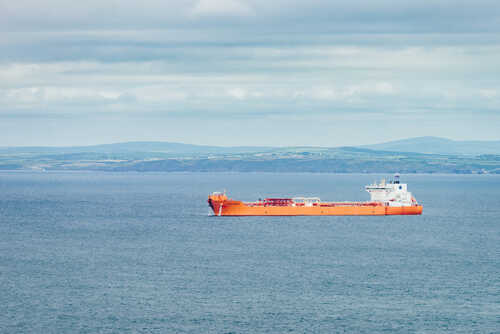
President Trump has implemented a “total and complete blockade” targeting sanctioned Venezuelan oil tankers, marking a dramatic escalation from Biden’s ineffective waiver system. The U.S. Navy’s Operation Southern Spear deployed the USS Gerald R. Ford and USS Iwo Jima to the Caribbean, resulting in 80+ narco-terrorist casualties. Treasury sanctions hit six additional tankers on December 10, while over 30 sanctioned vessels remain anchored near Venezuelan waters, creating an unprecedented enforcement campaign.
Watch:
Shadow Fleet Operations Exposed
Maduro’s regime has perfected sophisticated evasion tactics using a shadow fleet of retired tankers with false flags and manipulated tracking systems. These vessels transport Venezuela’s extra-heavy crude mixed with Russian naphtha diluents, disguising shipments to China, India, and other black-market buyers. The U.S. recently seized its first Venezuelan-crewed vessel, an unprecedented action that Venezuelan officials called “extraordinary escalation,” signaling Trump’s serious commitment to enforcement.
Chinese Energy Dependence Undermines Sanctions
Despite sanctions, China imported 613,000 barrels per day in November 2025, representing nearly two-thirds of Venezuela’s total exports. Chinese independent refiners purchase discounted Venezuelan crude while state-owned firms maintain plausible deniability. This arrangement allows Beijing to secure cheap energy while Maduro’s regime generates critical revenue. Russia supplies 419,000 barrels per day of naphtha diluents, enabling the continued flow of Venezuela’s heavy crude to global markets.
Biden’s Policy Loopholes Exposed Trump’s Challenge
The previous administration’s contradictory approach included General Licenses 41A and 41B, allowing Chevron to import 150,000 barrels daily under debt-for-oil arrangements. These carve-outs undermined broader sanctions while providing Maduro legitimacy and operational cover for expanded exports. Trump’s FTO designation of Cartel de los Soles closes these loopholes, enabling prosecution of any entity supporting the regime and eliminating the mixed messages that weakened previous enforcement efforts.
How Venezuela sends oil around the world despite sanctions — and why Trump wants to put a stop to it https://t.co/wOzDWAibF8 via @@yahooNewsUK
— David N (@DavidNStocks1) December 18, 2025
The Foundation for Defense of Democracies warns that Venezuelan oil exports directly fund regime oppression and recommends interdicting tankers bound for China to achieve meaningful impact. Trump’s blockade represents the first serious attempt to fully cut off Maduro’s energy revenue, though success depends on sustained enforcement against the regime’s adaptive shadow fleet operations.
Sources:
Sanctions during the Venezuelan crisis
Black market oil buyers will push Venezuela for bigger discounts following US seizure
Venezuelan Oil Exports Continued Despite U.S. Escalation in November
More than 30 sanctioned tankers in Venezuela
U.S. squeeze on Venezuela oil won’t create global crunch