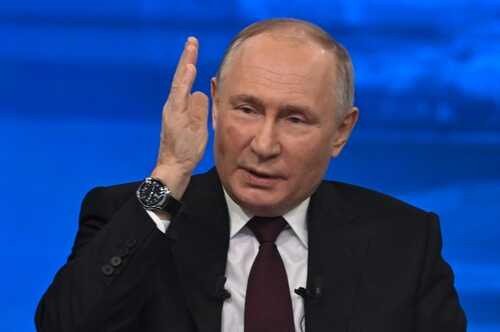
Trump’s groundbreaking diplomatic initiative invites Vladimir Putin to join his Gaza peace board.
Story Highlights
- Putin receives invitation to Trump’s multilateral “Board of Peace” for Gaza reconstruction
- Trump chairs comprehensive 20-point plan backed by UN Security Council resolution
- Board includes diverse international leaders transcending traditional Cold War divisions
- Initiative focuses on practical governance, security, and economic development over ideology
Trump’s Peace-First Diplomacy Breaks Conventional Boundaries
President Trump’s invitation to Vladimir Putin represents a refreshing departure from the diplomatic approaches that characterized previous administrations. The Kremlin confirmed Putin’s invitation to join Trump’s “Board of Peace” on January 19, 2026, alongside Italian Prime Minister Giorgia Meloni and Turkish President Recep Tayyip Erdogan. This bold move demonstrates Trump’s commitment to achieving actual results rather than maintaining superficial diplomatic protocols that have consistently failed to deliver peace.
The Board of Peace operates as the primary oversight mechanism for Trump’s Comprehensive Plan to End the Gaza Conflict, a detailed 20-point roadmap formally endorsed by UN Security Council Resolution 2803. Unlike previous Middle Eastern peace efforts that excluded key regional powers, Trump’s approach recognizes that sustainable peace requires participation from all stakeholders, regardless of current geopolitical tensions.
Watch:
Practical Governance Structure Prioritizes Results Over Politics
The Executive Board includes Secretary Marco Rubio, Jared Kushner, Sir Tony Blair, and other experienced figures overseeing specific portfolios including governance capacity-building, regional relations, and reconstruction financing. This structure reflects the administration’s focus on competent management rather than political symbolism. Major General Jasper Jeffers commands the International Stabilization Force, providing security foundations necessary for meaningful progress.
Dr. Ali Sha’ath leads the National Committee for the Administration of Gaza, focusing on restoring essential public services and rebuilding civil institutions. This practical approach addresses the fundamental needs of Gaza’s civilian population while establishing sustainable governance frameworks that can operate independently of external political pressures.
Strategic International Coalition Transcends Ideological Divisions
Trump’s willingness to include Putin alongside Western allies demonstrates strategic thinking that prioritizes peace outcomes over ideological purity. This approach recognizes Russia’s legitimate regional interests and potential contributions to Gaza’s stabilization, rather than allowing Cold War-era thinking to obstruct progress. The administration’s commitment to “working in close partnership with Israel, key Arab nations, and the international community” reflects comprehensive diplomatic engagement.
Putin invited to Trump’s Gaza ‘Board of Peace’: Kremlin https://t.co/29chSZCpoo
— Emi Yamin/Urmah -Tesla 7_369 (@369Urmah17) January 19, 2026
The multilateral framework positions the United States as the leading coordinator while distributing responsibilities among international partners based on their capabilities and interests. This structure reduces American financial burden while ensuring broad international investment in the peace process’s success, a marked improvement over previous unilateral approaches that failed to achieve lasting results.
Sources:
Statement on President Trump’s Comprehensive Plan to End the Gaza Conflict
Putin invited to Trump’s ‘Board of Peace’ for Gaza, says Kremlin