
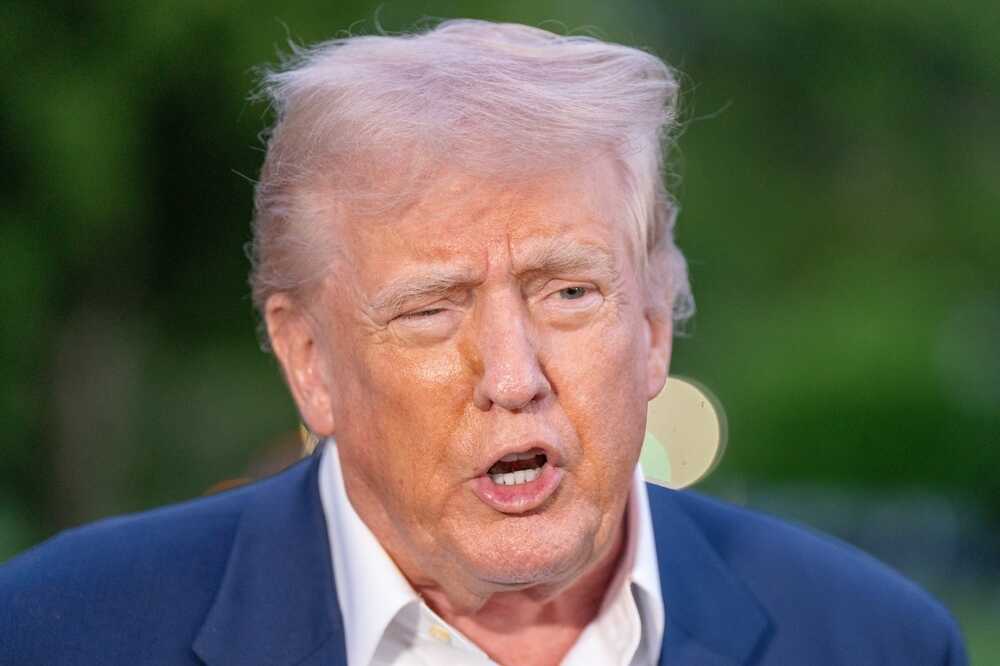
A single misunderstood White House phrase was enough to spark a nationwide “Trump health crisis” panic—right as Americans are already on edge about war.
Quick Take
- Viral posts falsely claimed President Trump was rushed to Walter Reed after a medical emergency; multiple outlets later debunked it.
- The rumor appears to have started after a routine White House “press lid” notice was misread and amplified online.
- Reporters at the White House said Trump was in the West Wing, with visible security indicators reinforcing he was on-site.
- Press Secretary Karoline Leavitt and other officials moved to shut down the speculation as it spread during heightened U.S.-Iran tensions.
How a Routine “Press Lid” Turned Into a Viral Hospital Rumor
Online rumors claiming President Donald Trump had been hospitalized at Walter Reed surged Saturday, April 5, 2026, after a standard White House “press lid” announcement circulated beyond the usual press audience. In plain terms, a “lid” is normally an operational notice that no further public events are expected for the day—yet on social media it was treated like evidence of an emergency. As posts spread, speculation quickly outran verifiable facts.
Several reports reviewing the episode said the claim was built on misinterpretation, not medical evidence, and that the frenzy grew as users reposted commentary and clipped video without clear provenance. Some coverage also noted recycled footage from 2024 reappearing as supposed “proof,” a common pattern in viral misinformation cycles. The core allegation—that Trump had been rushed to a hospital—did not match what on-site press could confirm that day.
What Reporters and the White House Said Actually Happened
White House officials were pulled into a reactive posture as the rumor spiked, issuing denials and insisting the President was working as normal. Reporting based on the press corps presence at the White House said Trump remained in the West Wing; one account described a Marine on duty as an additional on-scene indicator used by journalists to validate that the President was still inside. Trump also remained active online, pushing back on the claim.
The administration response mattered because the underlying rumor was specific and combustible: a medical emergency at Walter Reed is the kind of story that can move markets, shift diplomatic calculations, and inflame domestic political tensions. In this case, the available reporting converged on a straightforward conclusion: there was no hospitalization. The episode ended as a misinformation event, not a confirmed incident, after multiple outlets treated the claim as false.
Why the Iran Conflict Climate Made the Panic Easier to Ignite
The timing wasn’t random. Coverage of the rumor connected its rapid spread to a high-stress national security environment marked by ongoing U.S.-Iran military conflict and publicized threats of “surprise” attacks. In that kind of atmosphere, Americans understandably watch for signs of instability at the top—especially during a second Trump term when every decision is tied directly to his administration’s handling of federal power, war planning, and executive authority.
For many conservatives, that context carries an extra sting. The base that fought years of left-wing cultural pressure, debt-fueled spending, border chaos, and inflation now finds itself split and uneasy about another potential foreign entanglement. The research tied this rumor’s momentum to national tension, not to evidence, but the public reaction still revealed a deeper reality: trust is brittle, and Americans across the spectrum are primed to believe the worst when uncertainty and war headlines collide.
What This Episode Shows About Transparency, Misinformation, and Public Trust
The President’s age also shaped the backdrop. One cited medical perspective argued that voters already have ample information to evaluate Trump’s health, reflecting skepticism about how much additional “disclosure” changes public confidence. At the same time, the episode showed how quickly confusion fills any information gap, even a routine scheduling term. When official language is insular and social platforms reward speed over accuracy, rumors can become the “story” before facts arrive.
For a conservative audience that cares about constitutional stability, the practical lesson isn’t gossip—it’s operational risk. False crisis narratives can pressure leaders to “prove” fitness through performative optics, invite demands for emergency powers, or distract from real decisions in moments of international danger. The available reporting indicates this specific claim was false, but it also underscored how easily the country can be jolted by a viral misunderstanding at exactly the wrong time.
Sources:
Donald Trump ‘Disappearance’ Triggers Health Frenzy; White House Forced to Breaks Silence | Watch
All the data voters need about Trump is already out for everyone to see