
A top-secret SEAL Team 6 mission in North Korea, authorized by President Trump, is under scrutiny for resulting in civilian deaths and raising oversight concerns.
Story Highlights
- Trump approved a covert SEAL Team 6 operation in North Korea in 2019.
- The mission was intended to plant a listening device to intercept communications.
- Civilian casualties occurred when SEALs mistakenly engaged a fishing boat.
- The operation remained undisclosed until a 2025 report by The New York Times.
SEAL Team 6 Operation Details
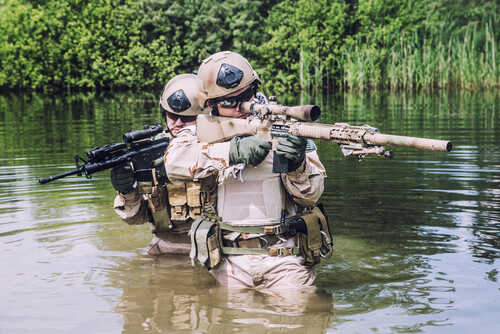
In early 2019, then-President Donald Trump authorized a covert operation by SEAL Team 6 to plant a listening device in North Korea. This mission aimed to intercept sensitive communications from North Korean leader Kim Jong-un amidst ongoing nuclear negotiations. However, the operation took a tragic turn when SEALs encountered a North Korean fishing boat and mistakenly opened fire, resulting in civilian deaths. The team aborted the mission, leaving it unacknowledged until recently disclosed.
The mission’s secrecy and lack of Congressional notification have sparked significant debate. The operation highlights the risk of escalation on the Korean Peninsula, especially given North Korea’s military readiness and strict secrecy. The operation’s exposure has raised questions about the transparency and oversight of U.S. military actions, as Congress was not informed of this high-risk mission.
In early 2019, US Navy SEAL Team 6 landed on a North Korean shore under cover of night
The mission, approved directly by Trump, was to plant a device to intercept Kim Jong Un’s most sensitive communications
It ended in disaster — 6 civilians KILLED, no intel gained
🧵(1/10) pic.twitter.com/Gu860IiwuE
— RT (@RT_com) September 5, 2025
Historical Context of U.S.–North Korea Relations
The covert mission took place against the backdrop of tense U.S.–North Korea relations, particularly over the latter’s nuclear program. Despite high-level summits in Singapore and Hanoi in 2018, negotiations stalled in 2019, leading to continued development of North Korean weapons. The U.S. intelligence community pushed for actionable intelligence to understand North Korean intentions, prompting the risky mission.
Past incidents, like the 2017 death of Otto Warmbier and the 2018 Singapore summit, influenced the decision-making process for U.S. actions in North Korea. These events underscore the constant tension and the high stakes involved in U.S. covert operations within adversarial states.
Watch: NYT: Trump greenlit 2019 failed Seal Team 6 mission into North Korea
Implications and Reactions
Revelations about the mission have led to potential diplomatic fallout and calls for increased oversight of covert operations. Experts warn that such incidents could undermine diplomatic efforts and increase the risk of miscalculation or war. The lack of Congressional notification is viewed as a breach of oversight norms, prompting discussions about the ethics and legality of such military actions.
President Trump has publicly denied knowledge of the mission, while the Pentagon and Special Operations Command have refrained from commenting, citing operational security. The story, corroborated by anonymous sources, remains unconfirmed by official entities, leaving the full implications and potential consequences uncertain.
Sources:
ABC News: Trump says he doesn’t know ‘anything’ about reported violent failed SEAL Team 6 mission