
A private, solemn 9/11 ceremony at Ground Zero honored every victim while the public watched from afar.
Story Highlights
- The National September 11 Memorial & Museum held a private morning ceremony at the World Trade Center site.
- Family members read the names of the 2,983 victims from 2001 and 1993 in a tightly run program.
- The public followed by livestream and later plaza access as organizers balanced privacy and openness.
- President Trump marked Patriot Day with a national proclamation to remember and stand united.
Private Morning Ceremony Focused on Families and Names
Organizers began the 9/11 anniversary observance on the Memorial plaza in lower Manhattan with a private ceremony for victims’ families. The National September 11 Memorial & Museum listed the event as not open to the public and set a morning start time on the official calendar. The program centered on reading the names of the 2,983 people killed in the 2001 terror attacks and the 1993 World Trade Center bombing, keeping the focus on loss, dignity, and the families’ right to grieve.
The institution described the 25th anniversary commemoration as a plaza-based, in-person reading by family members, confirming that the Memorial leads the nation in marking this date each year. Organizers emphasized that the quiet tone and the names are the core of the day. That structure has defined the New York ceremony across many years. It places families at the center, with public officials and guests standing back as loved ones speak for those we lost.
Public Access, Livestreams, and Afternoon Reopening
The Memorial balanced privacy and public memory by livestreaming the ceremony and managing access in stages. Guidance for visitors signaled that the plaza would reopen to the public later in the day, after the family observance concluded, allowing broader reflection at the pools and panels. This hybrid approach—private in the morning, public-facing by stream and later access—matches how major disaster memorials handle crowd size, safety, and respect on high-emotion dates.
Outside the plaza ceremony, the 9/11 Memorial community and partner agencies have long supported parallel observances. Past programs have included interfaith services and moments of silence that align with the timeline of the attacks. These events frame the day for the wider public, but without intruding on the family-led names reading at Ground Zero. This careful line keeps the place sacred while keeping the nation included through planned viewing and scheduled access.
National Remembrance and Presidential Proclamation
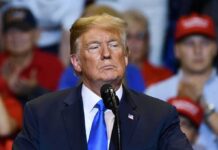
From Washington, President Trump issued the Patriot Day proclamation marking twenty-five years since the attacks. The proclamation called on Americans to remember the fallen, honor first responders, and fly the flag at half-staff across the nation. Federal recognition reinforces the message carried by the Memorial: we will never forget, and we stand with the families. That pairing of local ceremony and national call to unity has guided every anniversary since the early years.
Overseas partners also marked the day. North Atlantic Treaty Organization officials scheduled a solemn ceremony in Brussels, reflecting the alliance’s enduring commitment that began when North Atlantic Treaty Organization invoked Article 5 after 9/11. These tributes underscore that the memory of the attacks and the stand against terror remain shared across the free world. As New York reads the names, allies pause to honor the same sacrifice and reaffirm common resolve.
Why the Ceremony’s Guardrails Matter
The Memorial and Museum’s rules serve a clear mission: protect families, preserve order, and keep the focus on names and service. Years of practice show that a private morning program prevents crowding and politics from drowning out the voices that matter most. Livestreams and later access make room for the nation to gather without turning sacred ground into a spectacle. That approach keeps faith with the promise made on the first anniversaries and still kept today.
A memorial ceremony has begun at the site of New York's World Trade Center as the US marks the 25th anniversary of the 9/11 attacks.
Watch live: https://t.co/NLOgZMc6zQ— Global X (@1_News_Updates) September 11, 2026
For many readers, this day renews core values—love of country, respect for law enforcement and firefighters, and the duty to teach the next generation what happened and why we must stay vigilant. The ceremony’s design helps do that well. It is simple, disciplined, and centered on truth. Families speak. Bells toll. The flag flies low. And Americans, guided by the day’s order, pause, pray, and stand together—at the site, at home, and across the world.
Sources:
youtube.com, portfolio.panynj.gov, explorewtc.com, 911memorial.org, vibenyctours.com, abc7ny.com, nato.int, era.ed.ac.uk