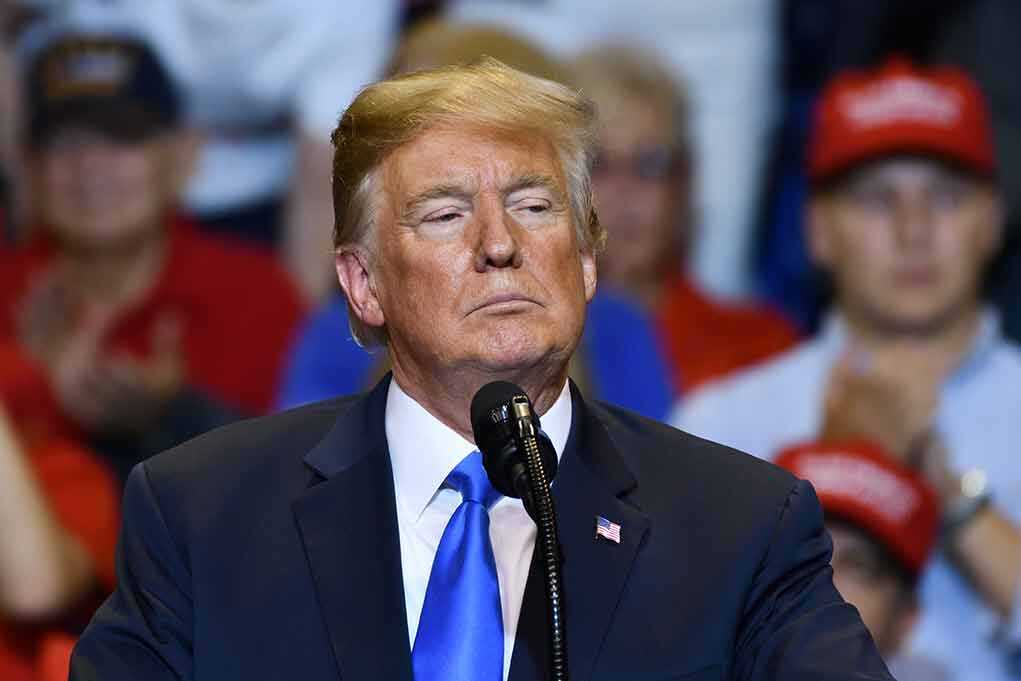
President Trump told the press room it was the “largest group of Trump Derangement Syndrome people ever,” spotlighting a real pattern of anti-Trump fury while doctors debate what to call it.
Story Highlights
- Trump used “Trump Derangement Syndrome” at the Correspondents’ Dinner to describe hostile media behavior, not as a medical label.
- Psychology commentators say TDS is not a formal diagnosis found in clinical manuals.
- A psychotherapist claims many patients show intense anti-Trump fixation, though that remains opinion, not clinical proof.
- Scholars link rising outrage and polarization to media incentives that reward anger and clicks.
What Trump Said And Why It Matters
President Trump used sharp humor at the rescheduled White House Correspondents’ Dinner and called the room the “largest group of Trump Derangement Syndrome people ever put together at one time.” He aimed at media hostility and bias without suggesting a medical diagnosis. Reports and video of the event confirm the remark and its context as part of a roast-style speech to a combative press audience in Washington, after a prior date was delayed by a shooting.
Trump’s phrasing hit a nerve because many Americans see a clear pattern: nonstop outrage, loaded headlines, and quick-to-judge narratives. The line landed as a cultural point, not a clinical claim. It spoke to readers who watched years of hostile coverage, soft-pedaled scandals on the left, and endless speculation about Trump’s motives. The moment underscored a divide between an activist press and citizens who want fair reporting over ideological crusades.
What Doctors And Commentators Actually Agree On
Psychology writers and clinicians widely state that “Trump Derangement Syndrome” is not a recognized mental disorder. It does not appear in the Diagnostic and Statistical Manual or other clinical guides. A Psychology Today column reviewed scholarly databases and found no academic validation for a disorder by that name. The author concluded it is not a diagnosable or treatable condition, which means it should not be used as a medical label in clinical settings.
Some clinicians and commentators still describe intense anti-Trump reactions that disrupt thinking or emotions. A McGill-linked psychiatry commentary says the pattern exists for some people but remains outside formal diagnosis. That means people can show fixation, anger, and stress tied to politics without doctors calling it a disease. This fits what many families have seen: relationships strained, holidays ruined, and news habits turning into daily rage cycles.
Evidence Of Outrage And Polarization In The Real World
Research on polarization shows how media and social feeds fuel anger and division. A large review found that political polarization predicts problematic information habits, like cherry-picking sources and sharing unverified claims. The pattern helps explain why some people become stuck in loops of outrage about public figures, including Trump. The driver is not a new “syndrome,” but a media environment that rewards clicks, conflict, and fear.
Conservative readers know this first-hand: stories that fit a favored narrative spread fast, while corrections barely move. That cycle hardens “us versus them” thinking and makes calm debate rare. It also tempts activists and pundits to pathologize opponents. The healthier approach is clear language: call extreme behavior what it is, hold media to standards, and resist turning political disagreement into a psychiatric label. Strong debate needs facts, not faux diagnoses.
So, Is It Natural Intensity, A Psyop, Or A Disease?
Based on public evidence, the pattern that people call “TDS” looks like a social and media-driven reaction, not a medical disease. Psychology commentators reject it as a formal diagnosis, and there is no clinical proof to the contrary. Some therapists report seeing intense anti-Trump fixation among patients, which shows the behavior is real for some people, but personal observations do not create a new disorder. The term works best as cultural shorthand, not medicine.
For constitutional conservatives, the stakes are bigger than a label. When media outrage drives public life, policy gets replaced by performative anger. That is how we end up with soft-on-crime narratives, speech policing, and attacks on faith and family values. The answer is to stand firm on facts, due process, secure borders, safe streets, and energy independence. Keep institutions honest, protect free speech, and reject efforts to smear political rivals as “sick” instead of debating them.
Bottom Line For Readers
Trump’s jab at the dinner captured a truth many see: a persistent, emotional overreaction to him in elite media circles. Experts say “TDS” is not a medical term, and the data point instead to polarization and media incentives that push anger. Call the behavior what it is, but keep medicine out of it. Argue policy, demand fairness, and defend the Constitution. That is how we cool the temperature and keep America free for our kids and grandkids.
Sources:
twitchy.com, douglas.research.mcgill.ca, therapygroupdc.com, theguardian.com, michigannewssource.com