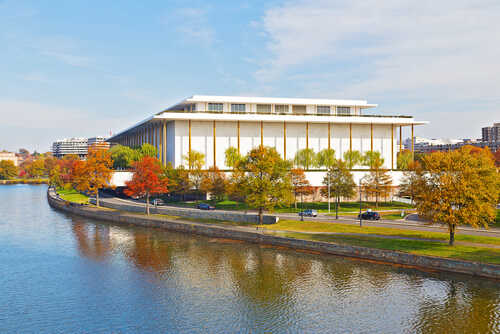
The Trump-Kennedy Center’s new name sparks a legal battle over a musician’s protest, raising questions about artistic freedom and political influence.
Story Snapshot
- The Trump-Kennedy Center is filing a $1 million lawsuit against musician Chuck Redd.
- Redd withdrew from the “Christmas Eve Jazz Jam” due to the venue’s name change.
- This incident highlights tensions between artistic expression and political affiliations.
- Conservatives view the lawsuit as a defense of property rights and contractual obligations.
Trump-Kennedy Center’s Legal Action
The Trump-Kennedy Center has initiated a $1 million lawsuit against Chuck Redd, a renowned drummer and vibraphone player, after he withdrew from the “Christmas Eve Jazz Jam.” The lawsuit claims breach of contract due to Redd’s protest over the venue’s recent name change, which now reflects President Trump’s influence. This move by the center underscores the importance of upholding agreements and protecting the rights of organizations to manage their properties without unwarranted disruptions.
Redd’s withdrawal has put a spotlight on the ongoing debate over artistic freedom and political influence in cultural spaces. Conservatives argue that the Trump-Kennedy Center, by enforcing its contractual rights, is standing firm against political pressures that threaten traditional values and business operations. This case is seen as a crucial reminder of the need to balance personal beliefs with professional commitments, especially in the arts where political bias can often overshadow talent and collaboration.
Watch:
Artistic Freedom vs. Political Influence
The incident has reignited discussions about the role of politics in the arts. Redd’s decision to pull out of the event was based on opposition to the Trump-affiliated name, raising questions about whether personal political beliefs should interfere with professional obligations. While artists should have the freedom to express their views, the contractual commitments they make must also be respected. The Trump-Kennedy Center’s lawsuit is a testament to this principle, emphasizing the legal and ethical responsibilities that come with artistic engagements.
Many conservatives view the legal action as a necessary step to ensure that personal biases do not dictate cultural events, potentially stifling diversity of thought and expression. The center’s stance is perceived as a defense of traditional values where contractual integrity and respect for differing opinions are paramount.
Implications of the Lawsuit
The lawsuit against Chuck Redd could set a precedent for how similar disputes are handled in the future. It raises critical questions about the extent to which artists can let their political opinions affect professional engagements. The outcome of this case may influence future contractual agreements, encouraging artists and venues alike to consider the implications of political affiliations and the importance of honoring commitments despite ideological differences.
As the lawsuit progresses, it will be crucial to observe how it impacts the relationship between politics and the arts. This case serves as a reminder of the delicate balance between personal expression and professional responsibility, a topic that resonates deeply with those who value both freedom and tradition.
Sources: