Maduro’s jailhouse photos hit social media with a family-friendly message, even as reports say he had no internet access in custody.
Story Highlights
- Maduro’s account posted prison photos with a message calling them a gift to children and supporters.
- The pictures carried a June 25 timestamp but appeared online August 30, raising timeline questions.
- Media noted he lacked direct internet access in jail, so the posting route is unclear.
- Fact-checkers have flagged waves of fake and altered Maduro images since his capture.
What Maduro’s Account Posted and When
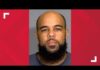
On August 30, Maduro’s official account shared photos said to be taken inside a New York prison. The caption framed the images as a “small gift” to his grandchildren, children, and supporters. Multiple outlets reported the post and quoted the message. The photos showed the ousted Venezuelan leader posing and flashing peace signs. The posts were the first widely shared pictures said to be from his detention, and they rapidly spread across platforms.
Wording in several reports described the images as published “from prison,” but they did not claim that Maduro himself uploaded them from inside the facility. Outlets noted that the photos appeared on his account and were presented as taken in custody. That framing fueled public interest and debate over how the images left a secure jail setting and arrived on a public feed, given strict detention rules.
The Timeline and Why It Matters
A Spanish-language report said the images carried a timestamp of June 25 at about 6:05 p.m., but that the post hit social media on August 30. The gap prompted questions about when the photos were taken, how they were handled, and who controlled the release. The timing could fit a later transfer or family-managed publication, but no official chain-of-custody has been documented in public reporting to date.
Coverage also stressed that the jail does not permit free internet access. Reports said he could make limited phone calls to family or lawyers, under monitoring. That policy undercuts any idea that he personally logged in and posted from a cell. It does not, by itself, prove the images were physically mailed out, but it narrows the plausible routes to outside intermediaries who could upload on his behalf.
How the Photos Could Have Traveled
Reports about the facility’s mail rules indicate that inmates can receive and send mail, subject to screening and content limits. One write-up described envelopes addressed to Maduro and said mail is allowed if it does not include threats or incitement. That supports the basic idea that physical materials can move in and out, though it does not prove that these specific pictures took that path from custody to family to social media.
Maduro’s post addressed family members and children, which is consistent with a family-centered release. Still, no public document identifies any staff member, courier, or exact transfer date for these photos. There is no published log, receipt, or sworn statement tying prison handling to the online post. The most that can be said from the record is that the images appeared on his account, bore a June 25 timestamp, and were posted August 30, with the upload likely done by someone outside his cell.
Misinformation Swirl Raises the Bar for Proof
After Maduro’s capture, fake and altered visuals flooded social media. Major fact-checkers reported that many viral images were generated by artificial intelligence or edited to mislead. That noise makes any new image claim harder to trust without clear provenance. Skeptical readers now expect timestamps, device data, and a documented path for how photos leave a secure facility and reach the public.
Bro got kidnapped and everybody just kept scrolling 😭
Some headlines are so surreal that they almost sound like they came from a parody account. Seeing photos of Venezuela’s Nicolás Maduro in what appears to be a prison setting naturally led to people reacting with disbelief… pic.twitter.com/ORvDhfu6Yp
— TheGameTicker (@TheGameTicker) September 1, 2026
Conservatives who want order, transparency, and equal rules should demand hard records. The federal system should release non-sensitive mail logs for the relevant dates, within the law. That would show whether printed photos or photo prints moved out to approved recipients. Clear records would stop speculation and prevent the kind of confusion that bad actors exploit. Sunlight protects due process, supports victims of disinformation, and upholds public trust in the system.
What to Watch Next
Watch for a basic paper trail: outgoing mail approvals, property handling notes, or staff affidavits confirming if photos were printed or cleared. Platform-side logs from X could show who uploaded the files and from what device or location. Image metadata, if preserved, could reveal the capture device and edit history. Any of these steps would give citizens a firm answer without risking security or due process for anyone involved.
Until those records surface, the facts are simple. The photos appeared on Maduro’s account with a family-themed message. The jail blocks free internet access. Mail is allowed under rules. The timestamp and posting date do not match. And the online space is saturated with fakes. Citizens deserve clarity rooted in documents, not rumors. That standard keeps power honest and protects the Constitution’s promise of equal justice under law.
Sources:
insiderpaper.com, people.com, aman-alliance.org, elcolombiano.com, yahoo.com, cbsnews.com