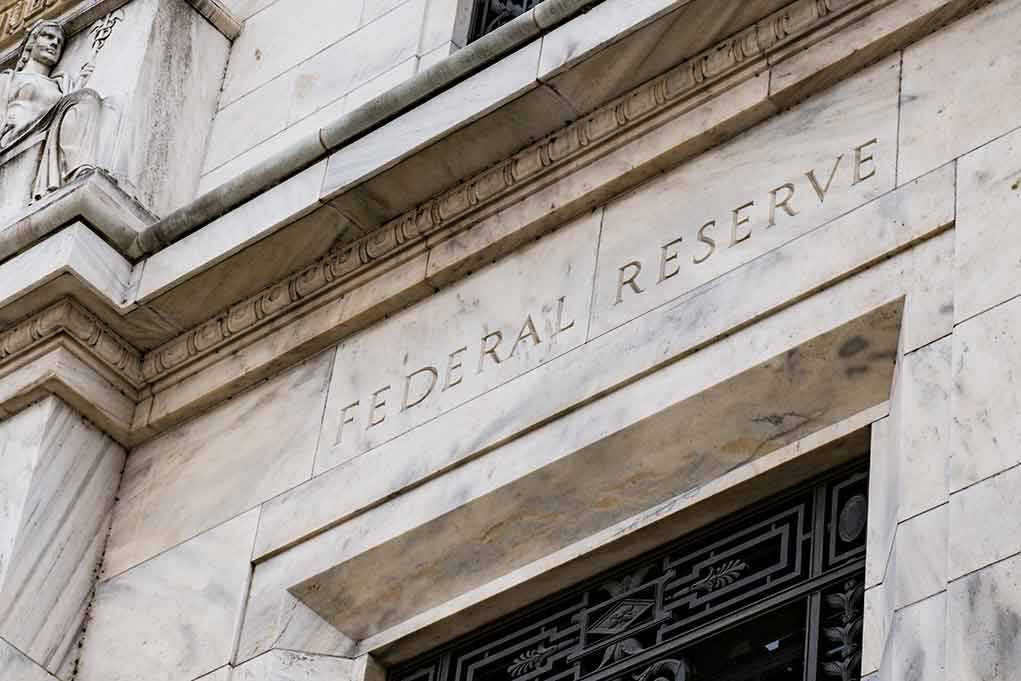
Fed Chairman Kevin Warsh put rate hikes back on the table at Jackson Hole, setting up a direct policy clash with President Trump’s push for lower borrowing costs.
Story Highlights
- Warsh reaffirmed the Federal Reserve’s 2% inflation target as a firm, fixed goal.
- Warsh warned inflation is still running above target and must be the main focus.
- Markets read his remarks as opening the door to higher interest rates if prices do not ease.
- Trump argues rate cuts are needed to support growth and reduce federal interest costs.
Warsh’s Message: Price Stability Comes First
Federal Reserve Chairman Kevin Warsh used his Jackson Hole keynote to lock in the central bank’s 2% inflation target and to stress that inflation remains too high. Warsh said the 2% goal is a “firm, fixed target,” and he emphasized that bringing prices back to that level is the Federal Reserve’s top job right now. He added that several inflation measures are still above that mark, which means policymakers must keep their focus on prices rather than declare victory too soon.
Warsh also laid out a test for action. He said the Federal Reserve must be confident that underlying inflation is moving to 2% “clearly and at sufficient speed,” or the central bank has “work to do”. Reporters and traders took that as the clearest hint yet that interest rates could rise again if progress stalls. That stance signals a tougher line than his July comments and tells markets that patience with sticky prices is running thin.
Market Read: A Hawkish Turn Raises Rate Odds
Financial outlets reported an immediate shift in expectations after Warsh spoke. Analysts said the speech was the most direct guidance of his tenure, and they noted that investors marked up the odds of a rate hike in coming meetings. One wire service summarized the takeaway: if inflation is not clearly easing, the Federal Reserve will need to act to defend its target. Coverage across business media echoed the same point, calling the remarks a hawkish reset on policy signals.
The message fits a well-known pattern in central banking research. When inflation runs above the target, credibility takes a hit. To restore it, policymakers often respond more forcefully to price pressures. Studies link larger gaps between actual inflation and the target to stronger rate responses meant to anchor expectations and steady the economy over time. Warsh’s comments track that playbook, tying future moves to proof that prices are cooling at a reliable pace.
The White House View: Cut Rates to Fuel Growth
President Trump has argued for lower interest rates to support strong growth and to ease the federal government’s interest bill. He recently said the country should be paying “much less” on its debt and that positive economic news should not block rate cuts. A series of reports also describe the administration’s case that solid job gains alongside easing inflation should clear the way for cuts that help families and small businesses expand.
Markets are pricing roughly a two-thirds chance of a 25-basis-point Fed rate increase in September. Hawkish comments from Fed Chair Kevin Warsh and rising oil prices have shifted rate expectations higher, supporting elevated Treasury yields.#FedRateHike #KevinWarsh
— Garrett King (@GarrettKing365) September 1, 2026
That puts the White House and the Federal Reserve on different tracks for now. Warsh’s standard is proof that inflation is moving down fast enough, or else policy may tighten. Trump’s team stresses momentum in growth and the benefit of cheaper credit to taxpayers and borrowers. Both sides are speaking to real concerns: families squeezed by high prices, and families squeezed by high rates. The path the Federal Reserve chooses in the next meetings will decide which pressure eases first.
What It Means for Households and Savers
Homebuyers, small-business owners, and retirees should prepare for choppier conditions. If the Federal Reserve raises rates, mortgage costs and credit card rates can climb further, while savings yields may tick up. If inflation keeps cooling and the data convince Warsh and his colleagues, rate relief could follow later. Until then, the Federal Reserve’s stance says price stability comes before cheaper loans, and markets will keep testing that resolve with each new economic report.
Bottom Line for Conservative Readers
Warsh drew a clear line at Jackson Hole: the Federal Reserve will defend the 2% target and is ready to act if inflation does not fall. That may slow the push for quick rate cuts that President Trump favors to boost growth and cut Washington’s interest costs. The fight now is about sequencing. The Federal Reserve wants proof of disinflation first; the White House wants borrowing relief sooner. The next few months of data will decide which path wins out.
Sources:
theamericanconservative.com, federalreserve.gov, npr.org, reuters.com, theguardian.com, cnbc.com, politico.com, abcnews.com