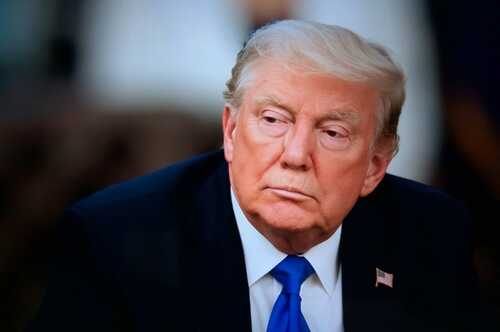
A new framework deal with Greenland threatens to reshape Arctic geopolitics and U.S. military strategy, raising sovereignty concerns among allies.
Story Highlights
- Trump announces a “framework” deal with NATO for Greenland’s strategic role.
- The deal includes U.S. access to rare-earth minerals and military expansion.
- No formal agreement yet; sovereignty concerns persist among Danish officials.
- Negotiations could impact Arctic geopolitics and NATO cohesion.
Trump’s Greenland Initiative: Strategic Access and Military Expansion
On January 22, 2026, President Donald Trump announced a “framework of a future deal” with NATO to secure Greenland’s strategic importance for U.S. interests. The proposal involves access to Greenland’s rare-earth minerals, an expanded U.S. military presence, and integration into the Golden Dome missile defense system. This strategic shift aims to counter adversaries’ Arctic ambitions while securing vital resources.
However, the “framework” lacks formal documentation, and as of January 22 evening, no written agreement exists. Trump’s shift from aggressive rhetoric to negotiation reflects a strategic pivot, yet raises sovereignty concerns among Danish officials. The plan involves updating the 1951 Defense of Greenland agreement to ensure perpetual U.S. access, regardless of Greenland’s future political status.
Watch:
Background and Diplomatic Developments
The U.S. has maintained a military presence in Greenland since World War II, underpinned by the 1951 Defense of Greenland agreement. Trump’s initial public statements about acquiring Greenland were controversial, leading to tariff threats against European nations that opposed U.S. involvement. Diplomatic intervention ensued, with NATO Secretary General Mark Rutte meeting Trump at Davos, resulting in the withdrawal of tariff threats and a pivot to negotiations.
Greenland’s strategic importance is amplified by Arctic geopolitical competition and the presence of rare-earth minerals. The region is increasingly viewed as contested space, with adversaries seeking influence. While Denmark maintains firm positions on sovereignty, it remains open to discussions on security and economic matters.
Potential Implications and Future Negotiations
Short-term implications include heightened tensions within NATO due to Trump’s pressure campaign, although the negotiation shift offers temporary relief. The proposed U.S. military expansion in Greenland would enhance Western capabilities to counter adversary encroachment, while the withdrawal of tariff threats provides economic relief.
Long-term, the deal could alter Arctic geopolitics by granting the U.S. “total access” to Greenland indefinitely. It risks setting sovereignty precedents that challenge traditional territorial integrity notions. The initiative signals intensified U.S.-China/Russia competition for Arctic dominance, with significant implications for NATO cohesion and resource access dynamics.
Sources:
Trump’s Framework Greenland Deal
The Future of Greenland and NATO After Trump’s Davos Deal
Greenland Negotiations Resemble Existing Deal