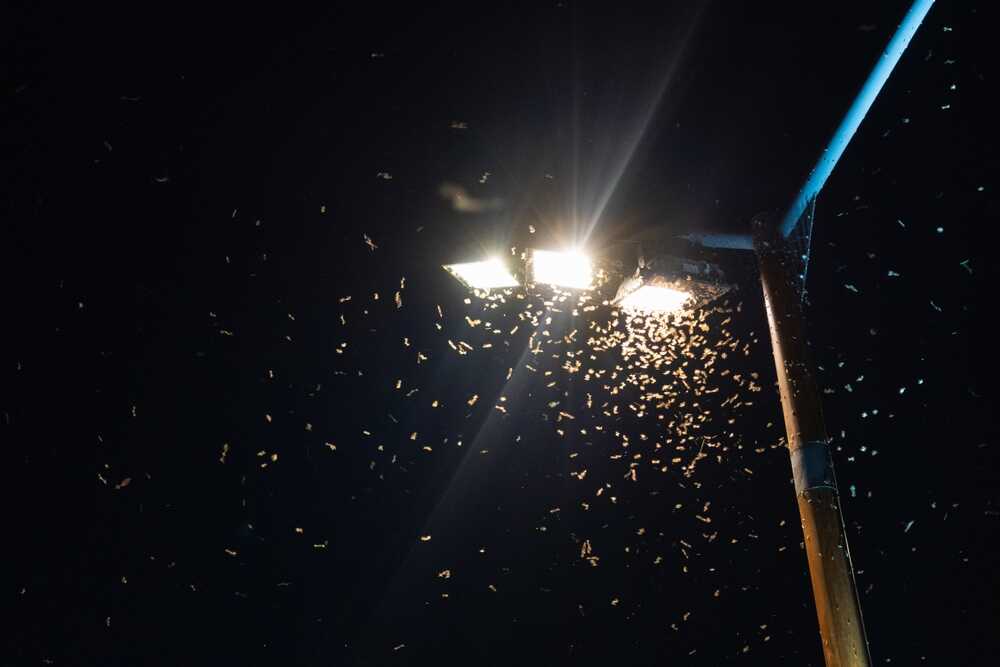
An Arizona suburb’s “midge fly” nightmare is exposing how basic quality-of-life problems can linger for years when government systems can’t—or won’t—deliver a permanent fix.
Story Snapshot
- Residents in south Gilbert, Arizona, say seasonal swarms of non-biting midge flies have made it hard to use yards, open doors, or even breathe comfortably outside.
- Reports tie the recurring infestations to water recharge basins, highlighting a trade-off between local water management and day-to-day livability.
- Town responses such as fogging, larvicide, monitoring, and temporarily pausing recharge have reduced swarms at times but haven’t ended the problem.
- The viral framing of “mutant” insects appears sensational; available reporting describes standard midges whose sheer numbers create the crisis.
Gilbert homeowners say a seasonal swarm has become a decade-long shutdown
Residents in south Gilbert near Ocotillo and Power Roads have described dense clouds of midge flies that make outdoor life feel impossible during peak periods. Coverage and resident accounts describe bugs getting into mouths, eyes, noses, cars, and homes, turning routine tasks—taking out trash, letting kids play outside, hosting a barbecue—into a stressful, messy ordeal. Residents have said the problem has recurred for more than 10 years, worsening when conditions favor breeding.
Families in affected neighborhoods say the ongoing nature of the problem is what breaks trust. A one-off nuisance is one thing; repeated summers of heavy swarms are another, especially for homeowners who assumed suburban life meant basic comfort and control over their property. Some residents have raised concerns about long-term impacts on neighborhood enjoyment and potential property value pressure, even when the insects are described as non-biting. The complaint is less about danger and more about being effectively confined indoors.
Water infrastructure appears central, creating a hard policy trade-off
Local reporting has linked the Gilbert outbreaks to municipal water recharge basins, which can create ideal standing-water habitat for midge larvae. Officials have described the facility as important for groundwater replenishment, meaning the “obvious” fix—keeping basins dry—can collide with long-term water planning. That tension is familiar in fast-growing communities: government builds systems to secure resources, but nearby residents bear the everyday consequences when a design choice produces persistent local harms.
Town actions described in coverage include daily monitoring, fogging, and larvicide treatments, along with temporarily pausing recharge activities that appeared to reduce swarms in the short term. The same coverage also conveys a blunt constraint: full eradication may not be realistic with current methods as long as conditions remain favorable for breeding. For residents, that sounds like an open-ended sentence—temporary relief, followed by the next cycle—without a clear endpoint or a redesigned approach.
Similar infestations elsewhere suggest a pattern, not a “mutant” mystery
Other communities have reported midge or fly swarms that officials tie to weather, heavy rains, or the timing and availability of spraying programs. In Sparrows Point, Maryland, reports have described local officials seeking additional help as residents complained about swarms expected to fade seasonally. In the United Kingdom, separate reporting has described severe fly problems linked to waste and recycling conditions. These cases support a practical takeaway: outbreaks are often explained by environment and management decisions, not exotic species.
What this story signals about governance: basic services versus real accountability
Residents can accept that infrastructure has side effects; what they tend to reject is a system that normalizes “managed misery” year after year. When government can routinely fund, build, and regulate big projects but can’t resolve an obvious quality-of-life failure near homes, public cynicism grows. Conservatives often see this as a competence and accountability problem—officials balancing budgets, risk, and optics while ordinary people absorb the costs. Liberals who distrust “the system” often reach a similar conclusion.
Available reporting also undercuts the viral “mutant midge” framing. The insects are described as non-biting midges; the crisis comes from overwhelming numbers and repeated exposure, not a new biological threat. That distinction matters because it changes what “solutions” look like: not panic, but engineering, maintenance, and transparent trade-offs. The unresolved question is whether local leaders will pursue longer-term fixes—potentially costly or complex—or keep relying on stopgap measures that leave residents stuck with the same summer lockdown.
Sources:
https://www.dailymotion.com/video/x940nq4
https://opgov.news/articles/swarms-of-midge-flies-trap-gilbert-residents-in-their-homes