
U.S. Coast Guard hunters close in on Iran-linked tanker Bella 1, starving Maduro’s regime and Hezbollah terror funders in a bold Trump-era crackdown.
Story Snapshot
- U.S. Coast Guard pursues stateless VLCC Bella 1 in the Atlantic after it refuses boarding near Venezuela on December 21, 2025.
- Third interdiction this month targets Iran’s shadow fleet aiding sanctioned Venezuelan oil exports, confirmed by President Trump.
- Tanker moves at slow 12-knot speed, evasion impossible against superior U.S. naval forces.
- Action disrupts illicit funding for Maduro and Iran/Hezbollah, signaling renewed American resolve against adversarial regimes.
- Coincides with U.S. military buildup in Puerto Rico, heightening pressure on Venezuela.
Pursuit Underway in International Waters
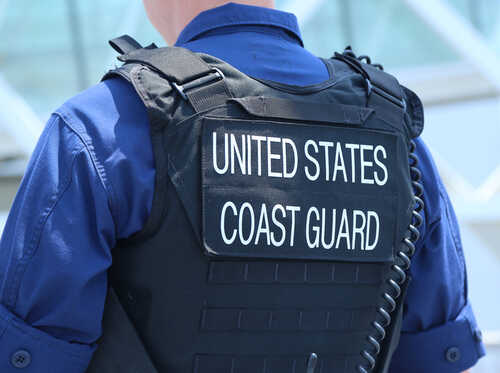
U.S. Coast Guard cutters launched an active pursuit of the sanctioned oil tanker Bella 1 on December 21, 2025, in the Caribbean after the vessel declined boarding. The stateless VLCC, exceeding 300,000 deadweight tonnes, reversed course while approaching Venezuela in ballast. This pre-loading intercept marks a strategic shift to disrupt supply chains early. President Trump confirmed the ongoing chase on December 22, underscoring commitment to sanctions enforcement. The tanker’s historical speed under 12 knots, per AIS data, ensures U.S. forces will prevail.
Targeting Iran’s Shadow Fleet
Bella 1 forms part of Iran’s shadow fleet of stateless tankers evading U.S. sanctions on oil exports to fund operations, including alleged Hezbollah links. The vessel previously engaged in Iranian oil trade before targeting Venezuela’s PDVSA, under U.S. restrictions. This month’s third U.S. action follows seizures of two prior tankers, one now at Galveston. Such enforcement chokes revenue streams propping up Maduro’s socialist regime and Iran’s terror sponsorship. U.S. superiority in naval assets outpaces the slow-moving target.
Coast Guard’s Specialized Response
Standard Coast Guard units lead with Law Enforcement Detachments, awaiting Maritime Security Response Team for opposed boarding on the non-compliant VLCC. MSRT, created post-9/11 for high-seas interdictions, handles fast-roping needs lacking in regular forces. Delays stem from only two active teams tied up on prior seizures, not the tanker’s speed. Commandant Adm. Kevin Lunday notes resource strains amid aging assets, addressed by recent funding via the One Big Beautiful Bill Act. Pursuit continues in Atlantic waters, roughly 200 nautical miles daily from Venezuela.
Watch:
Strategic Implications for U.S. Security
Short-term, the operation halts Venezuela’s oil loading and tests Coast Guard limits. Long-term, pre-loading intercepts deter shadow fleet operators by exposing vulnerabilities like slow speeds and stateless status. Economic blows hit Maduro’s funding while constraining Iran and Hezbollah shipping. Political signals from Trump’s hardline stance, amid Puerto Rico military buildup with F-35s and naval assets, raise prospects of broader action against the Maduro dictatorship. Gulf Coast ports manage seized vessels, reinforcing U.S. enforcement edge.
Bolstering American Priorities
Analysts confirm Bella 1’s capture was inevitable due to logistical superiority, dismissing evasion claims. Expert views highlight the U.S. Coast Guard’s unique sea law enforcement authority over Navy tactics. This enforcement upholds conservative principles of limited government abroad through decisive action, protecting American interests from globalist threats like illicit oil trades funding terror. Ongoing developments as of December 23 show MSRT en route, with no resolution reported. Such victories validate Trump’s return to strength against adversaries.
Sources:
Maritime Executive: Report: U.S. Coast Guard Awaits Specialized Team to Board Third Tanker