

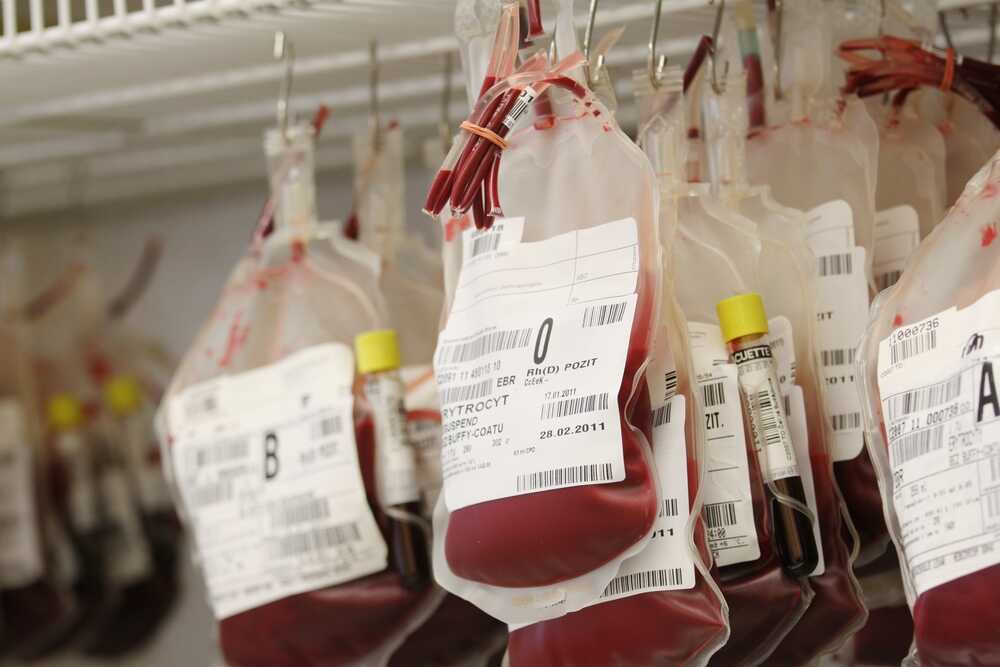
Vaccine misinformation is now endangering patients’ lives by delaying critical blood transfusions, as desperate families reject safe, screened blood from the general supply.
Story Snapshot
- Vanderbilt University documented 15 requests for unvaccinated blood from January 2024 to December 2025, with two patients suffering severe complications like anemia and shock from delays.
- Directed donations from family or first-time donors carry higher infection risks (8.6% positive markers vs. 1.1% in anonymous community donors), contradicting claims of safety.
- FDA, Red Cross, and AABB denounce these requests as medically unfounded, emphasizing universal screening ensures blood safety regardless of vaccination status.
- Misinformation fuels polarization, eroding trust in the equitable blood supply system while straining already limited inventories.
Rising Requests Driven by Misinformation
Vanderbilt University Medical Center recorded 15 requests for blood from unvaccinated donors between January 1, 2024, and December 31, 2025, primarily from parents of pediatric and young adult patients with a median age of 17. Thirteen cases involved family-directed donations, which require special processing like irradiation to mitigate risks such as transfusion-associated graft-versus-host disease. Two patients experienced adverse outcomes, including worsening anemia and hemodynamic shock, directly resulting from transfusion delays while awaiting unvaccinated blood. This surge began post-2020 amid false claims that mRNA vaccines contaminate blood, despite no evidence of vaccine components persisting in donations.
Medical and Logistical Risks Outweigh Perceived Benefits
Directed donations introduce higher risks because first-time or family donors often withhold high-risk behaviors under social pressure, showing 8.6% rates of infection markers compared to 1.1% in volunteer community donors. No tests exist to verify vaccination status, and universal screening for HIV, hepatitis, and other pathogens ensures all blood meets safety standards. Experts from an international team in Annals of Internal Medicine stress that these requests lack evidence of benefit while complicating logistics—irradiated blood has a shortened shelf life, burdening strained supplies. Patients refusing standard blood face unnecessary delays in surgeries and trauma care.
Stakeholders Clash Over Patient Autonomy and Public Safety
Transfusion physicians and blood banks prioritize evidence-based practices, balancing patient autonomy with the duty to prevent harm. FDA warnings highlight that directed donations for non-medical reasons like vaccine fears are riskier and unsupported by science. Organizations including AABB, Red Cross, and America’s Blood Centers issued joint statements denouncing “unvaccinated” services, urging standardized hospital policies with informed consent documentation. Anti-vaccine groups promote paid “pure blood” networks online, but failed state bills in Oklahoma and elsewhere reflect growing recognition of these dangers. Both conservatives wary of government overreach and liberals frustrated by elite-driven narratives share concerns over misinformation undermining essential systems.
In 2026, with President Trump’s America First policies restoring energy independence and border security, everyday Americans on both sides of the aisle demand accountability from institutions that prioritize protocols over common sense. This blood supply crisis exemplifies how persistent falsehoods—fueled by deep state-like distrust in federal health agencies—harm vulnerable patients and erode foundational principles of individual responsibility and communal trust. Health systems must educate on screening efficacy while rejecting unfounded demands that threaten the anonymous donor pool vital to national resilience.
Requests for blood from unvaccinated donors is harming patients
Patients are requesting that blood transfusions come from people who they know have not been vaccinated against covid-19, which can cause dangerous delayshttps://t.co/lfA9Kau3MQhttps://t.co/ttE66nvY4W pic.twitter.com/plt5u7J1b0
— David Ullrich (@DavidUllrich202) April 15, 2026
Broader Impacts on Society and Policy
Short-term effects include added hospital costs for processing and patient harm from delays, particularly in pediatric oncology and trauma cases. Long-term, eroding confidence in the blood supply risks shortages, as seen in pandemic-strained global inventories. Socially, it deepens divides between vaccine-hesitant communities and the public reliant on equitable access. Politically, while Republican-led legislatures block risky mandates, the trend signals backlash against elite health narratives. Expert consensus calls for patient counseling to reaffirm that vaccinated donor blood poses no unique risks, preserving limited government intervention in proven safety measures.
Sources:
Vanderbilt University documented requests and risks (Fox News).
Post-COVID-19 Blood Supply Challenges (College of American Pathologists).
FDA information on directed blood donations.
AABB on vaccinations and blood donation.
British Journal of Haematology article on related transfusion issues.