The Pentagon has pulled the plug on its participation in think tank events, marking a seismic shift in U.S. defense policy.
At a Glance
- The Pentagon withdraws from the Aspen Security Forum, citing ideological misalignment.
- The decision reflects Trump’s “America First” stance, challenging traditional foreign policy.
- All military participation in think tank events suspended pending venue vetting.
- Experts warn of risks to civil-military dialogue and increased partisanship in security policy.
Pentagon’s Dramatic Exit from Aspen Security Forum
In a move that has sent shockwaves through the defense and policy communities, the Pentagon has abruptly withdrawn from the Aspen Security Forum (ASF), a flagship event for international security dialogue. This decision, driven by a perceived misalignment of values, was publicized just one day before the forum’s commencement. The Pentagon accused the ASF of promoting globalism and showing disdain for the Trump administration, a claim that has left many in the policy community reeling.
.@EpochTimes: Pentagon No Longer Participating in Think Tank Events Pending Vetting of Venueshttps://t.co/eYztMr5glV https://t.co/i4xvE6xaNh
— The Epoch Times (@EpochTimes) July 24, 2025
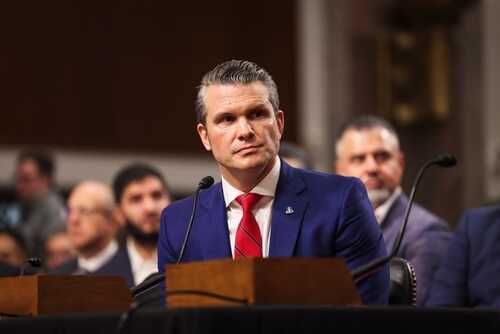
The Pentagon, under Defense Secretary Pete Hegseth, has expanded this withdrawal into a broader directive, halting participation in all think tank events, including the well-regarded Halifax International Security Forum. This unprecedented move is part of a larger shift in U.S. defense policy emphasizing “America First” principles and skepticism toward multilateral engagements traditionally valued by previous administrations.
Pentagon Withdraws Military Top Brass From Aspen Security Forum Citing AntiTrump Bias
Implications of the Think Tank Ban
The Pentagon’s decision to cease participation in think tank events is more than a simple policy adjustment; it represents a significant shift in how the U.S. engages with international and domestic policy forums. Historically, the Pentagon has been a staple presence at these events, providing insights and fostering dialogue on global security issues. The ban, however, signals an attempt to control the narrative around U.S. defense policy and avoid forums perceived as hostile.
Critics argue that this move undermines transparency and restricts the exchange of ideas crucial for effective policy-making. Without Pentagon voices, forums like the ASF risk losing their influence and diminishing their ability to facilitate bipartisan and international cooperation on security issues. The decision has already sparked concerns about the erosion of traditional channels for civil-military dialogue and increased polarization in national security discourse.
Reactions from Key Stakeholders
The Aspen Institute, which hosts the ASF, expressed disappointment over the Pentagon’s decision but remains committed to maintaining an open platform for security discussions. The forum proceeded without Pentagon officials but included a diverse lineup of former officials and international leaders to uphold its reputation as a leading venue for debate.
Defenders of the Pentagon’s stance argue that it protects the military from being used as a political tool by organizations that may not align with the administration’s values. Meanwhile, opponents contend that such actions reflect an unhealthy intolerance for dissent and debate, potentially isolating the U.S. from critical international policy conversations.