
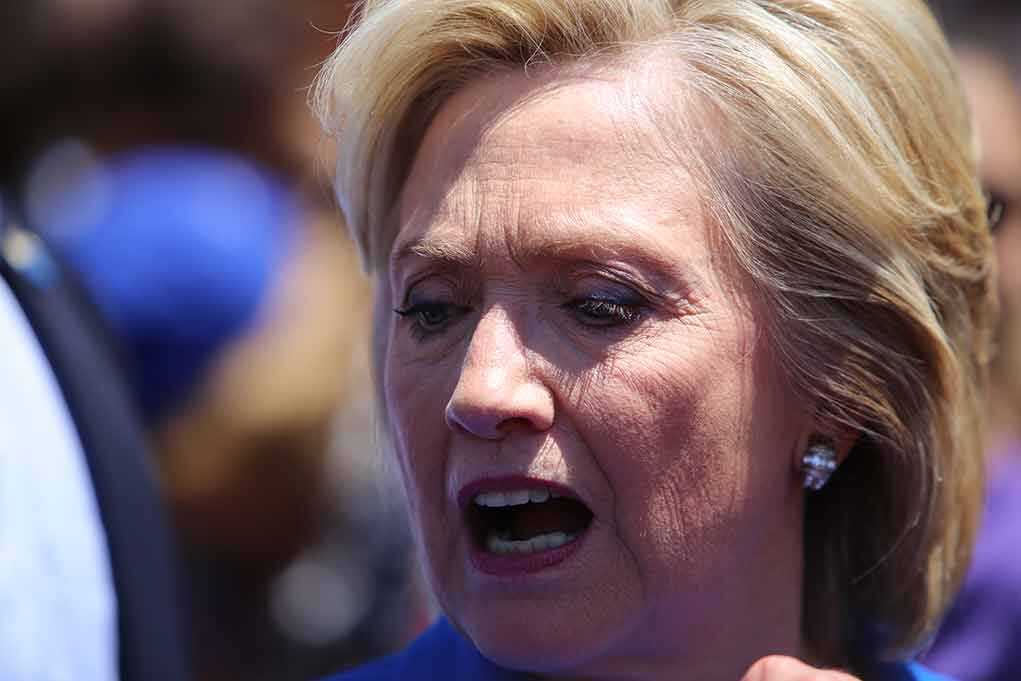
Hillary Clinton urged Democrats to investigate President Trump’s administration, family, supporters, and allies, sweeping millions into a political dragnet on her podcast appearance.
Story Snapshot
- Clinton said a Democratic Congress should investigate Trump’s administration, family, supporters, and allies.
- Her wording did not name targets, evidence, committees, or limits.
- Backers cite Trump’s 2024 New York felony conviction as context, not a blanket warrant.
- Congress has oversight power, but it must be tied to a clear legislative purpose.
Clinton’s Broad Call for Probes, In Her Own Words
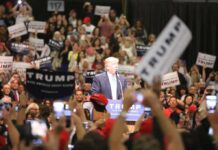
On October 28, 2026, Hillary Clinton said a Democratic Congress would try to “rein him in, hold him accountable, and investigate him, his administration, his family, his supporters and allies.” Reports captured the quote from her podcast appearance and highlighted the breadth of her target list. The phrasing reached far beyond named officials. It lumped in “supporters,” a term that can mean donors, staff, activists, and even everyday voters, without setting limits or citing alleged offenses.
Clinton did not provide names, agencies, committees, or specific acts under review. She did not identify which laws might be at issue or what evidence threshold would apply. That gap matters. Oversight is not a blank check. When Congress uses its subpoena power, it needs a defined purpose tied to making law. Vague, open-ended fishing sweeps can chill speech, punish association, and look like partisan payback rather than a fact-based inquiry.
What Supporters Say Justifies More Scrutiny
Supporters of more scrutiny often point to President Trump’s 2024 New York conviction on 34 felony counts in the hush-money case, arguing that it shows why continued accountability is warranted. Others cite civil findings in New York that rejected parts of his business valuations. Those developments concern Trump and named defendants, not every backer, donor, or staffer in his orbit. A verdict against one person is not a verdict against millions. Due process requires individual facts and charges, not guilt by association.
Past reporting on alleged Russia-related contacts also surfaces in these debates. A contemporary account described a preliminary Federal Bureau of Investigation look at claims around Trump or his associates. That report said investigators did not find evidence at that stage to open a full investigation. Using such early, limited steps to justify a vast new sweep now is weak ground. It underscores why Congress must define topics, evidence, and scope before it points subpoenas at citizens who simply supported a candidate.
Constitutional Oversight Has Rules, Not a Roving Warrant
Congress holds a real oversight power rooted in its duty to write laws. The House’s own history office and the Library of Congress explain that the Constitution does not spell out investigations, but courts recognize them as implied. The key limit is purpose: inquiries must serve legislation, not pure politics or harassment. When oversight touches a sitting president, the separation of powers calls for special care and narrow tailoring to avoid trampling executive functions.
That framework protects all Americans. It guards speech, association, and the right to support a candidate without fear. Calls to “investigate supporters” flip that on its head. If a person broke a law, name it and prove it. If Congress seeks facts to craft policy, state the aim and stick to it. Broad, undefined sweeps risk normalizing lawfare and chilling dissent. Voters who lived through years of “get Trump” politics hear Clinton’s words and see the same playbook, only bigger this time.
What to Watch Next
Watch whether any Democrat in Congress files a formal plan that defines subjects, time frames, records sought, and the legislative need. Look for whether requests target clear official acts or wander into private citizen activity like donations and speech. Monitor whether committees cite specific statutes and keep subpoenas narrow. Those choices will show if this is real oversight or a political sweep that treats millions as suspects first and citizens second.
Sources:
thegatewaypundit.com, townhall.com, therothmanreport.com, thedailystar.net, 1stheadlines.com