A federal plan to build a 250-foot Triumphal Arch near Arlington is moving forward even as officials acknowledge it will harm historic views and face court fights.
Story Highlights
- National Park Service documents outline a path to build a 250-foot arch at Memorial Circle despite adverse effects on historic sites.
- President Trump filed plans and renderings with federal design bodies and secured preliminary site approval from planners.
- Construction planning calls for rapid excavation and long work shifts once final steps clear, while lawsuits continue.
- Critics argue Congress has not authorized the full project and warn of blocked views to Arlington Cemetery and the Lincoln Memorial.
What The Federal Record Now Confirms
National Park Service filings and Interior Department planning show the Triumphal Arch proposal has advanced beyond talk. Officials circulated a draft memorandum of agreement under the historic review process and documented that the structure would create “adverse effects” on multiple historic properties and sightlines. Agencies proposed mitigation steps instead of a denial, signaling the government intends to proceed through established channels at Memorial Circle on the George Washington Memorial Parkway.
President Trump announced in April that his administration “officially filed” the presentation and plans for what he called the “Great Triumphal Arch” with the Commission of Fine Arts. Media published renderings showing the 250-foot design and its ceremonial placement by the Potomac River. That submission placed the project into the federal design pipeline, framing it as a commemorative gateway consistent with the avenue’s heritage purpose, according to planning documents and coverage at the time.
Key Approvals And The Aggressive Build Timeline
The National Capital Planning Commission granted preliminary approval for site and building plans in July, a major step that unlocked more detailed design and compliance reviews. Reporting on internal schedules says excavation could start quickly after final steps, with contractors working up to 20 hours per day and year-round to meet a two-to-three-year window. That pace would compress disruption but also heighten scrutiny over traffic, noise, and view impacts around Arlington National Cemetery.
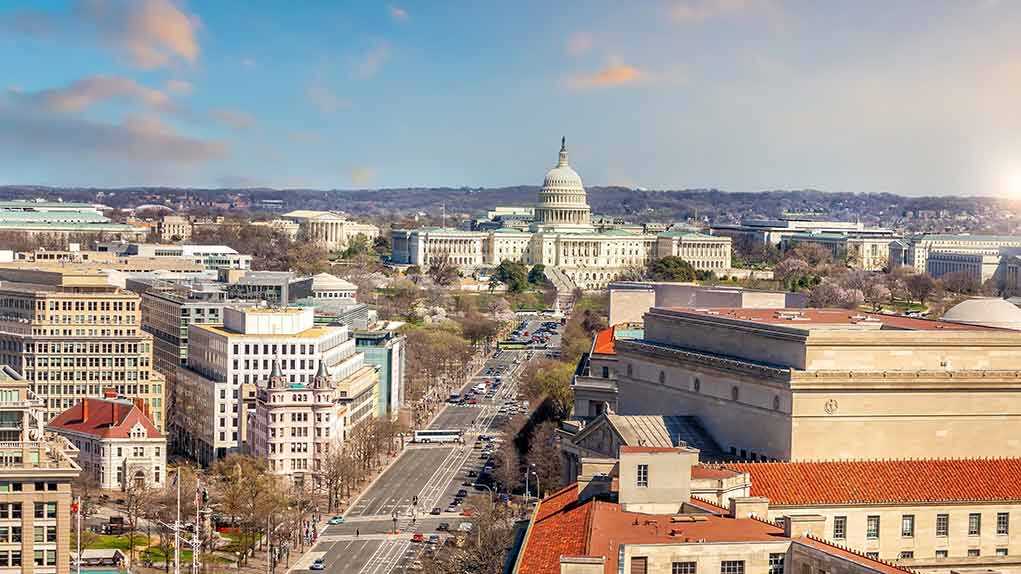
National Park Service materials and subsequent reporting state the arch will affect views that connect the Lincoln Memorial, Arlington House, and the Arlington National Cemetery Historic District. Federal reviewers are documenting those harms while proposing monitoring and interpretation measures. This choice reflects a familiar Washington pattern: proceed with a high-visibility symbol while managing, rather than avoiding, preservation impacts. The record emphasizes commemoration and ceremony for the location, not an operational military facility.
Funding, Authority Questions, And Legal Resistance
Coverage says the administration identified federal dollars through a special initiative and matching grants to seed work, though litigants argue Congress has not authorized a 250-foot structure as described. Veterans, preservation groups, and an architectural historian have challenged the plan, warning that it would block the symbolic view between Arlington Cemetery and the Lincoln Memorial. They contend the project needs explicit congressional approval before ground can be broken at Memorial Circle.
🚨 JUST IN: President Trump reveals at the request of the military and for national security, he is converting the Triumphal Arch in DC to a MILITARY complex/arch that will “house, store, and have the rapid ability to use large numbers of drones, plus Snipers” 🔥 pic.twitter.com/2XbdmyKOzJ
— PerkINsights (@Detinylongfc) September 21, 2026
Opposition also focuses on process. Critics allege that moving toward excavation before final approvals creates a fait accompli that sidelines full debate. The planning commission’s preliminary nod, combined with Interior’s mitigation approach, has fueled that concern. The administration’s backers counter that ceremonial purpose and heritage justify the site and that federal design reviews are the proper venue to resolve technical issues. Courts will decide whether agency steps have met legal standards.
What Conservatives Should Watch Next
Conservatives who value order, tradition, and limited government should track three issues. First, final legal clarity on congressional authorization will shape the project’s durability and shield it from endless suits. Second, traffic and visitor access plans must protect families, veterans, and daily commuters who rely on these routes. Third, mitigation must honor sacred ground and preserve the capital’s core views where possible. These steps can ensure a patriotic monument does not erode the very heritage it seeks to celebrate.
Sources:
theguardian.com, yahoo.com, cnbc.com, abc7ny.com, npr.org, washingtonian.com, usatoday.com, abcnews.com