

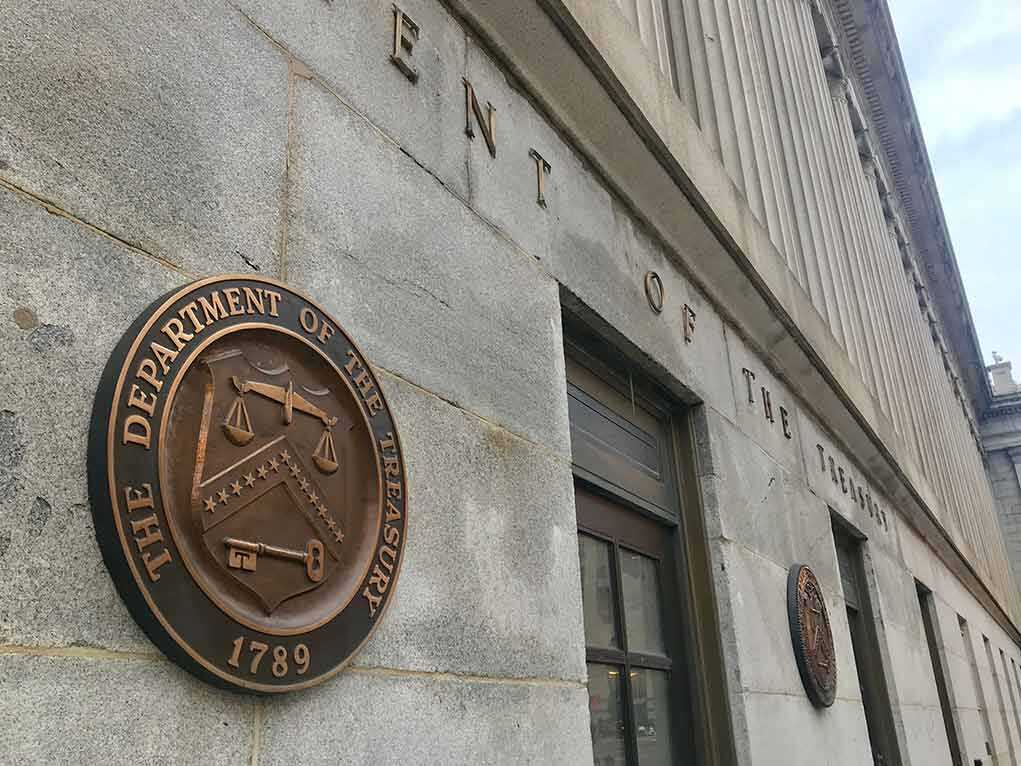
Treasury’s plan to double and even triple long-bond buybacks shows Washington is finally pressing for real market liquidity, but the small size versus our giant debt keeps yields stubborn.
Story Highlights
- Treasury raised long-bond “liquidity support” buybacks to at least $4 billion per operation, with talk of more.
- Scott Bessent said the buybacks could exceed $4 billion; a later $6 billion target followed.
- Yields fell at first, then climbed again as markets demanded more size and fiscal fixes.
- Official reports frame buybacks as a market-functioning tool, not a cure for deficits or inflation.
Treasury Ups Long-End Buybacks To Support Liquidity
U.S. Treasury officials raised the cap for long-end buybacks from $2 billion to at least $4 billion per operation. The change focused on older, less-traded bonds in the 10-year to 30-year sectors to improve trading conditions and ease stress. A Treasury staff report describes these actions as “liquidity support,” letting investors sell off-the-run securities back to the government to smooth market functioning. The same report documents routine use of such tools in 2024 to keep the market orderly.
Scott Bessent, the Treasury Secretary, said the department would increase the size of the buybacks and suggested the operations could be more than $4 billion when needed. Subsequent guidance set a target to purchase up to $6 billion of longer-dated bonds during a scheduled operation. Those comments aimed to signal a stronger backstop at the long end, where trading can thin out and price swings can hurt families through higher mortgage and loan rates.
Early Market Reaction Fades As Structural Worries Dominate
Markets initially cheered the bigger buybacks. Long-term yields dropped after the announcement, reflecting hopes for steadier trading and better liquidity. That relief did not last. By the next sessions, yields rose again as investors judged the size too small against the scale of selling and supply. Reporters and analysts said the move felt like a “drop in the bucket,” given concerns about heavy deficits, large debt, and sticky inflation pressures that drive long-end yields.
Reuters reported that the post-announcement drop in yields faded quickly, with about half of the move retraced by the next day. The Wall Street Journal said yields even reached multiyear highs after investors expected more. These reactions suggest traders want either larger operations or, more importantly, credible progress on spending and inflation. The market’s message is plain: technical tools help the plumbing, but they do not replace fiscal discipline or sound money.
What The Official Record Actually Promises
Treasury’s own documentation frames buybacks as a market-functioning aid, not a promise to lock rates lower. The Office of Debt Management describes regular opportunities for investors to exchange older bonds for cash so trading stays smooth. The 2024 progress report emphasizes liquidity for off-the-run securities and steady auctions. It does not claim these steps can overcome broader forces like deficit trends, global rate moves, or inflation cycles on their own.
Bessent calls the bond buyback "successful" while the 10-year yield sits above 5%.
The math isn't mathing.
He's asking you to look at the "counterfactual."
• Buyback Size: $6B (triple the normal operation)
• 10Y Yield: Breached 5% Tuesday (highest since 2007)
• U.S.…
— Solomon (@iamalijandro) September 16, 2026
Conservatives want less gimmick and more backbone. The liquidity work matters because a healthy Treasury market keeps spreads tight, lowers borrowing costs over time, and protects retirees and savers. But durability comes from tackling the drivers: spending restraint, growth-first policy, and energy security to tame prices. The buybacks show operational skill. The next step is pairing that with a clear path to smaller deficits and a stable dollar so families are not whipsawed by rate spikes.
Sources:
theguardian.com, politico.com, cnbc.com, home.treasury.gov, finance.yahoo.com, reuters.com, wsj.com