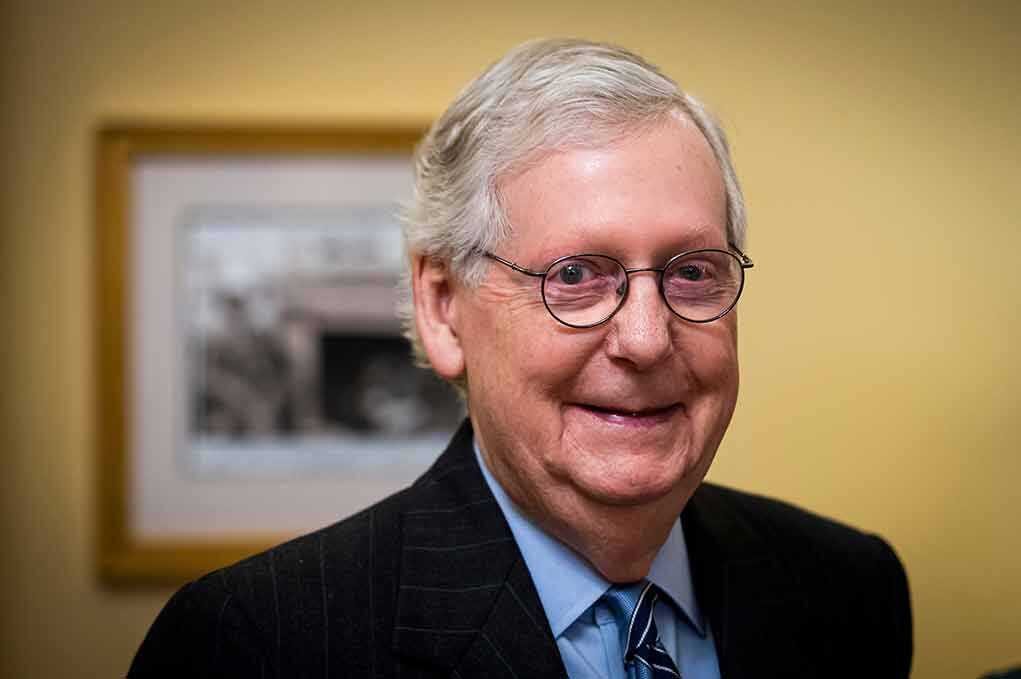
After months away for medical recovery, Sen. Mitch McConnell walked back onto the Senate floor and cast a vote — and the reaction was immediate and loud.
Story Snapshot
- McConnell returned to the Senate for the first time since his June hospitalization.
- He announced he would cast his first vote since the fall that sidelined him.
- Photos and reports placed him at the Capitol on Sept. 14, 2026.
- Coverage stressed his age and health, fueling debate over fitness rules in Congress.
Documented Return To The Senate Floor
NPR reported that Sen. Mitch McConnell returned to the Senate on Monday, Sept. 14, 2026, ending a months-long medical absence after a June hospitalization. ABC News described this as his first appearance on the floor since that episode, confirming that the Kentucky senator resumed in-person Senate activity. A Courier-Journal photo gallery showed McConnell at the Capitol that same day, marking his first public sighting in more than 90 days and underlining the significance of the return.
Before stepping back onto the floor, McConnell stated on social media that he planned to cast his first vote since the June fall and said he looked forward to being with colleagues again. That message offered clarity after weeks of limited scheduling updates from his office. The Hill earlier reported that his doctors advised against a quicker return, which helps explain the gap between the June health event and his September appearance. Time magazine also framed the comeback as the end of a prolonged, closely watched absence.
Timeline: From Hospitalization To Rehab To Home Recovery
The June 14 hospitalization followed a fall that led to a brief loss of consciousness and pneumonia, according to reports that cited physician statements at the time. McConnell later left a rehabilitation center on Aug. 6 to continue an intensive physical therapy plan at home, suggesting a paced recovery designed to support a return to official duties. That timeline aligns with his mid-September reentry to the Senate, when cameras and reporters documented his arrival and his participation on the floor.
While the exact roll-call entry tied to his first vote was not included in the reporting reviewed, multiple outlets said he returned to the floor to vote and resumed Senate business on Sept. 14. Some outlets also highlighted that McConnell, at 84, appeared physically thinner or more frail than before, which does not alter the basic fact of his return but does shape public perceptions around his health and workload going forward. Those details reflect the press emphasis on age and stamina during long recoveries.
The Uproar: Health, Age, And No Clear Fitness Standard
National outlets quickly widened the lens to the broader issue of an aging Congress and the lack of a standard fitness-for-duty process. The New York Times noted the recurring pattern of senior lawmakers managing serious health setbacks while still serving, with no formal mechanism to address extended incapacity beyond voluntary steps. That structure leaves offices to operate with staff support during absences and can delay key votes or negotiations when leaders are out for weeks.
Mitch McConnell Makes Long-Awaited Return to Capitol Hill
After nearly three months out of the public eye, 84-year-old Sen. Mitch McConnell returned to the U.S. Senate on September 14, marking his first public appearance since a fall at his Washington home in June led to… pic.twitter.com/5GK3ZVOs8E
— Mighty News (@Mighty__News) September 16, 2026
For conservative readers, the governance question is simple: voters deserve regular service, clear communication, and accountability. Congress sets rules for everyone else but still lacks a transparent system for its own long medical absences. That mismatch feeds drama and distracts from urgent business like securing the border, cutting spending, lowering energy costs, and defending constitutional rights. McConnell’s return ends one absence, but the institution’s gap on fitness standards remains a live issue for both parties.
What Matters Next For Senate Work
Senate leaders now face a familiar test: move core business while members manage health recoveries. During McConnell’s absence, coverage documented missed votes that can ripple across scheduling and negotiating windows. His presence on the floor helps restore Republican capacity in close calls, committee work, and day-to-day engagement. It also puts pressure on leadership to balance compassion for health challenges with the duty to keep votes moving on border enforcement, spending restraint, and national security priorities.
McConnell’s office has emphasized a continued recovery plan, and reporting confirms he cleared major medical steps before returning. The practical question is scope: how quickly he resumes a full workload and how leaders structure the calendar to maximize floor time. For constituents and taxpayers, steady attendance and decisive action remain the bottom line. Transparent communication about member availability can reduce speculation and keep the focus on results in the chamber.
Sources:
redstate.com, npr.org, 6abc.com, courier-journal.com, nypost.com, nytimes.com, abcnews.com, time.com