President Trump said he likes Flock license-plate cameras because they help police catch criminals, sharpening a national fight over safety and privacy.
Story Highlights
- Trump voiced support for Flock cameras, citing law-enforcement benefits.
- Earlier remarks showed a review was underway with pros and cons considered.
- Police and vendor claims tie the tech to many solved cases and recoveries.
- Critics warn about privacy risks and possible constitutional concerns.
Trump Signals Support Tied To Crime-Fighting Results
President Trump told reporters on September 13 that he likes Flock cameras because they help law enforcement. He said, “I sort of like them” and linked the tools to catching criminals, which echoes a public-safety frame many officers embrace. Weeks earlier, Trump said the administration was studying the issue and weighing pros and cons, signaling an active review before his latest comments. The shift suggests priority on crime reduction while continuing to weigh privacy rules and oversight.
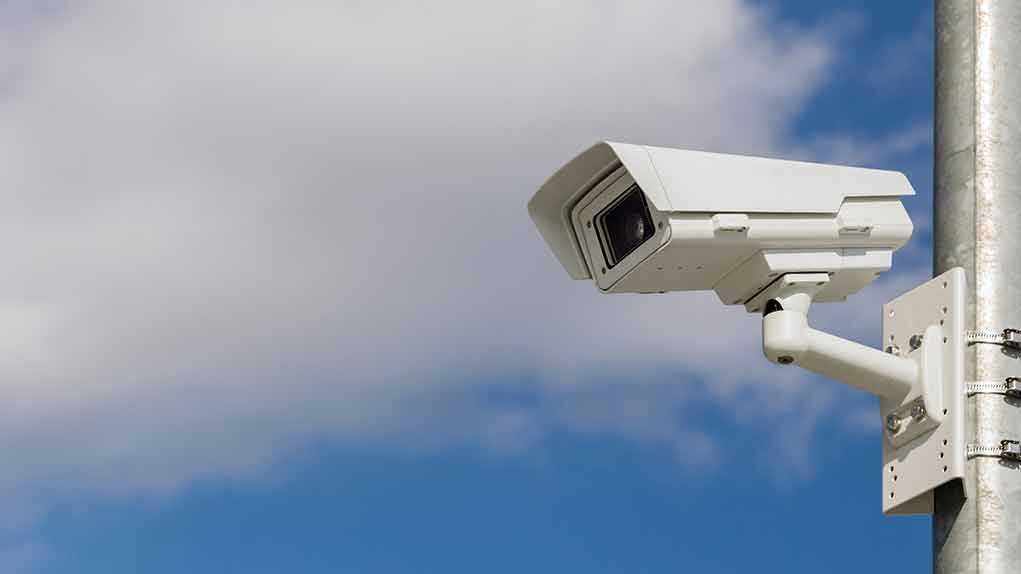
Flock cameras scan license plates on public roads and alert police to vehicles tied to crimes. Supporters say the system speeds arrests, recovers stolen cars, and finds missing people. Public television reporting cited police-facing claims that these cameras now aid a large share of solved cases nationwide. Trump’s remarks track with that message: give officers tools that work, then hold users to clear rules. That balance reflects a law-and-order approach with practical guardrails.
Evidence And Limits Of The Current Record
Trump’s public comments are brief and do not include case studies or formal data from the White House. Coverage shows his stance is based on law-enforcement utility, not a published policy memo. He earlier said the issue was still being studied, which underlines that a full federal framework has not been released yet. This places weight on cited reporting and police claims rather than a completed federal review. The administration’s next step would be setting standards and accountability.
Separate reporting indicates federal interest at the agency level. One report described a United States Park Police funding request listing Flock cameras as a “nonnegotiable” item, which signals operational appetite for the technology inside government planning. While not a final order, that language suggests agencies see field value in the system for patrol and investigations. A formal procurement or policy, if adopted, would likely include data retention limits and audit rules to prevent misuse.
Supporters Emphasize Results; Critics Warn On Privacy
Police advocates argue the cameras shorten response time and help identify suspect vehicles, which can save lives. Reporting has quoted strong claims about the share of cases where Flock plays a role, reflecting growing adoption across cities and counties. Trump’s message fits that view. He backs tools that let officers act fast against car theft rings, violent felons, and child abductions. He also hinted at balance, noting the earlier review and the need to consider pros and cons before a broad rollout.
Opponents warn that mass plate scanning can build a record of anyone’s movements. They say that scale changes the privacy equation, even on public roads. Public television coverage captured those critics who fear a nationwide surveillance network and urge tighter constitutional limits or bans. These arguments have led some local leaders to pause or cancel deployments. The clash is clear: proven police utility on one side and strong privacy concerns on the other, demanding careful policy choices.
Path Forward: Guardrails Without Handcuffs On Cops
Trump’s law-and-order stance can coexist with firm civil-liberty protections. A common-sense path would set strict access controls, require clear investigative links, and enforce short data retention. Regular audits and quick penalties for misuse would protect citizens and honest officers alike. That approach would keep the focus on criminals, not commuters. Reporting shows the technology’s reach is already wide, so rules that follow the Constitution and back the badge are both needed and possible.
The border is open, we do trade with Mexico every day
Donald Trump raped a bunch of little girls,
Crime is actually up right now and there's no such thing as free speech, ask colbert and kimmel
what freedom? We have flock cameras and concentration camps
— Jay B (@llama615) September 14, 2026
Next steps from the administration matter. A written policy from the Department of Justice or the Department of Homeland Security could standardize retention, sharing, and audit practices. Congress can also set national baselines. Conservatives want safe streets, less bureaucracy, and respect for the Bill of Rights. Trump’s message stakes a clear claim: use tools that stop criminals, but write rules that stop snooping. The country can and should demand both safety and freedom.
Sources:
thegatewaypundit.com, usatoday.com, nypost.com, pbs.org