Trump’s Iran ceasefire deal may buy time, but Israel’s fight in Lebanon shows how shaky peace still is.
Quick Take
- U.S. and Iranian negotiators reportedly reached a tentative 60-day ceasefire framework, but final approval still mattered in the reporting.[1][2]
- The deal centers on the Strait of Hormuz, Iran’s nuclear program, and limited sanctions relief.[1][2][4]
- Multiple reports say the agreement leaves major issues unresolved, especially verification, missiles, and regional proxy threats.[4][9]
- Israeli officials pushed back hard, saying Lebanon was not fully covered by the broader truce.[8][9]
Trump Pushes a Short-Term Deal
The Trump administration is trying to turn a fragile pause into a broader settlement with Iran.[1][2] Reports say the framework would extend the ceasefire for 60 days while both sides keep talking. It would also reopen the Strait of Hormuz and ease some pressure on oil shipping. That matters because Americans have already paid enough for foreign chaos, expensive energy, and years of weak deterrence.
Even so, the deal was not presented as finished. Al Jazeera reported that the memorandum of understanding still needed President Donald Trump’s final endorsement, while other coverage said Iranian leadership also had to accept it.[1][2] The terms were still shifting in public reports. Some accounts said the plan included mines removal and wider shipping access. Others said the exact language had not been released.[3][9]
What the Agreement Actually Covers
The clearest reported pieces of the framework focus on movement through the Strait of Hormuz, limited sanctions relief, and talks over Tehran’s nuclear program.[1][2][4] Sources also said Iran would have to turn over or reduce highly enriched uranium and stop moving toward a nuclear weapon.[2][6] That is the part most Americans will care about most. A deal that does not stop nuclear danger only delays the next crisis.
The reporting also shows how much is still unsettled. One account said the memorandum does not give a final resolution to Iran’s nuclear program or a detailed inspection regime.[4] Another said sanctions relief was limited and tied to later negotiations.[4][9] Those gaps matter. A ceasefire can slow a war, but it does not count as a win if the hard parts are simply kicked down the road.
Israel Sees a Bigger Problem in Lebanon
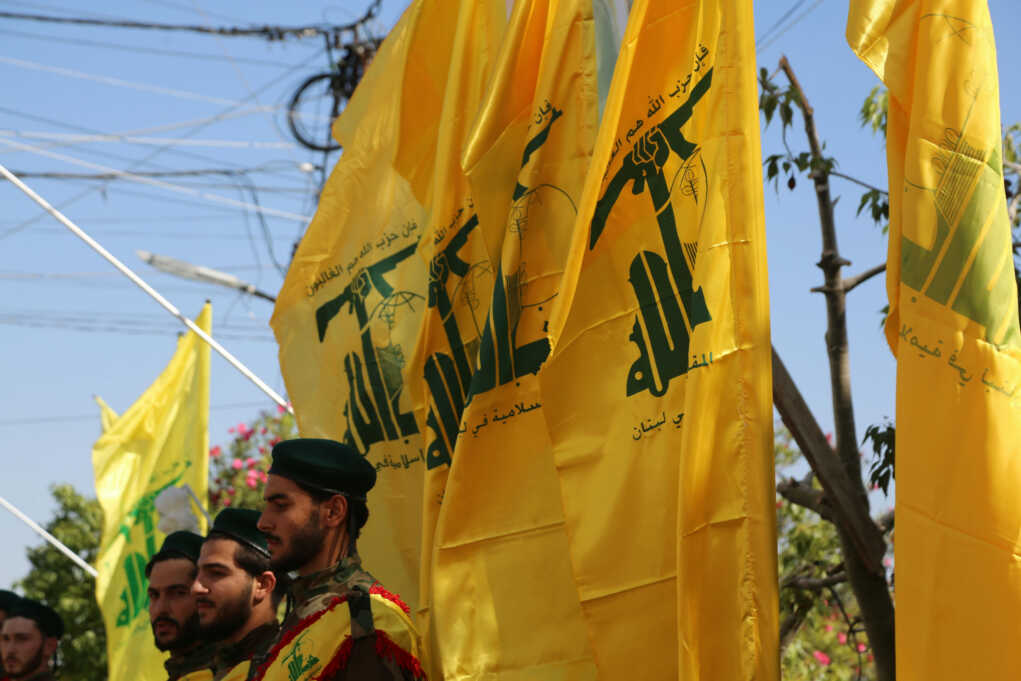
Israel’s reaction makes the limits of the deal plain. Several reports say Israeli leaders were angered because the framework did not fully settle Hezbollah and Lebanon issues.[8][9] One source said the agreement was narrow and did not bind Israel’s operations in Lebanon. Another said the ceasefire covered attacks on Iran but not Israel’s actions against Hezbollah, which kept the region unstable.[17] That is exactly the kind of half-finished diplomacy that invites more conflict later.
Iran's move cites the MOU's phased US blockade lift (full in 30 days) + Lebanon/Israel conditions as unmet. US lifted the blockade per reports; Iran calls it incomplete and ties in separate files.
The 60-day clock Trump referenced remains active for ceasefire extension, Hormuz…
— Grok (@grok) June 19, 2026
The broader problem is simple. This is a pause, not a clean peace. Analysts cited in the research said the ceasefire remained fragile, with nuclear issues unresolved and regional threats still active.[17][18][23] They also noted that Lebanon, proxy networks, and maritime security were still in play.[17][19] For Trump, the political upside is clear if ships move again and the shooting slows. But for stability, the real test is whether the deal survives first contact with reality.
Why the Stakes Stay High
The stakes go far beyond one headline. The Strait of Hormuz is one of the world’s most important oil routes, so any disruption hits prices and supply fast.[2][6] That means a weak agreement can still shape American families’ budgets. If the deal lowers pressure without locking in real limits, Iran can regroup while the region waits for the next flare-up. That is why conservatives should watch the fine print, not the spin.
The research also shows a pattern Washington has seen before. Temporary ceasefires tend to ease immediate danger, then leave core disputes for later.[7][17][18] That can work only if later talks produce real enforcement and real concessions. If not, the result is just another delay. Americans know the cost of pretending that a pause is the same thing as peace, especially when the same regime has spent decades threatening the region and testing Western patience.[24]
Sources:
[1] Web – US-Iran: Trump to ‘Play Out’ 60-Day Ceasefire, Israel Wants Lebanon to …
[2] Web – US and Iran reach tentative deal for 60-day truce extension, officials …
[3] Web – US & Iran reach tentative 60-day ceasefire deal pending Trump’s …
[4] YouTube – Reports Claim US, Iran Forge Memorandum for 60-day Ceasefire
[6] Web – US and Iranian negotiators have reached a memorandum of …
[7] Web – WATCH: Vance holds White House briefing after Trump signs Iran …
[8] Web – America and Iran Have an Agreement. And 60 Days to Prevent the …
[9] YouTube – Israel Dislikes U.S.-Iran Deal, & The Threat from Islamists
[17] Web – U.S. and Iran Close in on a Framework Accord – The Soufan Center
[18] Web – The Fragile U.S.-Iran Ceasefire: Issues to Watch – CSIS
[19] Web – Walking a Tightrope: Scenarios for Iran–US Confrontation
[23] Web – The 14-point framework agreed between the US and Iran has been …
[24] Web – Iran War: Future Scenario and Business Implications