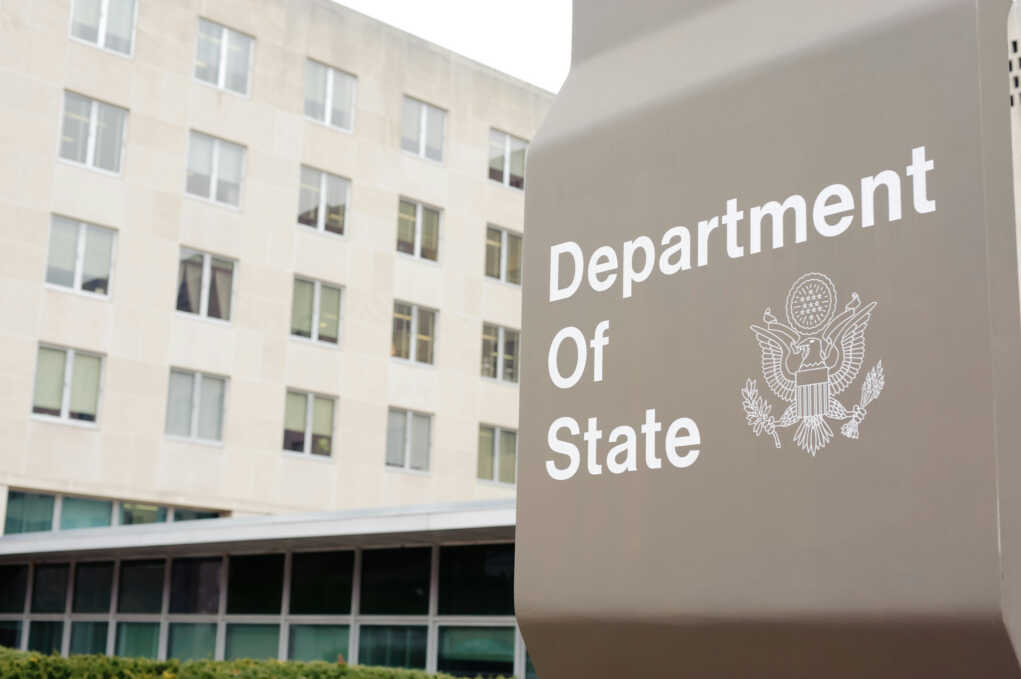
A State Department probe into Iran war critic Trita Parsi has sparked a fierce fight over national security, free speech, and who we allow to live in the United States.
Story Snapshot
- The State Department is investigating Trita Parsi, a leading critic of U.S. policy on Iran, and has weighed revoking his green card.
- A U.S. official now says there are no current plans to strip his status, but keeps the door open for future action.
- The case highlights long‑running concerns about Iranian influence operations and foreign‑backed lobbying in Washington.
- Conservatives face a tough balance: protect national security and stop foreign influence while avoiding punishments for protected speech.
Who Is Trita Parsi, And Why His Case Matters
Trita Parsi is an Iranian‑born, Swedish‑raised political analyst who has lived in the United States for more than twenty‑five years and holds a permanent resident card.[3] He co‑founded the Quincy Institute for Responsible Statecraft and earlier led the National Iranian American Council, both known for opposing U.S. and Israeli military action against Iran.[2] Supporters see him as a peace advocate. Critics view his record as too close to Tehran’s interests and part of a larger pattern of foreign influence in Washington.[2]
Recent reporting from The Free Press, based on unnamed officials and internal documents, states that the United States Department of State has launched an investigation into Parsi and is weighing whether to revoke his permanent resident status and possibly deport him.[3] The article describes him as one of Washington’s most quoted opponents of war with Iran and says some inside the administration argue he is not just another television pundit but a figure whose work may help United States adversaries.[3] That framing has fueled sharp debate over whether this is about law or politics.
Inside The State Department Probe And What Officials Are Saying
According to coverage summarizing The Free Press report, officials tied the broader review to a push by Secretary of State Marco Rubio to counter Iranian influence networks on American soil.[2] One Trump administration official quoted in that reporting said the government is reviewing people whose work is seen as helping United States adversaries and added, “Anyone who seeks to undermine the US, we’re taking a hard look at.”[2] That language reflects a more aggressive posture toward foreign‑linked advocacy that many conservative voters have long demanded after years of naïve globalism.
At the same time, a different signal came out once the story blew up. A State Department official told Anadolu Agency that the department has “no plans to revoke the green card of Mr. Parsi at this time,” directly addressing the fear that a decision had already been made.[4] The same official quickly added that no foreign national has a guaranteed right to stay in the country and that the department will “unapologetically terminate the legal status of any foreign national who participates in activities that undermine America’s national security.”[4] That statement keeps the legal door wide open and shows the investigation remains a live pressure point.
Free Speech, Foreign Influence, And The Line Conservatives Must Draw
Civil‑liberties groups and left‑leaning outlets have rushed to frame the case as an attack on free speech, warning that going after a well‑known war critic could chill debate on foreign policy. They argue that the reporting so far centers on Parsi’s views and media profile, not on any proven violation of immigration or criminal law. They claim that deportation based mainly on policy disagreement would turn immigration law into a political weapon and would mirror tactics used by authoritarian regimes that silence dissidents instead of arguing with them.
For conservatives, the issue looks more complex than the talking points from either side. On one hand, Americans have seen real damage from foreign influence, from Chinese espionage to Russian propaganda and Iranian proxy networks.[2] Voters who support strong borders and tough vetting want the administration to use every lawful tool to stop foreign‑backed operatives from shaping United States policy. On the other hand, the same voters care deeply about the First Amendment and do not want the federal government punishing people simply for speaking against a war, even if they disagree with every word.
What This Fight Reveals About Security, Process, And The Trump Doctrine
The Parsi investigation fits a broader shift in how the Trump administration handles foreign nationals who work in the policy world. Reports say the State Department and the White House are reviewing people viewed as helping enemies of the United States, not just traditional spies or agents, but also advocates and lobbyists tied to hostile regimes.[2] This reflects a hard‑line doctrine: if you come to America and use your position to advance the goals of a foreign adversary, your legal status is a privilege that can be taken away, not a right set in stone.[2]
The Trump administration has opened an investigation into prominent Iran war critic and frequent BT Live guest Trita Parsi (@tparsi), according to a report in The Free Press, citing US officials and reviewed documents.
Parsi, co-founder and executive vice president of the… pic.twitter.com/qh02fk1xhT
— BreakThrough News (@BTnewsroom) June 12, 2026
Yet the public record around Parsi’s case remains thin. The Free Press cites unnamed officials and documents but does not describe a specific legal theory or outline a clear immigration charge.[3] The State Department has declined to discuss his status in detail, beyond the short on‑record comment that there are no current plans to revoke his green card.[4] That leaves voters with a basic truth: the administration is signaling toughness on foreign influence, but it must still show the evidence and follow the law if it wants to convince the country this is about security, not silencing an opponent in the media wars.
Sources:
[2] Web – US probes NIAC founder Trita Parsi for possible deportation
[3] Web – US administration investigating Iran war critic Trita Parsi, says …
[4] Web – The U.S. State Department has launched an investigation into Trita …